2026 Corporate Tax Changes: Small Business Strategies to Save 12%

Anúncios
To navigate the 2026 corporate tax changes effectively, small businesses in the US should focus on optimizing new deductions, leveraging updated tax credits, and ensuring robust compliance to realize substantial annual savings.
The landscape of corporate taxation is ever-evolving, and for small businesses in the United States, the upcoming 2026 corporate tax code changes present both challenges and unparalleled opportunities. Understanding these shifts early and implementing proactive strategies can mean the difference between significant financial strain and substantial annual savings, potentially up to 12% of your tax liability. This article will guide you through the essential preparations your business needs to undertake.
Anúncios
Understanding the 2026 Corporate Tax Landscape
The year 2026 marks a pivotal moment for corporate taxation in the United States. Proposed legislative adjustments aim to reshape how businesses, particularly small enterprises, calculate and remit their taxes. These changes stem from a combination of economic policy shifts, expiring provisions, and a push towards a more streamlined, albeit complex, tax system. For small business owners, staying informed is not just good practice; it’s a financial imperative.
Many of these modifications are designed to stimulate specific economic behaviors or to rebalance the tax burden across different business sizes. While some changes might introduce new complexities, others could open doors to previously unavailable deductions or credits. The key lies in early identification and strategic adaptation.
Anúncios
Key Legislative Drivers
- Expiring Provisions: Several tax provisions enacted in previous years are set to expire, leading to automatic changes unless new legislation is passed.
- Economic Stimulus: New policies may be introduced to encourage investment, job creation, or specific industry growth.
- Revenue Generation: The government’s need for revenue can drive changes that impact corporate tax rates and allowable deductions.
Understanding the underlying reasons for these changes helps in anticipating their impact. It’s not just about compliance, but about leveraging the new rules to your advantage. Small businesses, often operating with tighter margins, stand to benefit significantly from a proactive approach to these impending tax shifts.
In essence, the 2026 tax environment demands a fresh look at your financial planning. Businesses that delay their preparation risk missing out on crucial opportunities for savings and may find themselves scrambling to comply with new regulations. Proactive engagement with these changes is paramount for financial health.
Strategy 1: Optimizing New Deductions and Write-offs
One of the most direct routes to tax savings under the 2026 corporate tax changes involves a thorough review and optimization of new and altered deductions and write-offs. Small businesses often overlook the full spectrum of available deductions, leading to higher tax liabilities. The upcoming changes may introduce new categories or modify existing ones, making it essential to re-evaluate your expenditure classifications.
For instance, there might be new incentives for specific types of business investments, such as environmentally friendly technologies or employee training programs. Capitalizing on these can directly reduce your taxable income. It’s not just about what you earn, but how much of that earning is subject to tax after deductions.
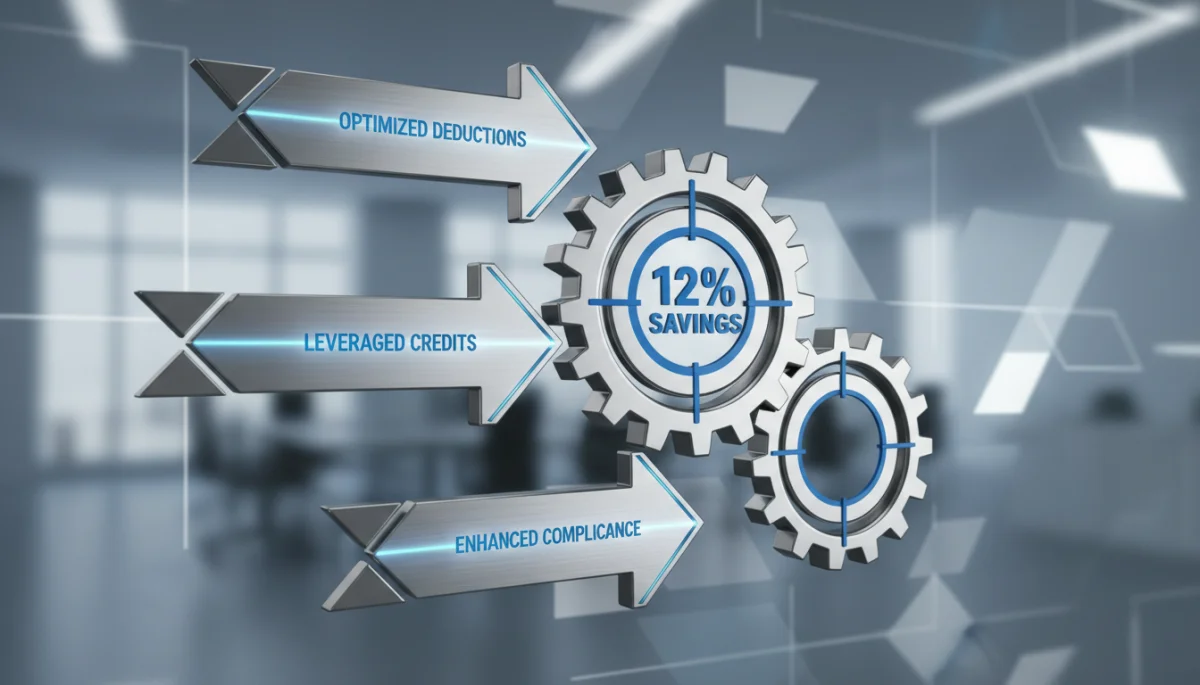
The details of these new deductions will be critical. Businesses should consult with tax professionals to understand the nuances of each change, ensuring that they meet all eligibility criteria and maintain meticulous records. This level of detail-oriented planning will be crucial for maximizing your tax benefits.
Identifying Eligible Expenses
- Operational Costs: Keep a close eye on changes to deductions for rent, utilities, and office supplies.
- Employee Benefits: New provisions might offer enhanced deductions for health insurance, retirement plans, or childcare support.
- Technology Upgrades: Investments in new software, hardware, or cybersecurity measures could see increased deductibility.
Beyond new deductions, some existing write-offs may be modified. For example, depreciation schedules for certain assets could be accelerated or extended, impacting your annual deductions. Understanding these modifications will enable you to plan your capital expenditures more strategically. The goal is to align your business spending with the most tax-advantageous categories.
Ultimately, optimizing new deductions requires a systematic approach. Businesses should conduct an internal audit of all expenses against the updated tax code. This proactive step can uncover significant savings that might otherwise go unnoticed, directly contributing to the goal of saving 12% annually.
Strategy 2: Leveraging Updated Tax Credits for Small Businesses
Beyond deductions, tax credits offer an even more powerful way to reduce your tax liability, as they directly reduce the amount of tax you owe, dollar for dollar. The 2026 corporate tax changes are expected to introduce new credits or modify existing ones, specifically targeting small businesses to encourage growth, innovation, and social responsibility. Identifying and leveraging these updated tax credits is a cornerstone of effective tax planning.
For example, there might be enhanced credits for research and development (R&D) activities, hiring specific demographics, or investing in renewable energy. These credits are designed to incentivize behaviors that align with broader economic or social goals. Small businesses that can align their operations with these incentivized activities stand to gain significant financial advantages.
It’s important to differentiate between deductions and credits. While deductions reduce your taxable income, credits reduce your actual tax bill. This makes credits particularly valuable, especially for businesses with higher taxable incomes. Understanding the eligibility requirements and application processes for each credit will be crucial.
Potential Credit Categories
- R&D Credits: Enhanced incentives for businesses engaged in innovative product or process development.
- Hiring Credits: Credits for employing veterans, individuals from underserved communities, or those participating in apprenticeship programs.
- Green Initiatives: Tax credits for adopting sustainable practices, energy-efficient equipment, or reducing carbon footprint.
The application process for tax credits can sometimes be more complex than for deductions, often requiring detailed documentation and specific certifications. Therefore, engaging with a tax professional who specializes in small business credits is highly recommended. They can help navigate the complexities and ensure your business claims all eligible credits.
By actively seeking out and applying for these updated tax credits, small businesses can significantly reduce their overall tax burden. This proactive approach to leveraging credits is a vital component of achieving the 12% annual savings target, transforming potential liabilities into tangible financial gains.
Strategy 3: Ensuring Robust Compliance and Proactive Planning
While optimizing deductions and leveraging credits are crucial for saving money, ensuring robust compliance and engaging in proactive planning are equally important for long-term financial stability. The 2026 corporate tax changes will likely bring new reporting requirements, stricter enforcement, and potentially higher penalties for non-compliance. A strong compliance framework not only avoids penalties but also builds a foundation for efficient tax management.
Proactive planning goes beyond just filing on time; it involves continuous monitoring of legislative developments, regular financial reviews, and strategic adjustments to business operations to align with tax advantages. This forward-looking approach allows small businesses to anticipate changes rather than react to them, making informed decisions that positively impact their bottom line.
Establishing clear internal processes for financial record-keeping, documentation, and reporting is fundamental. The more organized and transparent your financial data, the easier it will be to navigate audits, claim deductions, and apply for credits. Investing in reliable accounting software and potentially outsourcing some financial functions can significantly enhance compliance.
Pillars of Proactive Planning
- Continuous Monitoring: Stay updated on proposed and enacted tax legislation through reliable sources.
- Regular Financial Reviews: Conduct quarterly or semi-annual reviews of your financial health and tax position.
- Professional Guidance: Partner with a knowledgeable tax advisor or CPA who specializes in small business taxation.
Furthermore, proactive planning includes considering the long-term implications of business decisions on your tax situation. For instance, expansion plans, hiring decisions, or significant capital investments should always be evaluated through a tax lens. Understanding how these actions will interact with the 2026 tax code can help optimize their financial impact.
In essence, robust compliance and proactive planning are not merely about avoiding problems; they are about creating a resilient and efficient financial structure. By embedding these practices into your business operations, you create a sustainable pathway to maximizing tax savings and ensuring long-term financial health, ultimately contributing to the goal of saving 12% annually.
The Impact of Digitalization on Tax Compliance
The digital transformation continues to reshape how businesses operate, and tax compliance is no exception. With the 2026 corporate tax changes, small businesses will find that digitalization plays an increasingly critical role in ensuring accuracy, efficiency, and adherence to new regulations. Embracing digital tools can significantly streamline tax preparation and reporting processes, reducing the likelihood of errors and penalties.
Modern accounting software, cloud-based financial management systems, and specialized tax compliance platforms offer powerful functionalities. These tools can automate data entry, categorize expenses, track income, and even generate preliminary tax reports. Such automation frees up valuable time for small business owners, allowing them to focus on core operations rather than manual data processing.
Moreover, digital records are often easier to organize, store, and retrieve, which is invaluable during tax audits. The ability to quickly provide accurate documentation to tax authorities can expedite the process and demonstrate a commitment to compliance. As tax agencies themselves increasingly rely on digital submissions and data analysis, businesses that are digitally prepared will have a distinct advantage.
Digital Tools for Enhanced Compliance
- Cloud Accounting Software: Platforms like QuickBooks Online or Xero for real-time financial tracking.
- Expense Management Apps: Tools that capture receipts and categorize expenses automatically.
- Payroll Services: Integrated solutions that handle payroll taxes and reporting efficiently.
The move towards digitalization also supports better data analysis. By having all financial information centralized and easily accessible, small businesses can gain deeper insights into their spending patterns, revenue streams, and overall financial health. This analytical capability is crucial for identifying areas where deductions can be optimized or where new tax credits might apply.
Ultimately, investing in digitalization for tax compliance is an investment in your business’s future. It not only simplifies the complex task of navigating 2026 corporate tax changes but also enhances accuracy, reduces operational costs, and provides a solid foundation for strategic financial decision-making. Embracing these technological advancements is a pragmatic step towards achieving significant annual tax savings.
Forecasting and Budgeting Under New Tax Rules
Effective financial management for small businesses hinges on accurate forecasting and budgeting, especially when facing significant regulatory shifts like the 2026 corporate tax changes. These upcoming modifications necessitate a re-evaluation of current financial models to ensure that future projections accurately reflect the new tax environment. Without precise forecasting, businesses risk misallocating resources or underestimating their tax liabilities.
The process begins with understanding how the proposed tax rates, deductions, and credits will specifically impact your business’s revenue and expenses. This isn’t a one-time exercise but an ongoing process that adapts as new information becomes available. Developing multiple financial scenarios, including best-case, worst-case, and most-likely outcomes, can provide a comprehensive view of potential impacts.
Budgeting under the new rules also involves adjusting operational spending to maximize tax advantages. For example, if certain capital expenditures receive enhanced depreciation benefits, it might be strategic to accelerate those investments. Conversely, if some expenses become less deductible, businesses might need to find alternative ways to reduce costs or reallocate budgets.
Essential Forecasting Steps
- Scenario Planning: Model different tax outcomes based on various legislative interpretations.
- Cash Flow Analysis: Project how changes in tax payments will affect your monthly and annual cash flow.
- Profitability Assessment: Re-evaluate product or service pricing strategies in light of new tax costs or savings.
Leveraging financial planning software can greatly assist in this process. These tools allow for dynamic adjustments to variables, making it easier to see the immediate and long-term effects of tax changes on your financial statements. They can also help in identifying potential tax liabilities or overpayments well in advance, allowing for timely adjustments.
In conclusion, accurate forecasting and diligent budgeting are indispensable for small businesses navigating the 2026 corporate tax changes. By proactively integrating these new rules into your financial planning, you can make more informed decisions, mitigate risks, and position your business to not only comply but also thrive, ultimately contributing to that crucial 12% annual savings goal.
Seeking Expert Tax Guidance and Continuous Education
Given the complexity and potential impact of the 2026 corporate tax changes, seeking expert tax guidance and committing to continuous education are perhaps the most crucial strategies for small businesses. While internal efforts are important, the intricacies of tax law often require specialized knowledge that only experienced professionals possess. Partnering with a qualified tax advisor or Certified Public Accountant (CPA) can provide invaluable support and ensure your business remains compliant and optimized.
A tax professional can offer tailored advice based on your specific business structure, industry, and financial situation. They can help interpret the new regulations, identify all eligible deductions and credits, and assist in structuring your business operations in the most tax-efficient manner. Their expertise can prevent costly mistakes and uncover opportunities for savings that might otherwise be missed.
Beyond professional advice, continuous education for business owners and their financial teams is essential. Tax laws are not static; they evolve, and staying informed about these ongoing changes ensures that your business can adapt quickly. This can involve attending webinars, subscribing to tax news updates, or participating in workshops focused on small business taxation.
Benefits of Professional Tax Support
- Interpretation of Complex Laws: Experts can decipher the nuanced language of new tax legislation.
- Strategic Tax Planning: They can help develop long-term strategies for tax efficiency and growth.
- Audit Representation: In case of an audit, a professional can represent your business and navigate the process.
Moreover, a good tax advisor acts as a strategic partner, offering insights that go beyond mere compliance. They can help you understand the financial implications of major business decisions, such as expansion, mergers, or asset acquisitions, in the context of the evolving tax code. This proactive partnership is key to maximizing savings and minimizing risks.
In summary, while the 2026 corporate tax changes might seem daunting, small businesses do not have to navigate them alone. By investing in expert tax guidance and fostering a culture of continuous learning, you empower your business to confidently face the future tax landscape, ensuring robust compliance, maximizing every possible saving, and ultimately achieving the desired 12% annual tax reduction.
| Key Strategy | Brief Description |
|---|---|
| Optimize Deductions | Identify and leverage new or modified business expense write-offs under the 2026 tax code. |
| Leverage Tax Credits | Capitalize on updated tax credits for R&D, hiring, and green initiatives to reduce tax liability. |
| Ensure Compliance | Implement robust record-keeping and proactive planning to navigate new reporting requirements. |
| Seek Expert Guidance | Consult with tax professionals for tailored advice and continuous education on evolving tax laws. |
Frequently Asked Questions About 2026 Corporate Tax Changes
The 2026 corporate tax changes are primarily driven by expiring tax provisions, new economic stimulus policies, and governmental efforts to generate revenue. These factors collectively reshape the tax landscape for businesses.
Small businesses can identify new eligible deductions by closely monitoring IRS publications, consulting with tax professionals, and conducting regular internal audits of expenses against the updated tax code. Focus on operational costs, employee benefits, and technology investments.
A tax deduction reduces your taxable income, thereby lowering the amount of tax you owe. A tax credit, conversely, directly reduces the actual amount of tax you owe, dollar for dollar, making it generally more impactful.
Proactive planning is crucial because it allows businesses to anticipate new reporting requirements, avoid penalties, and strategically align operations with tax advantages. It ensures continuous monitoring and timely adjustments to financial strategies.
Digitalization assists by streamlining tax preparation through automated data entry, expense categorization, and report generation. Cloud-based accounting software and expense management apps enhance accuracy, efficiency, and ease of record retrieval during audits.
Conclusion
The impending 2026 corporate tax changes represent a significant juncture for small businesses across the United States. While the prospect of new regulations can seem daunting, viewing these shifts as opportunities for strategic financial optimization is key. By diligently implementing the three core strategies outlined—optimizing new deductions, leveraging updated tax credits, and ensuring robust compliance through proactive planning and digitalization—small businesses can not only navigate the complexities but also realize substantial annual savings, potentially up to 12%. Engaging with knowledgeable tax professionals and committing to continuous education will further solidify your business’s financial resilience and ensure long-term success in this evolving tax landscape.
