2026 Economic Outlook: 5 Solutions for 10% Business Growth
Anúncios
Businesses in 2026 must proactively implement five key strategies, including digital transformation and agile operations, to navigate market shifts effectively and achieve sustained 10% growth.
As we approach the mid-decade mark, 2026 Economic Solutions are paramount for businesses aiming not just to survive but to flourish. The economic landscape continues to evolve rapidly, presenting both formidable challenges and unprecedented opportunities. Understanding these shifts and proactively implementing strategic solutions will be crucial for any enterprise seeking to secure significant growth in the coming year.
Anúncios
Navigating the Evolving Economic Landscape of 2026
The global economy in 2026 is characterized by dynamic shifts, including technological advancements, evolving consumer behaviors, and geopolitical uncertainties. Businesses must develop a keen understanding of these macro-economic forces to anticipate and respond effectively. This requires a proactive stance, moving beyond traditional reactive strategies.
Understanding the nuances of market shifts is the first step towards building a resilient and growth-oriented business. Inflationary pressures, interest rate fluctuations, and supply chain vulnerabilities continue to shape operational costs and consumer purchasing power. Simultaneously, emerging markets and new technologies are opening doors to innovative business models and revenue streams.
Anúncios
Key Economic Drivers
Several factors will significantly influence the 2026 economic environment, necessitating adaptable business strategies. These drivers include:
- Technological Disruption: Rapid advancements in AI, automation, and quantum computing are redefining industries.
- Geopolitical Realignment: Shifting global power dynamics can impact trade, investment, and market access.
- Climate Change Impacts: Environmental concerns are driving regulatory changes and consumer preferences towards sustainability.
- Demographic Shifts: Aging populations in some regions and youth bulges in others create diverse labor market and consumer demands.
Businesses that can effectively analyze and integrate these drivers into their strategic planning will be better positioned to identify opportunities and mitigate risks. This analytical approach forms the bedrock of any successful growth initiative in 2026.
In conclusion, the 2026 economic landscape demands vigilance and adaptability. By understanding the underlying drivers and preparing for potential market shifts, businesses can lay a solid foundation for implementing robust growth solutions.
Solution 1: Embracing Digital Transformation and AI Integration
Digital transformation is no longer an option but a necessity for businesses aiming for sustained growth in 2026. Integrating artificial intelligence (AI) across various functions can revolutionize operations, enhance customer experiences, and unlock new levels of efficiency. This foundational shift empowers companies to stay competitive and agile in a fast-paced market.
The strategic adoption of AI goes beyond automating repetitive tasks; it involves leveraging data analytics for informed decision-making, personalizing customer interactions, and optimizing complex processes. Businesses that fail to embrace these technologies risk being left behind in an increasingly digital-first economy.
Leveraging AI for Operational Efficiency
AI can significantly streamline internal processes, reducing costs and improving productivity. From predictive maintenance in manufacturing to intelligent automation in customer service, the applications are vast.
- Automated Customer Support: AI-powered chatbots and virtual assistants can handle routine inquiries, freeing human agents for complex issues.
- Data-Driven Insights: AI algorithms can analyze vast datasets to identify market trends, consumer preferences, and operational bottlenecks.
- Supply Chain Optimization: Predictive analytics can forecast demand, optimize inventory levels, and identify potential disruptions.
- Personalized Marketing: AI enables highly targeted campaigns, delivering relevant content to individual customers at the right time.
Implementing these AI solutions requires a clear strategy, skilled personnel, and a commitment to continuous learning and adaptation. The return on investment, however, can be substantial, contributing directly to the desired 10% growth target.
Ultimately, digital transformation and AI integration are about building a smarter, more responsive business. By investing in these technologies, companies can enhance their operational capabilities, improve customer satisfaction, and create new avenues for growth.
Solution 2: Strengthening Supply Chain Resilience and Diversification
The vulnerabilities exposed in global supply chains over recent years underscore the critical need for resilience and diversification in 2026. Businesses must move away from single-source dependencies and build robust networks that can withstand disruptions, whether from geopolitical events, natural disasters, or economic fluctuations.
A resilient supply chain is not just about avoiding crises; it’s about maintaining operational continuity and ensuring timely delivery of products and services, which directly impacts customer satisfaction and market share. This strategic imperative directly supports the goal of achieving and sustaining growth.
Strategies for Supply Chain Fortification
Diversifying suppliers across different geographical regions and implementing advanced risk management protocols are key. This also involves embracing technology to gain greater visibility into the entire supply chain.
- Multi-Sourcing: Partnering with multiple suppliers for critical components reduces reliance on any single entity.
- Regionalization: Shifting some production or sourcing closer to end markets can reduce lead times and transportation costs.
- Inventory Optimization: Implementing intelligent inventory management systems to balance stock levels and demand fluctuations.
- Real-time Monitoring: Utilizing IoT and AI to track goods, predict delays, and respond proactively to disruptions.
Furthermore, fostering stronger relationships with key suppliers and logistics partners can create a more collaborative and responsive ecosystem. This collaborative approach enhances problem-solving capabilities during unforeseen events.
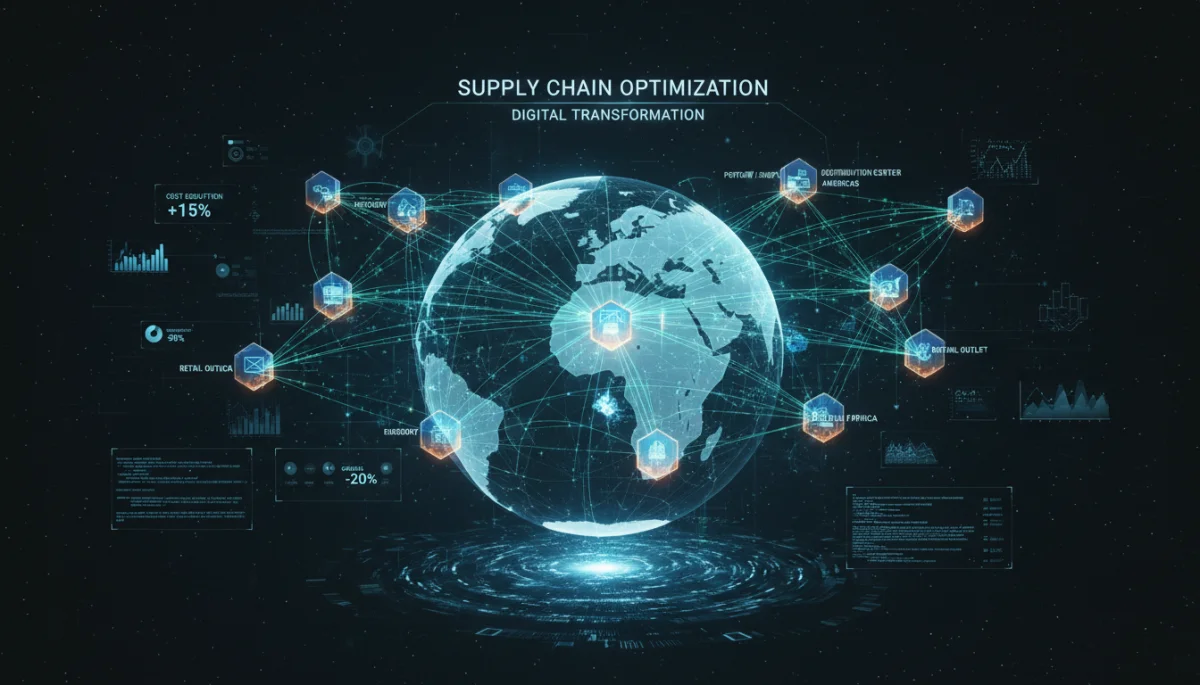
In essence, strengthening supply chain resilience and diversification is about building a future-proof operational backbone. This ensures that businesses can continue to deliver value, even in the face of significant external pressures, contributing to consistent growth.
Solution 3: Prioritizing Customer-Centric Innovation and Experience
In a competitive 2026 market, customer-centric innovation and an exceptional experience are paramount for capturing and retaining market share. Businesses must deeply understand their customers’ evolving needs and preferences, then innovate to meet and exceed those expectations. This approach fosters loyalty and drives organic growth.
Moving beyond product or service features, true customer-centricity involves designing every touchpoint to be intuitive, personalized, and valuable. This holistic view of the customer journey creates differentiation and strengthens brand affinity, directly contributing to a 10% growth target.
Enhancing Customer Engagement Through Innovation
Innovation should be guided by customer feedback and market analysis, leading to solutions that genuinely solve problems or create new value. This includes leveraging technology to personalize interactions and streamline processes.
- Personalized Offerings: Tailoring products, services, and communications based on individual customer data and behavior.
- Seamless Omnichannel Experience: Ensuring consistent and integrated interactions across all customer touchpoints, from online to in-store.
- Proactive Support: Utilizing AI and data to anticipate customer needs and offer solutions before problems arise.
- Co-creation with Customers: Involving customers in the product development process to ensure relevance and desirability.
Investing in user experience (UX) research and design is also vital to ensure that digital platforms and physical interactions are intuitive and enjoyable. A positive customer experience translates into repeat business and powerful word-of-mouth marketing.
Ultimately, prioritizing customer-centric innovation and experience means putting the customer at the heart of every business decision. This strategy not only drives satisfaction but also creates a sustainable competitive advantage and fuels consistent growth.
Solution 4: Fostering Agility and Adaptability in Business Operations
The unpredictable nature of the 2026 economic climate demands unparalleled organizational agility and adaptability. Businesses must cultivate a culture and operational framework that allows for rapid response to market changes, emerging threats, and new opportunities. This flexibility is key to maintaining momentum and achieving ambitious growth targets.
Agility means being able to pivot strategies, reallocate resources, and adjust operational models quickly without significant disruption. It contrasts sharply with rigid, hierarchical structures that are often slow to react, making it a critical differentiator in a volatile environment.
Building an Agile Organization
Developing an agile organization involves more than just implementing new processes; it requires a mindset shift across all levels. Empowerment, cross-functional collaboration, and continuous learning are central to this transformation.
- Cross-Functional Teams: Empowering small, autonomous teams to make decisions and execute projects quickly.
- Iterative Development: Adopting methodologies like Agile and Scrum to develop products and services in short cycles, allowing for frequent feedback and adjustments.
- Flexible Resource Allocation: The ability to quickly shift budgets, personnel, and technology to areas of greatest need or opportunity.
- Continuous Learning and Upskilling: Investing in employee training to ensure the workforce possesses the skills needed for future challenges.
Leadership plays a crucial role in fostering agility by promoting experimentation, learning from failures, and encouraging open communication. This creates an environment where innovation can thrive and adjustments can be made without fear of retribution.
In summary, fostering agility and adaptability is about creating a dynamic business that can thrive amidst uncertainty. By embracing flexible structures and a responsive culture, companies can navigate market shifts effectively and accelerate their path to growth.
Solution 5: Sustainable Practices and ESG Integration for Long-Term Value
Integrating sustainable practices and Environmental, Social, and Governance (ESG) principles is no longer just a corporate responsibility but a strategic imperative for businesses aiming for long-term value and growth in 2026. Consumers, investors, and regulators are increasingly demanding ethical and sustainable operations, making ESG a powerful driver of competitive advantage.
Companies that genuinely commit to ESG principles can enhance brand reputation, attract top talent, reduce operational risks, and unlock new market opportunities. This holistic approach to business creates shared value and contributes to resilient, sustainable growth.
Driving Value Through ESG Initiatives
ESG integration goes beyond compliance; it involves embedding sustainability into core business strategy, operations, and decision-making processes. This creates a positive impact while also generating financial returns.
- Resource Efficiency: Implementing initiatives to reduce energy consumption, water usage, and waste, leading to cost savings.
- Ethical Sourcing: Ensuring transparency and fairness throughout the supply chain, from raw materials to final products.
- Employee Well-being: Investing in fair labor practices, diversity, equity, and inclusion, which boosts morale and productivity.
- Community Engagement: Contributing positively to local communities, enhancing social license to operate and brand image.
Moreover, robust ESG reporting and transparency build trust with stakeholders, including investors who are increasingly using ESG metrics to evaluate company performance and risk. This can lead to better access to capital and a lower cost of financing.
Ultimately, sustainable practices and ESG integration are about building a business that is responsible, resilient, and ready for the future. By aligning profit with purpose, companies can achieve enduring success and contribute positively to the global economy.
Measuring and Sustaining 10% Growth in the Evolving Economy
Achieving a 10% growth target in 2026 requires more than just implementing solutions; it demands rigorous measurement, continuous optimization, and a commitment to data-driven decision-making. Businesses must establish clear key performance indicators (KPIs) to track progress across all strategic initiatives, ensuring that efforts translate into tangible results.
Sustaining this growth means fostering a culture of continuous improvement, where performance is regularly reviewed, and strategies are adapted based on insights gained. This iterative process ensures that the business remains aligned with market realities and customer needs.
Key Metrics for Growth Tracking
Effective measurement involves a balanced scorecard approach, looking at both financial and non-financial indicators. This provides a comprehensive view of business health and growth drivers.
- Revenue Growth Rate: Tracking year-over-year or quarter-over-quarter revenue increases.
- Customer Acquisition Cost (CAC): Monitoring the efficiency of marketing and sales efforts.
- Customer Lifetime Value (CLTV): Assessing the long-term profitability of customer relationships.
- Operational Efficiency Metrics: Measuring improvements in productivity, cost reduction, and resource utilization.
- Employee Engagement and Retention: Recognizing that a motivated workforce is crucial for sustained performance.
Regular performance reviews, coupled with advanced analytics tools, can help identify areas of success and those requiring adjustment. This proactive monitoring is vital for course correction and ensuring that the business stays on track towards its growth objectives.
In conclusion, achieving and sustaining 10% growth in 2026 is an ongoing journey that requires diligent measurement and a commitment to adaptability. By continuously monitoring performance and refining strategies, businesses can ensure their long-term prosperity.
| Key Solution | Brief Description |
|---|---|
| Digital Transformation & AI | Integrate AI and digital tools for enhanced efficiency and informed decisions. |
| Supply Chain Resilience | Diversify suppliers and optimize logistics to withstand disruptions. |
| Customer-Centric Innovation | Innovate based on customer needs to improve experience and loyalty. |
| Agility & Adaptability | Cultivate flexible operations to respond quickly to market changes. |
Frequently Asked Questions About 2026 Economic Growth
Key challenges for 2026 include persistent inflation, fluctuating interest rates, geopolitical instability impacting global trade, and the rapid pace of technological change requiring continuous adaptation. Businesses must be prepared for these dynamic shifts to maintain competitiveness.
AI integration boosts growth by enhancing operational efficiency, automating routine tasks, providing data-driven insights for strategic decisions, and enabling hyper-personalized customer experiences. These improvements collectively lead to cost savings, increased revenue, and competitive advantage.
Supply chain resilience is crucial because it ensures operational continuity amidst global disruptions. Diversifying suppliers and implementing real-time monitoring minimizes risks, maintains timely deliveries, and protects against unexpected events that could otherwise halt production or impact customer satisfaction.
Customer-centric innovation involves deeply understanding customer needs and preferences, then developing products, services, and experiences that exceed expectations. This includes personalized offerings, seamless omnichannel interactions, and involving customers in the co-creation process, fostering loyalty and driving growth.
Sustainable practices and ESG integration enhance long-term value by improving brand reputation, attracting ethical investors, reducing operational costs through efficiency, mitigating regulatory risks, and appealing to environmentally conscious consumers. This creates a resilient and responsible business model for sustained success.
Conclusion
The 2026 economic outlook, while complex, presents clear pathways for businesses to not only navigate market shifts but also achieve substantial growth. By strategically embracing digital transformation and AI, fortifying supply chains, prioritizing customer-centric innovation, fostering organizational agility, and integrating sustainable practices, companies can build robust and future-proof operations. These five solutions collectively form a powerful framework, enabling businesses to unlock new opportunities, enhance resilience, and confidently secure a targeted 10% growth in the dynamic years ahead. The commitment to these forward-thinking strategies will undoubtedly define market leaders in the evolving economic landscape.
