2026 Data Privacy: Compliance Checklist to Avoid $50K Fines
Anúncios
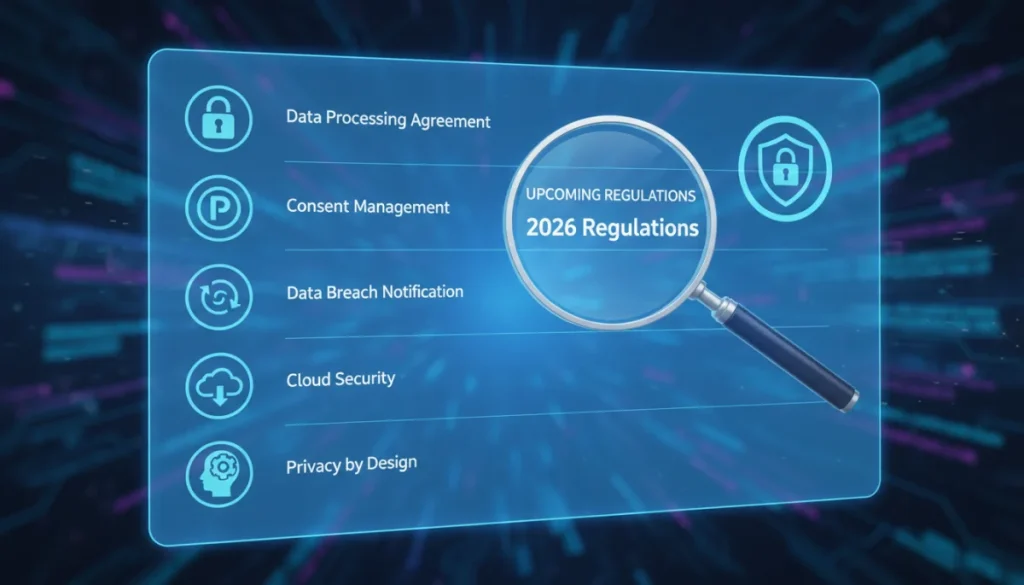
The 2026 data privacy regulations introduce stringent requirements for businesses handling personal data, necessitating a proactive compliance strategy to mitigate risks and avoid significant financial penalties up to $50,000.
Anúncios
As we approach 2026, the landscape of data privacy is undergoing a significant transformation. Businesses are bracing for new, more rigorous regulations designed to protect consumer data. Understanding the 2026 Data Privacy Regulations: A Compliance Checklist to Avoid $50,000 Fines is not just good practice; it’s a critical imperative for survival in an increasingly regulated digital world.
Understanding the Scope of New 2026 Data Privacy Regulations
The year 2026 marks a pivotal moment for data privacy. New regulations are set to take effect, expanding the scope of consumer rights and imposing stricter obligations on businesses. These regulations aim to harmonize data protection standards across various sectors, ensuring greater transparency and accountability in how personal information is collected, processed, and stored.
Anúncios
Businesses operating within or targeting the United States market must pay close attention, as non-compliance can lead to substantial penalties. The financial implications, with fines potentially reaching $50,000 per violation, underscore the urgency of a comprehensive compliance strategy.
Key Changes and Their Impact on Businesses
The upcoming regulations introduce several significant changes that will directly affect how businesses manage data. These include enhanced requirements for data consent, expanded consumer rights regarding data access and deletion, and more robust data breach notification protocols.
- Expanded Definition of Personal Data: The new rules broaden what constitutes ‘personal data,’ encompassing a wider range of identifiable information.
- Stricter Consent Requirements: Businesses will need to obtain explicit, unambiguous consent for data collection and processing, moving beyond implied consent.
- Enhanced Consumer Rights: Individuals will have greater control over their data, including rights to access, correct, delete, and port their personal information.
- Mandatory Data Protection Impact Assessments: For certain high-risk data processing activities, businesses will be required to conduct thorough impact assessments.
Staying informed about these changes is the first step towards building a resilient compliance framework. Ignoring them is not an option, given the potential for severe financial and reputational damage.
In essence, the 2026 regulations represent a paradigm shift in data governance. Businesses must move from a reactive stance to a proactive one, embedding privacy-by-design principles into their operations from the outset.
Establishing a Robust Data Inventory and Mapping System
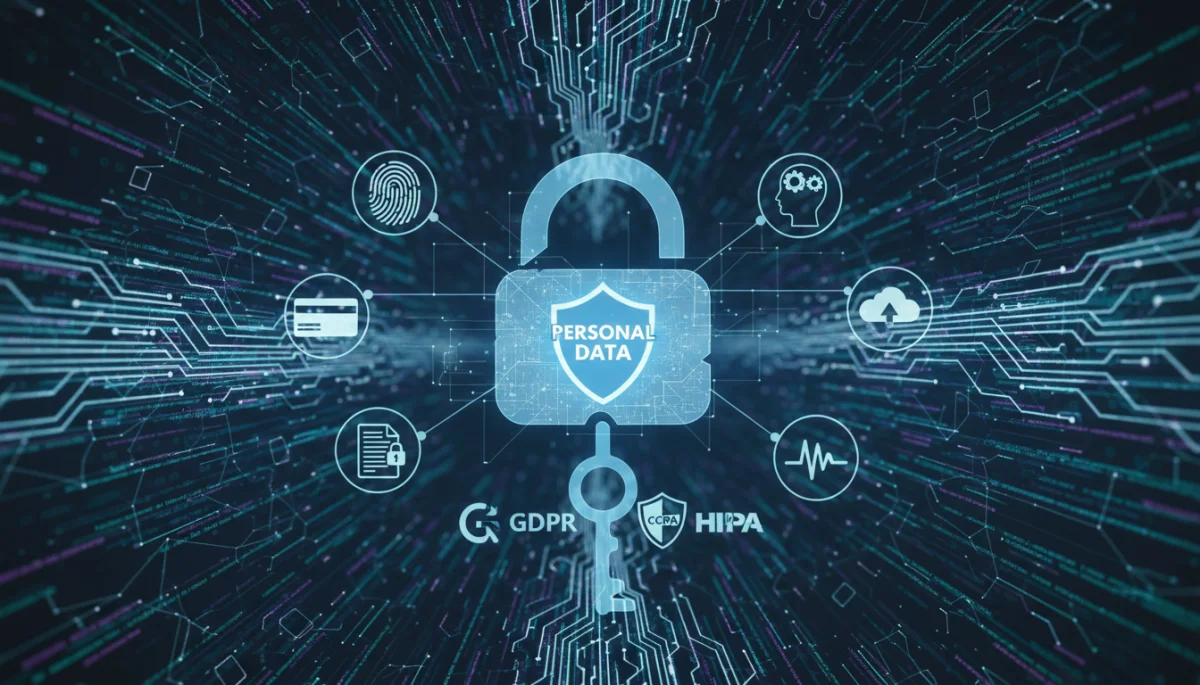
A fundamental component of navigating the 2026 data privacy regulations is a thorough understanding of the data your organization handles. This begins with establishing a robust data inventory and mapping system. Without a clear picture of what data you collect, where it resides, and how it flows through your systems, achieving compliance becomes an insurmountable challenge.
Data inventory involves identifying all personal data collected, created, received, and maintained by your organization. Data mapping then illustrates the journey of this data, from its point of collection to storage, processing, and eventual deletion. This process is crucial for identifying potential compliance gaps and vulnerabilities.
Steps to Create an Effective Data Inventory
Creating an effective data inventory requires a systematic approach. It involves collaboration across various departments, from IT and legal to marketing and human resources. The goal is to document every piece of personal data your organization touches.
- Identify Data Sources: Pinpoint all locations where personal data is collected, such as websites, CRM systems, HR databases, and third-party vendors.
- Categorize Data Types: Classify data based on sensitivity (e.g., personally identifiable information, sensitive personal information, health data).
- Document Data Flows: Map how data moves between systems, departments, and external partners. Understand who has access to what data and why.
- Assess Data Storage Locations: Determine where data is stored, both physically and digitally, and ensure appropriate security measures are in place.
This comprehensive mapping provides the transparency needed to answer critical questions about data handling, which is essential for demonstrating compliance to regulators and building trust with consumers. An accurate data inventory is the bedrock upon which all other privacy initiatives are built, making it indispensable for avoiding the steep fines associated with non-compliance.
Implementing Consent Management Platforms and Practices
With the 2026 data privacy regulations emphasizing explicit consent, businesses must re-evaluate and often overhaul their consent management practices. Simply having a privacy policy is no longer sufficient; organizations need to demonstrate that they have obtained valid consent for every data processing activity. This often involves implementing sophisticated Consent Management Platforms (CMPs).
CMPs are tools that help businesses collect, record, and manage user consent preferences in a transparent and auditable manner. They ensure that users are fully informed about how their data will be used and provide them with easy ways to grant or revoke consent at any time.
Best Practices for Consent Acquisition
Achieving compliant consent goes beyond just deploying a CMP. It requires careful consideration of user experience and clear communication. The goal is to make the consent process as straightforward and understandable as possible for the end-user.
- Clear and Concise Language: Avoid legal jargon. Explain data usage in simple, easy-to-understand terms.
- Granular Consent Options: Allow users to consent to specific data processing purposes rather than an all-or-nothing approach.
- Easy Withdrawal of Consent: Ensure users can easily withdraw their consent at any time, with mechanisms that are as simple as granting it.
- Record Keeping: Maintain detailed records of all consent decisions, including when and how consent was obtained, to demonstrate compliance.
The implementation of effective consent management is a continuous process. Regular audits and updates to your CMP and consent practices are necessary to adapt to evolving regulatory guidance and user expectations. Prioritizing clear, user-friendly consent mechanisms will not only help avoid fines but also foster greater trust with your customer base.
Data Minimization and Anonymization Strategies
Central to the philosophy of the 2026 data privacy regulations is the principle of data minimization. This means businesses should only collect the personal data that is strictly necessary for a specified, legitimate purpose. Over-collection of data increases risk and compliance burden, making data minimization a crucial strategy for regulatory adherence and reducing liability.
Complementing data minimization are anonymization and pseudonymization techniques. Anonymization transforms personal data so that individuals cannot be identified, even with additional information. Pseudonymization replaces identifiable information with artificial identifiers, making it difficult to attribute data to a specific individual without a key.
Techniques for Reducing Data Risk
Implementing data minimization and anonymization requires a strategic approach, often involving technological solutions and changes to data processing workflows. The objective is to protect privacy without hindering legitimate business operations.
- Purpose Limitation: Define clear, specific purposes for data collection and only collect data that directly serves those purposes.
- Data Retention Policies: Establish and enforce policies for how long different types of data are kept, ensuring data is deleted when no longer needed.
- Anonymization Techniques: Utilize methods like generalization, suppression, or aggregation to remove direct identifiers from datasets.
- Pseudonymization Best Practices: Apply techniques such as hashing or encryption to replace direct identifiers, ensuring the key to re-identification is securely managed and restricted.
By adopting these strategies, businesses can significantly reduce the volume of sensitive data they hold, thereby lowering the risk of data breaches and simplifying compliance efforts. These practices not only align with regulatory requirements but also demonstrate a commitment to ethical data stewardship, enhancing customer confidence.
Training Employees and Cultivating a Privacy-Aware Culture
Even the most robust technological solutions and policies for data privacy can be undermined by human error. Therefore, a critical element of compliance with the 2026 data privacy regulations is comprehensive employee training and the cultivation of a strong, privacy-aware organizational culture. Employees are often the first line of defense against data breaches and missteps in data handling.
Regular and effective training programs ensure that every employee understands their role in protecting personal data, the company’s privacy policies, and the potential consequences of non-compliance. A privacy-aware culture goes beyond mere training; it embeds privacy considerations into daily operations and decision-making processes.
Essential Components of Privacy Training
Effective privacy training should be ongoing, relevant to employees’ roles, and engaging. It should cover not only the ‘what’ but also the ‘why’ of data privacy, emphasizing its importance for both the business and its customers.
- Understanding the Regulations: Educate employees on the specifics of the 2026 regulations and how they impact their daily tasks.
- Identifying Personal Data: Train staff to recognize different types of personal data and understand their sensitivity levels.
- Data Handling Procedures: Provide clear guidelines on how to collect, store, process, and share personal data securely and compliantly.
- Incident Response Protocols: Ensure all employees know how to identify and report potential data breaches or privacy incidents promptly.
Fostering a culture where privacy is a shared responsibility requires leadership commitment and continuous reinforcement. When every employee understands and values data privacy, the organization significantly strengthens its overall compliance posture, minimizing the risk of costly fines and reputational damage.
Developing a Comprehensive Data Breach Response Plan
Despite best efforts in prevention, data breaches can occur. The 2026 data privacy regulations place significant emphasis on how organizations respond to such incidents. Having a well-defined and regularly tested data breach response plan is not merely good practice; it’s a mandatory component of compliance. A swift, effective response can mitigate harm to individuals, reduce financial penalties, and preserve customer trust.
A comprehensive plan outlines the steps to be taken from the moment a breach is detected through to its resolution and post-incident review. It involves legal, technical, and communication strategies to manage the crisis effectively.
Key Elements of an Effective Response Plan
An effective data breach response plan is multi-faceted, requiring coordinated efforts across various departments and often involving external experts. Preparedness is paramount to minimizing the impact of a breach.
- Detection and Containment: Establish clear procedures for identifying breaches and immediately isolating affected systems to prevent further compromise.
- Assessment and Analysis: Conduct a thorough investigation to understand the scope, nature, and root cause of the breach, identifying affected data and individuals.
- Notification Procedures: Define protocols for notifying affected individuals, regulatory authorities, and other relevant parties within the stipulated timeframes.
- Remediation and Recovery: Implement measures to fix vulnerabilities, restore affected systems, and recover lost data, ensuring long-term security.
- Post-Incident Review: Conduct a comprehensive review of the incident and the response to identify lessons learned and improve future security measures.
Regular testing and updating of the data breach response plan are crucial to ensure its effectiveness. This proactive approach not only helps in meeting regulatory obligations but also demonstrates a commitment to protecting customer data, a key factor in maintaining brand reputation and avoiding the severe consequences of non-compliance.
Regular Audits and Continuous Compliance Monitoring
Achieving compliance with the 2026 data privacy regulations is not a one-time event but an ongoing process. The regulatory landscape is dynamic, and business operations evolve, necessitating regular audits and continuous compliance monitoring. This proactive approach ensures that an organization remains compliant over time, identifying and addressing potential issues before they escalate into costly violations.
Regular audits involve a systematic review of data processing activities, security measures, and privacy policies against the requirements of the new regulations. Continuous monitoring, on the other hand, involves real-time tracking of data practices to detect deviations from established privacy standards.
Establishing an Ongoing Compliance Framework
To maintain continuous compliance, businesses need to embed privacy considerations into their operational fabric. This requires dedicated resources, clear responsibilities, and a commitment to perpetual improvement.
- Internal Audits: Conduct periodic internal reviews of data handling practices, consent records, and security controls to identify non-compliance.
- External Audits and Certifications: Consider engaging third-party experts for independent audits or pursuing privacy certifications to validate compliance efforts.
- Technology Solutions for Monitoring: Utilize privacy-enhancing technologies (PETs) and data loss prevention (DLP) tools to continuously monitor data flows and access.
- Stay Updated on Regulatory Changes: Regularly review and adapt policies and practices to reflect any updates or new interpretations of the 2026 data privacy regulations.
By establishing a robust framework for regular audits and continuous monitoring, businesses can proactively manage their data privacy risks. This not only safeguards against potential $50,000 fines but also reinforces customer trust and demonstrates a commitment to responsible data stewardship, which is invaluable in today’s privacy-conscious market.
| Key Compliance Area | Brief Description |
|---|---|
| Data Inventory | Identify, map, and categorize all personal data collected and processed. |
| Consent Management | Implement systems for explicit, granular, and easily revocable user consent. |
| Employee Training | Educate staff on privacy policies and data handling best practices. |
| Breach Response | Develop and test a plan for detecting, containing, and reporting data breaches. |
Frequently Asked Questions About 2026 Data Privacy
The 2026 regulations will introduce broader definitions of personal data, stricter consent requirements, enhanced consumer rights over their data, and mandatory data protection impact assessments for high-risk processing activities. These changes aim to standardize and strengthen data protection across various sectors.
To avoid fines, businesses must implement a comprehensive compliance strategy. This includes establishing data inventories, deploying consent management platforms, adopting data minimization, providing employee training, and developing robust data breach response plans. Regular audits and continuous monitoring are also essential.
Data minimization is the principle of collecting only the personal data strictly necessary for a specified purpose. It’s crucial for 2026 compliance as it reduces the risk associated with data breaches, simplifies compliance efforts, and aligns with the regulatory focus on ethical data stewardship.
Employee training is vital because human error can undermine even the best technical safeguards. It ensures staff understand their responsibilities, company policies, and the regulations, fostering a privacy-aware culture that is the first line of defense against data breaches and compliance failures.
A data breach response plan should be reviewed and updated at least annually, or whenever significant changes occur in business operations, technology, or regulatory guidance. Regular testing through drills and simulations is also crucial to ensure its effectiveness and readiness in a real-world scenario.
Conclusion
The impending 2026 data privacy regulations represent a significant shift in how businesses must handle personal information. The potential for $50,000 fines underscores the urgency of proactive compliance. By focusing on robust data inventory, transparent consent management, data minimization, thorough employee training, and comprehensive breach response planning, organizations can not only avoid penalties but also build stronger trust with their customers. Embracing these changes as an opportunity for better data stewardship will position businesses for long-term success in an increasingly privacy-conscious world.
