Liquid Cooling: Data Center Readiness by 2027
Anúncios
Is your data center ready? By 2027, adapting to advanced liquid cooling technologies will be critical for managing the escalating heat generated by high-density computing and AI workloads, ensuring operational efficiency and sustainability.
Is your data center ready? Preparing for the next wave of liquid cooling technologies by 2027 is no longer a futuristic concept but an urgent imperative for data center operators and IT infrastructure planners across the United States. As processing power intensifies and AI workloads become ubiquitous, traditional air cooling methods are rapidly becoming inadequate, pushing the industry towards more efficient and sustainable thermal management solutions.
Anúncios
The Escalating Heat Challenge in Modern Data Centers
The rapid evolution of data center technology, driven by advancements in artificial intelligence (AI), machine learning (ML), and high-performance computing (HPC), has led to an unprecedented increase in power density within server racks. This surge in computational power, while enabling incredible innovations, simultaneously generates immense amounts of heat that conventional air-cooling systems struggle to dissipate effectively. The implications range from reduced efficiency and increased operational costs to potential hardware failures and shortened equipment lifespans.
Addressing this escalating heat challenge requires a fundamental shift in cooling strategies. Data centers are not just housing servers; they are becoming intricate ecosystems where thermal management directly impacts performance, reliability, and environmental footprint. The urgency of this issue intensifies as we approach 2027, a critical juncture where many industry experts predict liquid cooling will transition from a niche solution to a mainstream necessity.
Anúncios
The Limitations of Air Cooling
- Inefficiency at High Densities: Air cooling becomes less effective as server rack densities exceed 10-15 kW, struggling to maintain optimal operating temperatures.
- Higher Energy Consumption: Moving large volumes of air requires significant fan power, contributing to higher energy bills and carbon emissions.
- Limited Scalability: Scaling air cooling often means expanding physical footprint or increasing fan speeds, both of which have practical and economic limits.
The continuous structure of data center operations demands solutions that can keep pace with technological advancements without compromising sustainability goals. Liquid cooling emerges as a viable answer, offering superior thermal conductivity and efficiency compared to air, thereby enabling higher rack densities and lower energy consumption. This section has highlighted how the inherent limitations of air cooling are paving the way for liquid-based solutions, making the question of preparedness for 2027 a pressing concern for all stakeholders.
Understanding Liquid Cooling Technologies: Direct-to-Chip and Immersion
Liquid cooling encompasses a variety of technologies, each with its own advantages and applications. Primarily, these can be categorized into direct-to-chip cooling and immersion cooling. Both methods leverage the superior heat transfer properties of liquids over air, but they differ significantly in their implementation and the extent of their thermal management capabilities.
Choosing the right liquid cooling solution depends on several factors, including current infrastructure, power density requirements, and long-term sustainability goals. Understanding these technologies is the first step towards formulating a robust strategy for data center readiness by 2027, ensuring that investments align with future operational needs and technological trends.
Direct-to-Chip Cooling
Direct-to-chip (DTC) cooling involves placing cold plates directly onto hot components like CPUs and GPUs. A liquid coolant, often water or a dielectric fluid, circulates through these cold plates, absorbing heat directly from the chip. This method is highly efficient for targeted cooling of specific, high-heat-generating components.
- Precision Cooling: Targets the hottest components directly, removing heat at its source.
- Hybrid Approach: Can be integrated with existing air-cooling systems for other components, offering a phased transition.
- Reduced Footprint: Allows for higher power densities within existing rack spaces without requiring a complete overhaul.
Immersion Cooling
Immersion cooling involves submerging entire servers or IT equipment into a non-conductive dielectric fluid. This can be either single-phase, where the fluid remains liquid, or two-phase, where the fluid boils and condenses to transfer heat. Immersion cooling offers the most comprehensive thermal management, providing uniform cooling across all components.
This approach significantly improves energy efficiency by eliminating the need for server fans and often reducing or removing the need for traditional CRAC/CRAH units. The contained environment also offers protection against dust and humidity, further enhancing equipment reliability. The decision between DTC and immersion often comes down to the desired level of heat removal and the willingness to adapt existing infrastructure.
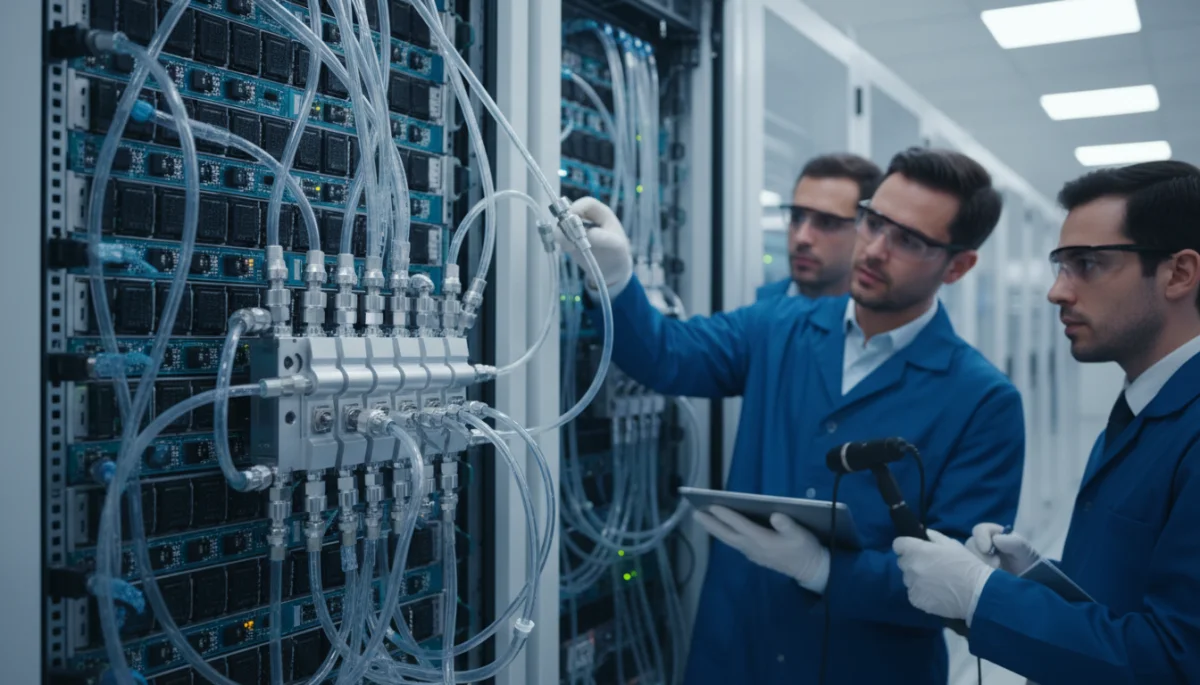
In conclusion, both direct-to-chip and immersion cooling present compelling alternatives to traditional air cooling. Their adoption is crucial for data centers aiming to support the next generation of computing while improving energy efficiency and sustainability. The upcoming years will see increased deployment of these technologies as data centers prepare for the demands of 2027.
Benefits of Adopting Liquid Cooling Before 2027
The proactive adoption of liquid cooling technologies offers a multitude of benefits that extend beyond mere heat dissipation. As data centers look towards 2027 and beyond, these advantages will become increasingly critical for maintaining competitive edge, operational resilience, and environmental responsibility. From enhanced performance to significant cost savings, the rationale for transitioning to liquid cooling is compelling.
Embracing these advanced cooling methods now allows data centers to future-proof their infrastructure, ensuring they are well-equipped to handle the escalating demands of next-generation computing. This strategic move can position organizations as leaders in sustainable and efficient data management, attracting both talent and clients who prioritize environmentally conscious operations.
Improved Energy Efficiency and Reduced PUE
One of the most significant benefits of liquid cooling is its remarkable energy efficiency. Liquids are thousands of times more effective at transferring heat than air, meaning less energy is required to cool the same amount of IT equipment. This directly translates to a lower Power Usage Effectiveness (PUE), a key metric for data center efficiency.
- Lower Operating Costs: Reduced energy consumption for cooling leads to substantial savings on electricity bills.
- Environmental Impact: A lower PUE contributes to a smaller carbon footprint, aligning with corporate sustainability goals.
- Optimized Power Allocation: More power can be allocated to IT equipment rather than cooling infrastructure, maximizing computational output.
Higher Rack Densities and Space Optimization
Liquid cooling enables significantly higher power densities within server racks, often exceeding 100 kW per rack, which is virtually impossible with air cooling. This capability allows data centers to deploy more powerful hardware in a smaller physical footprint.
By maximizing the utilization of existing space, organizations can delay or avoid costly expansions, making their data centers more scalable and agile. This is particularly crucial in urban areas where real estate is expensive and limited. The ability to pack more computational power into less space is a game-changer for businesses requiring intensive processing capabilities.
In summary, the benefits of integrating liquid cooling are multifaceted, offering both immediate operational improvements and long-term strategic advantages. Data centers that prioritize this transition will be better positioned to meet the challenges and opportunities that 2027 and future technological advancements will bring.
Challenges and Considerations for Implementation
While the benefits of liquid cooling are clear, the transition is not without its challenges. Implementing these advanced systems requires careful planning, significant investment, and a thorough understanding of the operational implications. Data center operators must address these considerations head-on to ensure a successful and seamless integration of new cooling technologies.
Navigating these hurdles effectively involves a comprehensive assessment of current infrastructure, a clear vision for future needs, and a commitment to continuous learning and adaptation. Overcoming these challenges is crucial for any data center aiming to be fully prepared for the widespread adoption of liquid cooling by 2027.
Initial Investment and Infrastructure Modifications
The upfront cost of liquid cooling systems, including specialized equipment, plumbing, and dielectric fluids, can be substantial. Furthermore, integrating these systems into existing data center infrastructure often requires significant modifications.
- Capital Expenditure: Budgeting for new hardware, installation, and potentially new facility layouts.
- Retrofitting Complexities: Adapting older data centers can be more challenging and costly than designing new facilities with liquid cooling in mind.
- Vendor Lock-in: Compatibility issues between different manufacturers’ liquid cooling solutions can create dependencies.
Operational and Maintenance Considerations
Liquid cooling introduces new operational complexities and maintenance requirements. Staff may need specialized training to manage these systems, and new protocols for leak detection and fluid management must be established.
The choice of coolant, whether water or a dielectric fluid, also impacts maintenance. While water is readily available, dielectric fluids may require specific handling and disposal procedures. Ensuring the reliability and safety of liquid cooling systems is paramount to prevent downtime and protect valuable IT assets. Proper planning for these operational aspects is key to a smooth transition and long-term success.
Ultimately, while the challenges are significant, they are surmountable with proper foresight and strategic planning. Data centers that invest in understanding and mitigating these issues will be better prepared to reap the full benefits of liquid cooling as 2027 approaches.
Strategic Planning for 2027: A Roadmap
Preparing for the widespread adoption of liquid cooling by 2027 requires a clear, strategic roadmap. This involves a phased approach that considers current infrastructure, future growth projections, and the evolving landscape of computing demands. A well-defined strategy ensures that investments are optimized and the transition is as efficient as possible.
Developing this roadmap means engaging with stakeholders across IT, facilities, and finance to align on goals and resource allocation. Proactive planning minimizes disruption and maximizes the benefits of integrating advanced thermal management solutions, positioning the data center for long-term success.
Phase 1: Assessment and Pilot Programs
The initial phase involves a thorough assessment of the current data center environment. This includes evaluating existing cooling infrastructure, identifying high-density areas, and projecting future power and cooling requirements. Based on this assessment, pilot programs can be initiated to test specific liquid cooling technologies.
- Infrastructure Audit: Analyze current power, cooling, and space utilization.
- Identify Hot Spots: Pinpoint areas with the highest heat generation suitable for liquid cooling.
- Vendor Engagement: Collaborate with liquid cooling providers to understand available solutions and best practices.
Phase 2: Gradual Integration and Scalability
Following successful pilot programs, the next phase focuses on gradual integration and ensuring scalability. This might involve deploying liquid cooling in new server racks or retrofitting existing ones in a controlled manner. The goal is to expand the liquid cooling footprint while minimizing operational risks.
Scalability is crucial, as data centers must be able to adapt to future increases in computational density. Modular liquid cooling solutions can offer flexibility, allowing for expansion as needed without requiring a complete overhaul of the entire facility. This phased approach helps manage costs and allows operators to gain experience with the new technology.
In conclusion, a methodical approach to planning, from initial assessment to gradual integration, is essential for data centers to successfully adopt liquid cooling by 2027. This roadmap ensures that organizations can effectively manage the transition and harness the full potential of these advanced thermal management solutions.
The Future Landscape: AI, HPC, and Liquid Cooling
The relentless march of technological progress, particularly in artificial intelligence (AI) and high-performance computing (HPC), is fundamentally reshaping the demands placed on data center infrastructure. These compute-intensive applications require unprecedented levels of processing power, leading to an exponential increase in thermal output. Liquid cooling is not merely an option but a critical enabler for the continued advancement and efficient operation of these cutting-edge technologies.
As we look towards 2027, the synergy between AI, HPC, and liquid cooling will define the next generation of data centers. Facilities that embrace and master these cooling methods will be at the forefront of innovation, capable of supporting the most demanding workloads with optimal performance and sustainability.
Enabling Next-Generation AI and HPC
AI training models and HPC simulations generate massive amounts of heat, often concentrated in very small areas. Traditional air cooling simply cannot keep up with these localized thermal loads without significant energy expenditure and potential performance throttling. Liquid cooling, with its superior heat transfer capabilities, directly addresses this challenge.
- Unleashing Performance: Prevents thermal throttling, allowing CPUs and GPUs to operate at peak performance for longer durations.
- Higher Density Compute: Facilitates the deployment of more powerful AI accelerators and HPC nodes within a confined space.
- Future-Proofing: Ensures infrastructure can support even more powerful generations of AI and HPC hardware.
Sustainability and Environmental Responsibility
Beyond performance, liquid cooling plays a pivotal role in the sustainability efforts of data centers. The energy savings associated with liquid cooling significantly reduce the operational carbon footprint, helping organizations meet their environmental, social, and governance (ESG) objectives.
Furthermore, liquid cooling systems can often recover waste heat, converting it into a reusable energy source for heating buildings or other industrial processes. This concept, known as waste heat recovery, transforms a byproduct into a valuable resource, further enhancing the environmental benefits of liquid cooling. As environmental regulations tighten and corporate responsibility grows, the sustainable aspects of liquid cooling become increasingly attractive.
In conclusion, the future of AI and HPC is inextricably linked with the evolution of liquid cooling. Data centers that proactively adopt these technologies will not only gain a competitive advantage in performance but also solidify their commitment to environmental stewardship, setting the standard for sustainable computing in the years leading up to and beyond 2027.
Regulatory Landscape and Industry Standards by 2027
The increasing prevalence of liquid cooling technologies is also bringing about changes in the regulatory landscape and the development of new industry standards. As data centers transition to these advanced systems, it’s crucial to be aware of evolving guidelines related to safety, environmental impact, and interoperability. Compliance with these standards will be essential for successful deployment and long-term operational integrity.
Understanding and anticipating these regulatory shifts is a key component of strategic planning for 2027. Proactive engagement with industry bodies and staying informed about best practices will ensure that data centers not only meet but exceed compliance requirements, fostering trust and operational excellence.
Evolving Safety and Environmental Regulations
As liquid coolants become more common, concerns around safety, particularly regarding potential leaks, fire hazards (for certain fluids), and proper disposal, are prompting new regulatory scrutiny. Data centers must ensure their chosen liquid cooling solutions adhere to local, state, and federal environmental and safety standards.
- Fluid Management: Regulations regarding the storage, handling, and disposal of dielectric fluids.
- Leak Detection Systems: Mandates for robust leak detection and containment systems to prevent environmental contamination or equipment damage.
- Building Codes: Updates to building codes to accommodate new plumbing and electrical requirements for liquid-cooled infrastructure.
Interoperability and Standardization Efforts
The rapid growth of liquid cooling has highlighted the need for greater interoperability and standardization across different vendors and components. Industry consortiums and standards bodies are actively working to establish common interfaces, protocols, and performance metrics to simplify adoption and reduce integration complexities.
This includes developing standards for cold plate designs, quick-disconnect couplings, manifold systems, and coolant specifications. Adhering to these emerging standards will ensure greater flexibility, reduce vendor lock-in, and facilitate easier maintenance and upgrades. Data centers should monitor these developments closely and prioritize solutions that align with future industry-wide norms.
In summary, staying abreast of the dynamic regulatory landscape and contributing to or adopting emerging industry standards is vital for data centers preparing for liquid cooling by 2027. This proactive approach ensures compliance, enhances safety, and promotes the long-term viability and scalability of liquid-cooled infrastructures.
| Key Aspect | Brief Description |
|---|---|
| Heat Challenge | AI/HPC drive unprecedented heat loads, making air cooling inefficient. |
| Liquid Cooling Types | Direct-to-chip for targeted cooling, immersion for comprehensive thermal management. |
| Key Benefits | Improved energy efficiency, higher rack densities, and reduced PUE. |
| Strategic Roadmap | Assessment, pilot programs, gradual integration, and scalability planning. |
Frequently Asked Questions About Liquid Cooling
Liquid cooling is becoming essential due to the escalating heat generated by high-density computing, AI, and HPC. Traditional air cooling is insufficient to dissipate this heat efficiently, leading to performance issues, higher energy costs, and potential hardware damage. Liquid cooling offers superior thermal conductivity and efficiency.
The main types are direct-to-chip cooling, where liquid passes through cold plates attached to hot components like CPUs and GPUs, and immersion cooling, where entire servers are submerged in a non-conductive dielectric fluid. Both offer significant heat removal advantages over air.
Key benefits include improved energy efficiency, leading to lower PUE and reduced operating costs. It also enables higher rack densities, optimizing data center space, and ensures better performance by preventing thermal throttling of high-power components. Liquid cooling also aligns with sustainability goals.
Challenges include significant initial investment in new hardware and infrastructure modifications. Operational complexities like specialized staff training, leak detection protocols, and managing new coolants also need careful consideration. Retrofitting older facilities can be particularly complex.
Preparation involves a strategic roadmap: conducting thorough infrastructure assessments, running pilot programs with specific liquid cooling technologies, and planning for gradual integration and scalability. Staying updated on evolving regulatory standards and engaging with vendors are also crucial steps.
Conclusion: Embracing the Liquid-Cooled Future
The imperative for data centers to embrace advanced liquid cooling technologies by 2027 is undeniable. As AI, HPC, and other high-density computing workloads continue to proliferate, traditional air cooling methods will become increasingly unsustainable and inefficient. Proactive planning and investment in liquid cooling are no longer options but critical strategic decisions that will define the operational efficiency, environmental footprint, and competitive edge of data centers in the coming years. By understanding the technologies, recognizing the benefits, navigating the challenges, and following a clear roadmap, data center operators can ensure their infrastructure is not just ready, but optimized for the next wave of computing. The future of data centers is undoubtedly liquid-cooled, promising a more powerful, efficient, and sustainable digital landscape.
