Scaling Your Business with SaaS: Reduce Overhead by 20%

Anúncios
SaaS solutions are revolutionizing how businesses operate, offering scalable and cost-effective tools that can drastically reduce operational overhead by up to 20%, fostering sustainable growth and enhanced efficiency.
Anúncios
In today’s competitive landscape, achieving sustainable growth often hinges on operational efficiency and cost management. This article delves into how SaaS business scaling can lead to significant overhead reductions, potentially up to 20%, by comparing five leading platforms designed to streamline your operations.
understanding saas and its impact on business overhead
Software as a Service (SaaS) has transformed the way businesses acquire and utilize technology. Instead of purchasing and maintaining software licenses and infrastructure, companies can subscribe to cloud-based applications, accessing them over the internet. This model inherently offers numerous advantages for cost reduction and operational flexibility.
Anúncios
The shift from CapEx (Capital Expenditure) to OpEx (Operational Expenditure) is a primary driver of overhead reduction. Businesses no longer need to invest heavily in servers, hardware, and IT personnel for software deployment and maintenance. This frees up capital that can be reallocated to core business activities or strategic investments, fostering agility and responsiveness in a dynamic market.
the financial advantages of saas adoption
SaaS platforms typically operate on a subscription model, which provides predictable monthly or annual costs. This predictability aids in budgeting and financial planning, eliminating unexpected expenses associated with traditional software ownership, such as unforeseen maintenance or upgrade costs. Furthermore, the scalability of SaaS means businesses only pay for what they use, allowing for easy adjustment of resources up or down based on demand.
- Reduced Infrastructure Costs: No need for on-premise servers, data centers, or extensive IT hardware.
- Lower Maintenance Expenses: SaaS providers handle all software updates, patches, and security, reducing internal IT workload.
- Predictable Budgeting: Fixed subscription fees simplify financial forecasting and eliminate surprise costs.
- Scalability and Flexibility: Easily adjust user counts and features as business needs evolve, avoiding over-provisioning.
Beyond direct cost savings, SaaS enhances efficiency by automating routine tasks, improving collaboration, and providing access to advanced features without the need for specialized in-house expertise. This holistic approach to cost management and operational improvement positions SaaS as a cornerstone for modern business scaling strategies.
evaluating saas platforms for customer relationship management
Customer Relationship Management (CRM) systems are vital for managing interactions with current and potential customers. Implementing an effective CRM SaaS solution can significantly reduce overhead by automating sales, marketing, and customer service processes, leading to improved customer satisfaction and customer retention.
When selecting a CRM platform, it’s crucial to consider its integration capabilities with existing systems, ease of use, and the specific features that align with your business objectives. A well-chosen CRM can centralize customer data, automate follow-ups, and provide insights that drive more efficient marketing campaigns, all while minimizing the need for manual data entry and disparate systems.
salesforce sales cloud: a comprehensive solution
Salesforce Sales Cloud remains a leader in the CRM space, offering extensive features for sales automation, lead management, and analytics. Its robust ecosystem of integrations and customizable workflows allows businesses to tailor the platform to their unique needs, driving efficiency and reducing manual effort across the sales cycle.
While often perceived as a premium solution, the long-term benefits in terms of sales productivity and data centralization can lead to substantial overhead reduction. By providing a unified view of customer interactions, Salesforce helps sales teams operate more effectively, reducing time spent on administrative tasks and increasing focus on revenue-generating activities.
- Automated Lead Management: Streamlines lead capture, assignment, and nurturing.
- Enhanced Sales Forecasting: Provides accurate predictions for better resource allocation.
- Customizable Workflows: Adapts to unique sales processes, minimizing manual steps.
Salesforce’s continuous innovation ensures that businesses have access to the latest tools, keeping them competitive. The platform’s extensive support and community also mean that help is readily available, further reducing the need for extensive in-house training or troubleshooting.
optimizing project management and collaboration with saas
Inefficient project management can be a major drain on resources, leading to missed deadlines, budget overruns, and frustrated teams. SaaS-based project management tools provide centralized platforms for planning, executing, and monitoring projects, significantly reducing administrative overhead and improving team collaboration.
These platforms often include features like task tracking, Gantt charts, resource allocation, and communication tools, all accessible from anywhere with an internet connection. By standardizing project workflows and facilitating real-time communication, businesses can eliminate redundant efforts, optimize resource utilization, and ensure projects stay on track and within budget.
asana: simplifying team collaboration and task management
Asana is a popular choice for project management, known for its intuitive interface and powerful features that help teams organize, track, and manage their work. It enables users to create tasks, set deadlines, assign responsibilities, and monitor progress, all within a single, collaborative environment.
The platform’s ability to integrate with other business tools further enhances efficiency, reducing the need for context switching and ensuring all relevant information is easily accessible. This leads to a reduction in communication overhead and an increase in overall team productivity, directly contributing to cost savings.
- Centralized Task Management: Keeps all project tasks organized and visible.
- Streamlined Communication: Facilitates discussions directly within tasks, reducing email clutter.
- Progress Tracking: Provides clear visibility into project status and potential bottlenecks.
By providing a clear overview of all ongoing projects and individual responsibilities, Asana empowers teams to manage their workload more effectively, minimizing delays and maximizing output. This translates to fewer hours spent on coordination and more on actual work, a key factor in reducing operational costs.
streamlining human resources and payroll with saas
Managing human resources (HR) and payroll can be complex and time-consuming, especially for growing businesses. SaaS HR and payroll platforms automate many of these administrative tasks, reducing the burden on HR departments and ensuring compliance with labor laws, thereby cutting overhead.
These solutions typically offer features such as applicant tracking, onboarding, time and attendance management, benefits administration, and payroll processing. By centralizing HR data and automating routine processes, businesses can minimize errors, reduce manual paperwork, and free up HR staff to focus on more strategic initiatives like talent development and employee engagement.
gusto: all-in-one payroll and hr for small businesses
Gusto stands out as an excellent SaaS solution for small and medium-sized businesses looking to simplify payroll, benefits, and HR. It automates tax filings, direct deposits, and compliance, significantly reducing the administrative overhead associated with managing a workforce.
Beyond payroll, Gusto offers tools for employee onboarding, time tracking, and benefits management, providing a comprehensive HR platform. This integrated approach ensures consistency in HR processes and reduces the risk of compliance issues, which can be costly. By simplifying these essential functions, businesses can save valuable time and resources.
- Automated Payroll Processing: Ensures accurate and timely payments and tax filings.
- Simplified Benefits Administration: Manages health insurance, 401(k)s, and other employee benefits.
- Compliance Assistance: Helps businesses stay compliant with federal and state regulations.
Gusto’s user-friendly interface makes it accessible even for those without extensive HR experience, further reducing the need for specialized personnel. The platform’s proactive compliance updates also ensure businesses are always up-to-date with changing regulations, preventing costly penalties.
enhancing financial management and accounting with saas
Efficient financial management is critical for business sustainability. SaaS accounting software automates bookkeeping, invoicing, expense tracking, and financial reporting, significantly reducing the time and effort traditionally required for these tasks. This automation directly translates to reduced overhead and improved financial accuracy.
Cloud-based accounting solutions provide real-time financial insights, allowing businesses to make informed decisions quickly. They often integrate with banking services and other business tools, creating a seamless financial ecosystem. The elimination of manual data entry and reconciliation errors also contributes to substantial cost savings and greater operational transparency.
quickbooks online: comprehensive accounting for businesses
QuickBooks Online is a widely recognized SaaS platform for accounting, offering a robust suite of features for managing finances. From invoicing and expense tracking to payroll and financial reporting, it provides a comprehensive solution for businesses of all sizes.
Its cloud-based nature allows for anytime, anywhere access, facilitating collaboration between team members and accountants. By automating many routine accounting tasks, QuickBooks Online significantly reduces the need for manual processing, minimizes errors, and frees up valuable time for strategic financial planning.
- Automated Bookkeeping: Simplifies transaction recording and categorization.
- Real-time Financial Reporting: Provides up-to-date insights into business performance.
- Seamless Integrations: Connects with banks, payment processors, and other business apps.
The platform’s scalability ensures it can grow with your business, adapting to increasing transaction volumes and reporting needs without requiring a complete system overhaul. This long-term viability makes it a cost-effective choice for sustained financial management.
optimizing marketing and communication with saas platforms
Effective marketing and communication are essential for attracting and retaining customers, but they can also be a significant source of overhead if not managed efficiently. SaaS marketing automation platforms streamline campaigns, manage customer interactions, and analyze performance, leading to more impactful marketing efforts at a lower cost.
These tools often include email marketing, social media management, content scheduling, and analytics features. By automating repetitive marketing tasks and providing data-driven insights, businesses can optimize their spending, improve conversion rates, and reduce the need for extensive manual oversight, thereby contributing to significant overhead reduction.
mailchimp: email marketing and audience management
Mailchimp is a popular SaaS platform for email marketing and audience management, particularly favored by small and medium-sized businesses. It offers intuitive tools for creating, sending, and analyzing email campaigns, as well as managing customer relationships through segmentation and automation.
By automating email sequences, segmenting audiences for targeted messaging, and providing detailed performance analytics, Mailchimp helps businesses maximize their marketing ROI while minimizing the time and resources invested. This leads to more effective communication strategies and a direct reduction in marketing overhead.
- Automated Email Campaigns: Schedules and sends emails based on user behavior.
- Audience Segmentation: Targets specific customer groups for personalized messaging.
- Performance Analytics: Provides insights to optimize campaign effectiveness.
Mailchimp’s user-friendly interface and extensive template library make it easy for even non-marketing professionals to create professional-looking campaigns. Its ability to integrate with e-commerce platforms further enhances its value, providing a holistic view of customer interactions and purchasing behaviors.
| Key SaaS Area | Overhead Reduction Benefit |
|---|---|
| CRM | Automates sales, marketing, and customer service; centralizes data. |
| Project Management | Streamlines workflows, improves collaboration, optimizes resource use. |
| HR & Payroll | Automates administrative tasks, ensures compliance, reduces errors. |
| Financial Management | Automates bookkeeping, provides real-time insights, minimizes errors. |
frequently asked questions about saas and overhead reduction
SaaS, or Software as a Service, provides cloud-based applications on a subscription model. It reduces overhead by eliminating the need for expensive on-premise hardware, software licenses, and IT maintenance, turning capital expenditures into predictable operational costs. This shift allows businesses to reallocate resources more strategically.
Yes, many businesses report significant overhead reductions, often reaching 20% or more, through strategic SaaS adoption. These savings come from reduced IT infrastructure costs, lower maintenance expenses, optimized operational workflows, and improved efficiency across various departments like sales, HR, and finance.
Businesses of all sizes can benefit, but small to medium-sized enterprises (SMEs) often see the most immediate impact. SaaS provides access to enterprise-grade tools without the prohibitive upfront costs, enabling SMEs to compete more effectively and scale operations without extensive capital investment.
Choosing the right SaaS platform involves evaluating your specific business needs, budget, integration requirements, and scalability demands. Look for platforms with strong reviews, robust features, excellent customer support, and a clear roadmap for future development to ensure long-term compatibility.
Data security is a valid concern, but reputable SaaS providers invest heavily in advanced security measures, compliance certifications, and regular audits. Always review a provider’s security protocols and data privacy policies. Often, their security infrastructure surpasses what individual businesses can maintain in-house.
conclusion
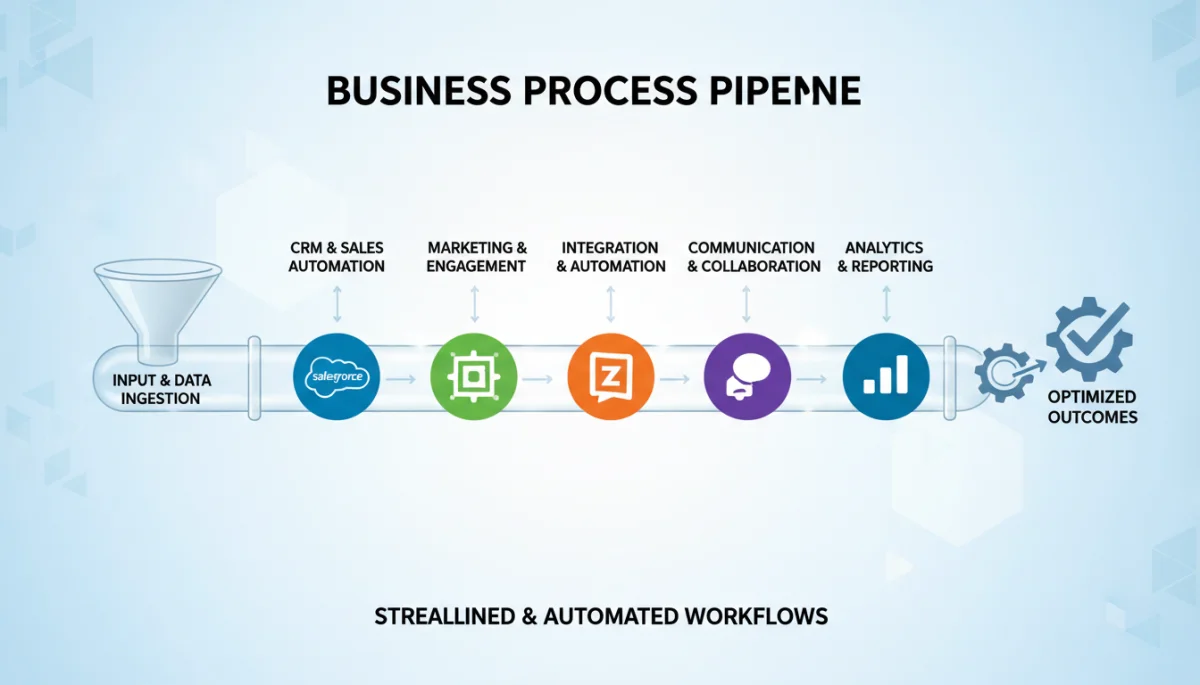
The strategic adoption of SaaS solutions offers a powerful pathway for businesses to achieve substantial overhead reductions and foster sustainable growth. By migrating core functions like CRM, project management, HR, accounting, and marketing to cloud-based platforms, companies can eliminate costly infrastructure, streamline operations, and enhance efficiency across the board. The examples of Salesforce, Asana, Gusto, QuickBooks Online, and Mailchimp illustrate the diverse range of solutions available, each tailored to address specific operational challenges. Embracing SaaS is not merely a technological upgrade; it is a fundamental shift towards a more agile, cost-effective, and scalable business model, capable of delivering a competitive edge in today’s dynamic market.
