Additive Manufacturing’s Impact: 4 Industries Saving 25% on Production Costs in the US
Anúncios
Additive manufacturing is revolutionizing US industries by enabling significant production cost reductions, with four key sectors experiencing up to 25% savings through optimized designs, reduced material waste, and localized production.
The landscape of American manufacturing is undergoing a profound transformation, driven by innovative technologies that promise efficiency and significant cost reductions. Among these, additive manufacturing’s impact stands out, reshaping how products are designed, produced, and delivered across various sectors. This revolutionary approach, often known as 3D printing, is not just a prototyping tool anymore; it’s a full-fledged production method enabling US industries to save up to 25% on production costs, fundamentally altering their competitive edge.
Anúncios
The rise of additive manufacturing: a paradigm shift in production
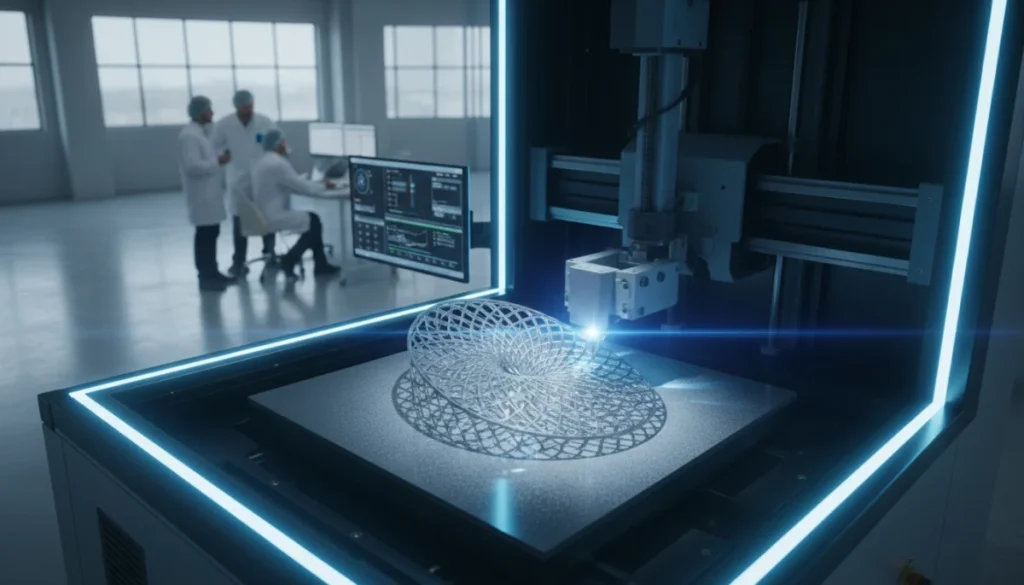
Additive manufacturing, or AM, represents a fundamental shift from traditional subtractive manufacturing processes. Instead of removing material from a larger block, AM builds objects layer by layer, directly from a digital design. This method offers unparalleled design freedom, allowing for complex geometries, lightweight structures, and customized parts that were previously impossible or prohibitively expensive to produce. The implications for cost savings and efficiency are enormous, particularly within the United States, where industries are constantly seeking ways to optimize their operations and maintain global competitiveness.
The adoption of AM is driven by several key factors, including the need for rapid prototyping, on-demand production, and the ability to create highly specialized components without extensive tooling. This technology reduces material waste, streamlines supply chains, and can even enable localized production, thereby mitigating risks associated with global logistics. Understanding these foundational benefits is crucial to appreciating why various industries are embracing AM as a core strategy for innovation and financial optimization.
Anúncios
Beyond prototyping: AM in full-scale production
While additive manufacturing gained initial traction as a rapid prototyping tool, its capabilities have expanded dramatically. Modern AM systems can produce end-use parts with properties comparable to, or even superior to, those made with conventional methods. This evolution has opened doors for its integration into full-scale production lines, particularly for low-volume, high-value components or parts requiring extreme customization.
- Material versatility: AM now supports a wide array of materials, from advanced polymers and composites to various metals like titanium, aluminum, and stainless steel, broadening its application scope.
- Process maturity: Industrial-grade AM machines offer improved repeatability, accuracy, and speed, making them viable for demanding production environments.
- Post-processing advancements: Automated post-processing solutions are reducing the manual labor and time required to finish AM parts, further enhancing efficiency.
In essence, additive manufacturing is no longer just a futuristic concept; it’s a present-day reality transforming the manufacturing landscape. Its ability to create intricate designs, reduce material consumption, and accelerate product development cycles positions it as a cornerstone technology for industries aiming to achieve significant cost reductions and drive innovation. This foundational understanding sets the stage for exploring its specific impact on various sectors.
Aerospace: lighter, stronger, and more cost-effective components
The aerospace industry is arguably one of the earliest and most enthusiastic adopters of additive manufacturing. The stringent requirements for lightweight, high-performance, and durable components make AM an ideal solution. By leveraging AM, aerospace manufacturers can create parts with optimized geometries, such as lattice structures, that significantly reduce weight while maintaining or even improving structural integrity. This weight reduction directly translates to fuel efficiency gains, a critical factor for airlines and space agencies alike.
Beyond weight savings, AM also enables the consolidation of multiple parts into a single, complex component. This reduces assembly time, simplifies supply chains, and minimizes the potential for failure points. The ability to produce parts on demand also helps reduce inventory costs and lead times, which are often substantial in the aerospace sector. Companies are reporting substantial savings, often exceeding 20%, through the strategic implementation of 3D printing for both critical and non-critical components.
Optimizing design for performance and cost
One of the most significant advantages AM offers to aerospace is design freedom. Engineers are no longer constrained by traditional manufacturing limitations, allowing them to innovate radically. Generative design software, combined with AM, can produce topologically optimized parts that are lighter and stronger than their conventionally manufactured counterparts.
- Fuel efficiency: Lighter aircraft require less fuel, leading to significant operational cost savings over the lifespan of an aircraft.
- Part consolidation: Merging multiple components into one reduces assembly complexity, labor costs, and the risk of part failure.
- Customization for specific needs: AM allows for the production of highly customized parts for unique aircraft models or even individual repairs, reducing the need for extensive stockpiles.
The aerospace sector’s embrace of additive manufacturing demonstrates a clear path toward achieving both performance enhancements and substantial cost efficiencies. From intricate engine components to cabin interior parts, AM is proving indispensable in pushing the boundaries of what’s possible, all while delivering a strong return on investment. This industry serves as a powerful example of AM’s transformative potential.
Medical devices: personalized care at reduced expense
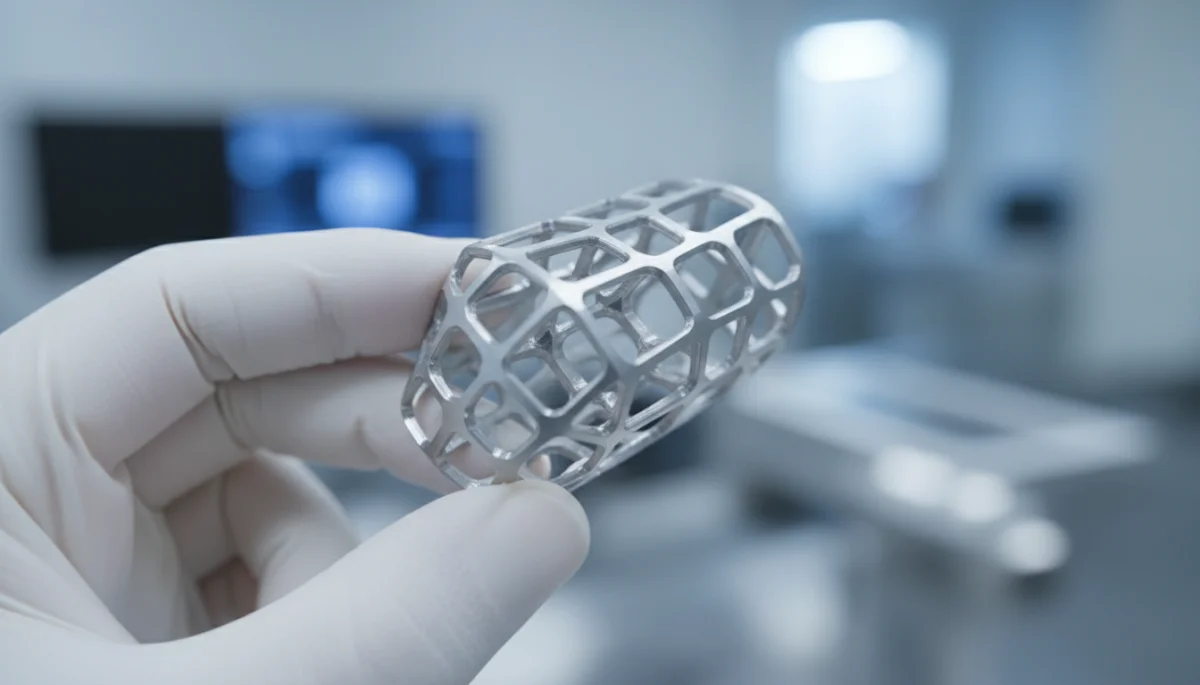
The medical device industry is another sector experiencing a profound revolution thanks to additive manufacturing. The ability to create highly customized, patient-specific devices on demand is a game-changer, improving patient outcomes and often reducing overall healthcare costs. From prosthetic limbs and dental implants to surgical guides and intricate anatomical models, AM offers precision and personalization previously unattainable.
Traditional manufacturing methods often involve extensive tooling and long lead times for custom devices, making them expensive and slow to produce. AM bypasses many of these limitations, allowing for rapid iteration and production of bespoke implants and instruments. This leads to shorter hospital stays, better surgical precision, and ultimately, a more efficient healthcare system. The cost savings here are not just in manufacturing, but also in improved patient recovery and reduced complications.
Patient-specific solutions and supply chain benefits
Additive manufacturing excels at creating unique items, making it perfectly suited for the personalized needs of patients. This capability extends from external prosthetics to internal implants, each designed to fit an individual’s exact anatomy.
- Custom prosthetics: Creating lightweight, perfectly fitted prosthetics that improve comfort and functionality for amputees.
- Surgical guides: 3D-printed guides enhance precision in complex surgeries, reducing operative time and improving success rates.
- Biomaterials integration: Advancements in biocompatible materials for AM are enabling the creation of implants that integrate more effectively with the human body.
The economic benefits in medical devices are multifaceted. Reduced material waste, on-demand production minimizing inventory, and the elimination of expensive molds and tooling all contribute to significant cost savings. Furthermore, localized production capabilities mean medical facilities can potentially print certain devices in-house or from regional hubs, drastically shortening supply chains and ensuring rapid access to critical tools. This convergence of personalized care and economic efficiency highlights the profound impact of AM in healthcare.
Automotive: lightweighting and rapid iteration
The automotive industry, always striving for efficiency and innovation, has found a powerful ally in additive manufacturing. While mass-produced components still largely rely on traditional methods, AM is proving invaluable for prototyping, tooling, and the production of specialized, low-volume, or customized parts. The drive for lighter vehicles to improve fuel economy and reduce emissions is a major catalyst for AM adoption in this sector.
AM allows engineers to rapidly prototype new designs, test them, and iterate quickly, significantly shortening development cycles. This agility is crucial in a fast-paced industry where bringing new models to market swiftly provides a competitive advantage. Beyond prototyping, AM is increasingly used for manufacturing jigs, fixtures, and molds, which are often produced faster and at a lower cost than traditional methods. For high-end vehicles or specialized editions, AM is even producing end-use parts, offering customization options to consumers that were once unimaginable.
From concept to market: accelerating development
The ability to quickly move from a digital design to a physical part is a cornerstone of AM’s value proposition in automotive. This rapid iteration capacity impacts various stages of vehicle development and production.
- Functional prototyping: Testing designs with functional prototypes made quickly and affordably, identifying issues early in the development phase.
- Custom tooling: Producing bespoke jigs, fixtures, and manufacturing aids that improve assembly line efficiency and ergonomics.
- Lightweight components: Manufacturing intricate, lightweight parts for performance vehicles or electric vehicles, enhancing range and efficiency.
Automotive companies are realizing significant cost savings by reducing the need for expensive tooling modifications during the design phase and by streamlining the production of specialized components. The flexibility offered by additive manufacturing allows manufacturers to respond more quickly to market demands and consumer preferences, all while optimizing their operational expenditures. This adaptability is key to staying competitive in a constantly evolving market.
Consumer goods: customization and on-demand production
The consumer goods sector is experiencing a quiet revolution driven by additive manufacturing, particularly in areas demanding high levels of customization, rapid product development, and efficient small-batch production. Unlike mass-market items, many consumer goods benefit immensely from the ability to tailor products to individual preferences or produce them only when needed, reducing waste and inventory costs.
From personalized eyewear and bespoke footwear components to unique home decor and custom electronics enclosures, AM offers brands the flexibility to create distinctive products that stand out in a crowded market. This capability allows for direct-to-consumer models, where products can be designed online and printed on demand, minimizing warehousing needs and supply chain complexities. The cost savings come from reduced inventory, less material waste, and the ability to test market demand for new products without massive upfront investment in tooling.
Tailoring products to individual desires
Personalization is a powerful trend in consumer goods, and additive manufacturing is the technology enabling it at scale. This allows companies to move beyond a one-size-fits-all approach.
- Personalized accessories: Creating unique phone cases, jewelry, or fashion accessories designed by or for individual customers.
- On-demand spare parts: Producing replacement parts for appliances or electronics on demand, extending product life and reducing waste.
- Rapid product innovation: Quickly bringing new product iterations to market based on consumer feedback, without the high costs of traditional manufacturing setup.
For consumer goods companies, additive manufacturing represents an opportunity to connect more deeply with customers by offering unique, personalized items. The economic advantages are clear: lower inventory holding costs, reduced waste from overproduction, and the agility to respond quickly to changing consumer trends. This enables a more sustainable and customer-centric business model, driving both profitability and brand loyalty through innovative production methods.
Overcoming challenges and looking to the future
While the benefits of additive manufacturing are substantial, its widespread adoption still faces challenges. These include the initial capital investment in AM equipment, the need for specialized design and engineering skills, and the ongoing development of materials and post-processing techniques. However, as the technology matures and becomes more accessible, these hurdles are gradually being overcome, paving the way for even broader industrial integration.
The future of additive manufacturing in the US looks promising. Continued advancements in machine capabilities, material science, and software will further enhance its efficiency and cost-effectiveness. We can expect to see AM playing an even more critical role in localized manufacturing, enabling companies to produce goods closer to their end-users, reducing logistical costs and environmental impact. Furthermore, the integration of artificial intelligence and machine learning will lead to more optimized designs and automated production processes, unlocking new levels of savings and innovation.
The path ahead for additive manufacturing
Addressing current limitations is key to unlocking the full potential of AM. Investment in research and development, alongside workforce training, will be crucial for sustained growth and impact.
- Standardization efforts: Developing industry-wide standards for materials and processes will increase reliability and confidence in AM parts.
- Workforce development: Training programs are essential to equip the next generation of engineers and technicians with AM expertise.
- Automation and AI integration: Further automating the AM workflow, from design to post-processing, will enhance efficiency and reduce labor costs.
The trajectory of additive manufacturing points towards a future where it is not just an alternative but a preferred method for diverse production needs. Its ability to deliver significant cost savings, foster innovation, and enable sustainable manufacturing practices ensures its continued growth and transformative influence across US industries. The journey is ongoing, but the direction is clear: AM is a cornerstone of modern industrial advancement.
| Industry | Key Impact of Additive Manufacturing |
|---|---|
| Aerospace | Reduced weight, improved fuel efficiency, part consolidation, and complex geometries. |
| Medical Devices | Patient-specific implants, custom prosthetics, surgical guides, and rapid prototyping. |
| Automotive | Lightweighting, rapid prototyping, custom tooling, and specialized part production. |
| Consumer Goods | Personalization, on-demand production, reduced inventory, and rapid product innovation. |
Frequently asked questions about additive manufacturing
Additive manufacturing (AM), or 3D printing, builds objects layer by layer from a digital design. This contrasts with traditional subtractive methods, which remove material from a larger block. AM allows for complex geometries, reduces material waste, and enables on-demand production, offering significant design flexibility and efficiency gains over conventional manufacturing.
Four key US industries experiencing substantial benefits are aerospace, medical devices, automotive, and consumer goods. Aerospace leverages AM for lightweight components, medical for personalized implants, automotive for rapid prototyping and specialized parts, and consumer goods for customization and on-demand production. All achieve significant cost reductions and innovation.
AM reduces costs through several mechanisms: decreased material waste due to its layer-by-layer process, elimination of expensive tooling and molds, consolidation of multiple parts into one, reduced inventory needs through on-demand production, and faster product development cycles. These factors collectively contribute to savings of up to 25% for many applications.
Key challenges include the high initial capital investment for industrial AM equipment, the need for a skilled workforce proficient in AM design and operation, and ongoing advancements required in material science and post-processing techniques. Standardizing processes and materials across industries is also a continuous effort to ensure reliability and scalability.
Yes, AM significantly contributes to sustainability. It reduces material waste by building parts layer-by-layer, enables lighter designs that improve energy efficiency (e.g., in aerospace and automotive), and supports localized, on-demand production, which minimizes transportation emissions and reduces overproduction. This makes AM a crucial technology for eco-friendly manufacturing.
Conclusion
Additive manufacturing is no longer a niche technology but a pivotal force reshaping the industrial landscape across the United States. Its profound impact is evident in the aerospace, medical device, automotive, and consumer goods sectors, where it consistently delivers significant production cost savings, often reaching 25%. Beyond the financial benefits, AM fosters unprecedented innovation, enabling lighter, stronger, and more personalized products while streamlining supply chains and promoting sustainable practices. As the technology continues to evolve, addressing current challenges through research and workforce development, additive manufacturing is poised to further solidify its role as a cornerstone of modern, efficient, and forward-thinking US manufacturing. Its transformative power will undoubtedly continue to drive progress and competitiveness for years to come.
