From Grid to Home: US Distributed Energy Resources by 2030
Anúncios
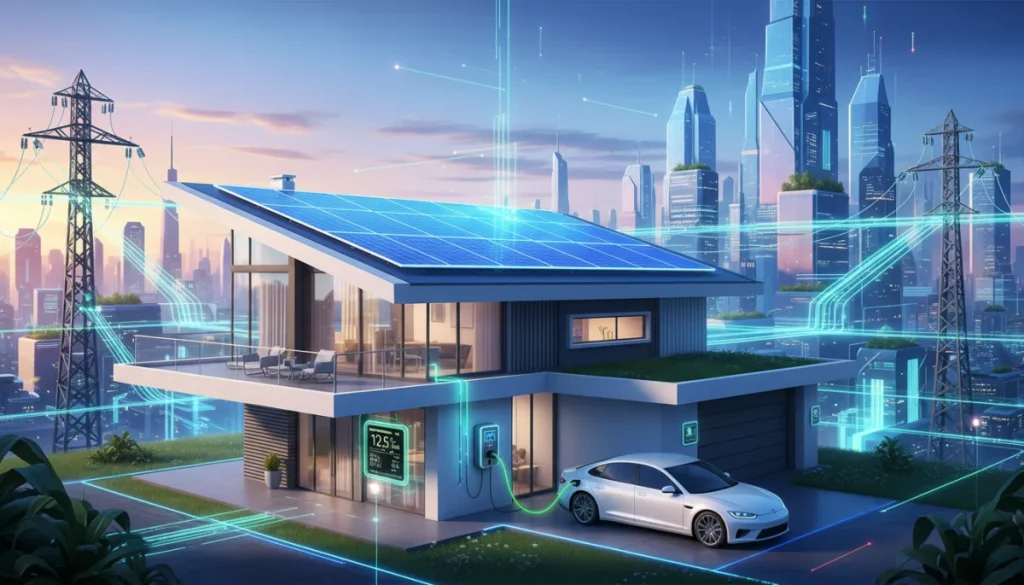
Distributed energy resources (DERs) will fundamentally reshape the US energy landscape by 2030, decentralizing power generation and distribution while enhancing grid resilience and consumer participation in a more sustainable future.
The energy sector is undergoing a profound transformation, shifting away from centralized power plants towards a more decentralized model. Distributed energy resources US by 2030 are set to revolutionize how power is generated, stored, and consumed, empowering individual homes and communities while bolstering grid resilience. This deep dive explores the exciting future of DERs and their comparative impact on the American energy landscape.
Anúncios
Understanding distributed energy resources (DERs)
Distributed energy resources (DERs) encompass a wide array of small-scale power generation and storage technologies located at or near the point of consumption. These systems offer a dynamic alternative to traditional, large-scale power plants, bringing energy production closer to where it is used. This proximity reduces transmission losses and enhances local energy independence.
The rise of DERs is driven by technological advancements, declining costs, and a growing desire for energy autonomy and sustainability. They represent a fundamental shift in energy infrastructure, moving towards a more resilient and responsive grid. By integrating various sources, DERs can provide a more robust energy supply.
Anúncios
Key components of DERs
DERs are not a single technology but a diverse ecosystem of energy solutions. Each component plays a crucial role in creating a more flexible and efficient energy system. Understanding these elements is vital to grasping the full potential of distributed energy.
- Solar photovoltaics (PV): Rooftop and community solar installations generate electricity directly from sunlight.
- Battery energy storage systems (BESS): These units store excess energy for later use, improving reliability and managing peak demand.
- Electric vehicles (EVs) and charging infrastructure: EVs can act as mobile energy storage, potentially feeding power back to the grid (Vehicle-to-Grid, V2G).
- Combined heat and power (CHP): Systems that generate electricity and useful heat from a single fuel source, maximizing efficiency.
- Demand response programs: Technologies and strategies that encourage consumers to reduce or shift their energy consumption during peak periods.
In conclusion, DERs are a multifaceted approach to energy production and management. Their collective impact promises to decentralize the grid, enhance local control, and pave the way for a cleaner energy future. This diverse portfolio allows for greater adaptability and responsiveness to changing energy demands and environmental conditions.
The evolving US energy landscape: 2024 vs. 2030
The current US energy landscape in 2024 is still largely dominated by centralized power generation, though DERs are steadily gaining traction. By 2030, this picture is expected to look significantly different, with distributed resources playing a much more prominent role. This transition is not merely incremental but represents a paradigm shift in how we conceive and manage energy.
This evolution is influenced by policy changes, technological innovations, and increasing consumer awareness regarding energy costs and environmental impact. The shift towards DERs is driven by both economic incentives and a growing commitment to sustainability. The next six years will be crucial in solidifying this transformation.
Drivers of DER growth
Several factors are accelerating the adoption of DERs across the United States. These drivers create a compelling case for their integration into the national energy strategy. Understanding these forces helps to predict the trajectory of DER expansion.
- Cost reductions: The decreasing cost of solar panels and battery storage makes DERs more economically viable for homeowners and businesses.
- Technological advancements: Improved efficiency, smart grid integration, and advanced control systems enhance DER performance and interoperability.
- Policy support: Federal and state incentives, tax credits, and regulatory frameworks encourage DER deployment and market participation.
- Resilience needs: DERs offer enhanced grid resilience against extreme weather events and cyberattacks, reducing reliance on a single point of failure.
Comparing 2024 to 2030 reveals a trajectory of rapid growth and integration for DERs. While 2024 sees DERs as an emerging trend, 2030 envisions them as an integral, foundational element of the US energy infrastructure. This progression signifies a mature and robust distributed energy ecosystem.
Impact on grid stability and resilience
One of the most critical aspects of the widespread adoption of DERs is their potential impact on grid stability and resilience. Traditionally, the grid has been designed for unidirectional power flow from large power plants to consumers. DERs introduce bidirectional flow and localized generation, which can both challenge and enhance grid operations.
Effective integration of DERs requires sophisticated grid management systems and advanced communication infrastructure. Without proper planning and technology, the influx of intermittent renewable generation could lead to instability. However, when managed intelligently, DERs can significantly strengthen the grid.
Challenges to grid stability
The decentralized nature of DERs presents certain operational challenges for grid operators. Managing thousands or millions of small, independent energy sources requires new approaches and technologies. These challenges must be addressed to unlock the full benefits of DER integration.
- Intermittency: Renewable DERs like solar and wind are dependent on weather conditions, leading to variable output.
- Voltage fluctuations: Localized generation can cause voltage swings if not properly managed, affecting power quality.
- Cybersecurity risks: A more connected and decentralized grid introduces more potential points of entry for cyber threats.
- Coordination complexity: Integrating and coordinating numerous DERs across different ownership models is a significant operational hurdle.
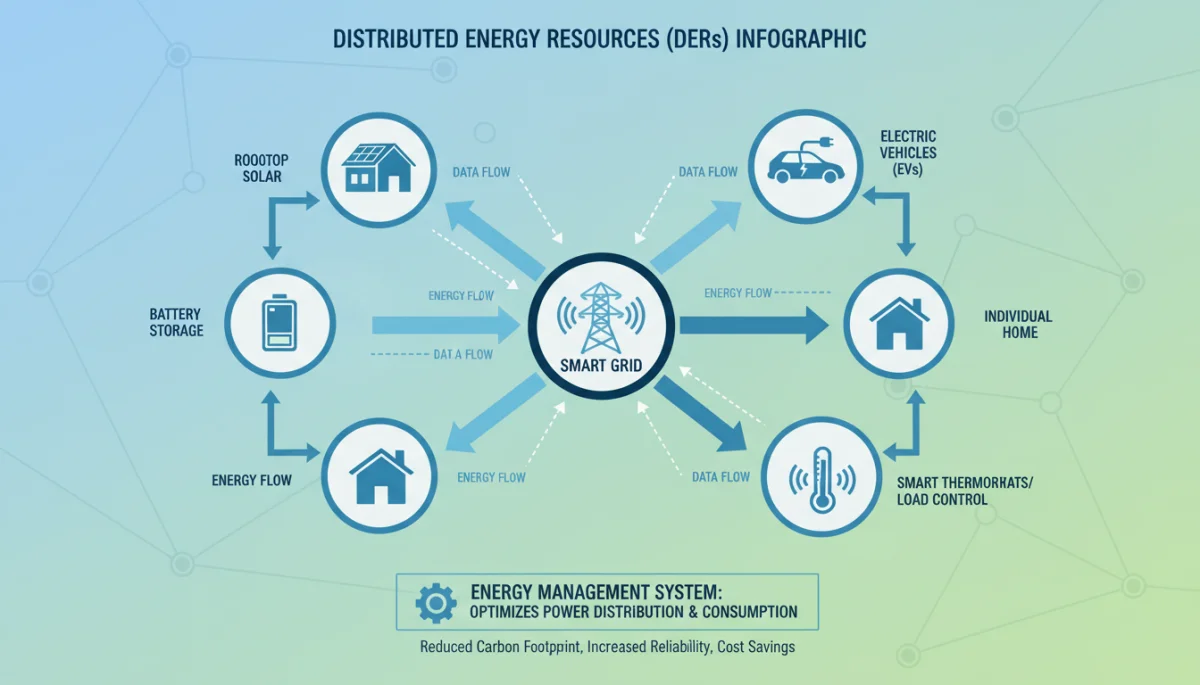
Conversely, DERs offer substantial benefits for grid resilience. During outages, microgrids powered by DERs can island themselves from the main grid, providing continuous power to critical loads. This capability is invaluable in disaster recovery and maintaining essential services. Moreover, DERs can reduce congestion on transmission lines and defer costly infrastructure upgrades by generating power closer to demand. The strategic deployment of battery storage within DERs can also help smooth out intermittency, storing excess energy when available and releasing it when needed, thereby improving overall grid stability. This intelligent orchestration transforms potential challenges into opportunities for a stronger, more adaptable grid.
Consumer empowerment and economic benefits
The shift towards distributed energy resources offers unprecedented opportunities for consumer empowerment. Homeowners and businesses are no longer passive recipients of electricity but active participants in the energy market. This change fosters a sense of ownership and control over energy consumption and production.
Economically, DERs can lead to significant savings and new revenue streams for consumers. By generating their own power, individuals can reduce or even eliminate their electricity bills. Furthermore, excess energy can often be sold back to the grid, transforming energy consumers into prosumers.
Direct economic advantages for consumers
The financial incentives associated with DER adoption are a major driving force for their growth. These benefits extend beyond simple bill reductions, creating a more dynamic and rewarding energy ecosystem for participants. The long-term savings and potential earnings make DERs an attractive investment.
- Reduced electricity bills: Self-generation lowers reliance on utility power, especially during peak pricing.
- Net metering and feed-in tariffs: Policies that compensate DER owners for electricity they export to the grid.
- Increased property value: Homes with solar panels and other DERs often command higher resale values.
- Energy independence: Less vulnerability to utility rate hikes and supply disruptions.
Beyond direct financial gains, DERs foster greater transparency and control over energy usage. Smart home technologies integrated with DERs allow consumers to monitor their consumption in real-time, optimize appliance usage, and make informed decisions about their energy habits. This level of empowerment not only saves money but also promotes a more sustainable lifestyle, aligning personal actions with broader environmental goals. The ability to manage energy proactively transforms the consumer experience from passive consumption to active participation, making them key players in the energy transition. This holistic approach ensures that economic benefits are coupled with environmental stewardship.
Regulatory frameworks and policy support
The successful integration and expansion of distributed energy resources by 2030 heavily depend on robust and adaptive regulatory frameworks. Current policies, often designed for a centralized grid, need to evolve to accommodate the complexities and opportunities presented by DERs. This adaptation is crucial for fostering innovation and ensuring equitable access.
Policymakers face the challenge of balancing traditional utility interests with the need to accelerate the clean energy transition. This involves creating market structures that fairly compensate DER owners for the value they provide to the grid, including resilience, reduced emissions, and avoided infrastructure costs. Clear and consistent regulatory signals are essential for attracting investment and driving deployment.
Key policy initiatives and challenges
A variety of policy mechanisms are being explored and implemented to support DER growth. However, significant hurdles remain in harmonizing these policies across different states and regions. The effectiveness of these initiatives will dictate the pace of DER adoption.
- Interconnection standards: Streamlining the process for connecting DERs to the grid, reducing complexity and costs.
- Performance-based regulation: Shifting utility incentives from capital expenditures to outcomes like grid reliability and DER integration.
- Community solar programs: Enabling renters and those with unsuitable rooftops to participate in solar energy generation.
- Grid modernization initiatives: Funding and policies aimed at upgrading grid infrastructure to handle bidirectional power flows and advanced control.
Navigating the regulatory landscape for DERs requires continuous dialogue among utilities, regulators, consumers, and technology providers. The goal is to create a dynamic environment that encourages innovation while ensuring grid stability and affordability for all. This collaborative approach is vital for overcoming existing barriers and unlocking the full potential of distributed energy resources. By establishing clear rules and incentives, policymakers can accelerate the transition to a more decentralized and sustainable energy future, benefiting both the environment and the economy.
Challenges and opportunities for widespread adoption
While the benefits of distributed energy resources are clear, their widespread adoption by 2030 is not without significant challenges. Overcoming these hurdles will require concerted effort from all stakeholders, including technological innovation, policy adjustments, and public engagement. Addressing these issues proactively is essential for realizing the full potential of DERs.
However, these challenges also present unique opportunities for innovation and economic growth. Developing new solutions for grid integration, cybersecurity, and market mechanisms can create new industries and jobs. The transition to a DER-centric grid is a complex undertaking, but one that promises substantial long-term rewards.
Overcoming adoption barriers
- Interoperability standards: Ensuring different DER technologies can communicate and operate seamlessly with the grid.
- Financing mechanisms: Developing accessible and affordable financing options for residential and commercial DER installations.
- Public awareness and education: Informing consumers about the benefits and practicalities of DER adoption.
- Workforce development: Training a skilled workforce to install, maintain, and manage DER systems.
The opportunities associated with widespread DER adoption are immense. Beyond environmental benefits, DERs can foster local economic development by creating jobs in manufacturing, installation, and maintenance. They can also enhance energy equity by providing access to clean energy for underserved communities. Furthermore, the data generated by DERs offers valuable insights for optimizing energy consumption and improving grid efficiency. By embracing these opportunities, the US can position itself as a leader in the global clean energy transition, demonstrating a sustainable and resilient energy model for the future. This forward-looking perspective is crucial for driving progress and innovation.
| Key Aspect | Description by 2030 |
|---|---|
| Grid Transformation | Shift to a more decentralized, bidirectional, and resilient energy network. |
| Consumer Role | Consumers become active ‘prosumers’ generating and managing their own energy. |
| Renewable Integration | Accelerated adoption of solar, storage, and other clean energy sources at local level. |
| Policy Evolution | Adaptive regulatory frameworks crucial for supporting DER growth and market participation. |
Frequently asked questions about DERs
DERs are small-scale power generation and storage technologies located close to consumers. Examples include rooftop solar panels, battery storage systems, and electric vehicles, which help decentralize the energy grid and enhance local power supply.
DERs can both challenge and enhance grid stability. While they introduce complexities like intermittency, intelligent integration through smart grid technologies can significantly improve resilience, reduce outages, and optimize power flow, making the grid more robust.
Consumers can experience reduced electricity bills, potential earnings from selling excess power back to the grid (net metering), and increased property values. DERs also provide greater energy independence and protection against rising utility rates.
Supportive policies, such as interconnection standards, performance-based regulation, and financial incentives, are crucial for accelerating DER deployment. Effective regulatory frameworks are essential to navigate challenges and foster a thriving DER market.
Challenges include ensuring interoperability among diverse technologies, developing accessible financing, educating the public, and building a skilled workforce. Overcoming these requires collaboration across industry, government, and communities to unlock DER potential.
Conclusion
The journey From Grid to Home: Analyzing the Future of Distributed Energy Resources in the US by 2030 reveals a transformative period for the nation’s energy sector. The widespread adoption of DERs promises a more resilient, sustainable, and consumer-centric energy landscape. While challenges in grid integration, policy adaptation, and market mechanisms remain, the opportunities for innovation, economic growth, and environmental stewardship are profound. By fostering collaboration and embracing technological advancements, the US can successfully navigate this transition, creating an energy future where power is not only cleaner but also more reliable and accessible for all.
