Prioritizing Well-being: 3 Essential Self-Care Practices for Americans in 2026
Anúncios
In 2026, Americans are urged to prioritize three essential self-care practices: mindful digital detox, cultivating genuine social connections, and integrating movement with nature for holistic well-being and resilience.
Anúncios
As we navigate the complexities of modern life, the importance of Prioritizing Well-being: 3 Essential Self-Care Practices for Americans in 2026 becomes clearer than ever. This guide offers actionable insights to help you foster resilience and achieve a balanced, fulfilling life.
The Evolving Landscape of American Well-being
The concept of well-being has significantly evolved, especially in the wake of rapid technological advancements and societal shifts. Americans in 2026 face unique challenges that necessitate a proactive approach to self-care, moving beyond superficial remedies to embrace deeper, more sustainable practices.
Anúncios
Understanding these contemporary pressures is the first step toward effective self-care. The relentless pace of information, the blurring lines between work and personal life, and the constant digital connectivity all contribute to a collective sense of overwhelm. Recognizing these factors allows us to tailor self-care strategies that genuinely address our modern needs.
The Impact of Digital Overload
Our always-on culture, while offering unparalleled convenience, often comes at a cost to our mental and emotional health. The constant influx of notifications, emails, and social media updates can lead to increased anxiety, reduced attention spans, and a pervasive feeling of being perpetually busy.
- Cognitive Strain: Multitasking across digital platforms can deplete mental energy.
- Emotional Fatigue: Constant exposure to curated online lives can foster comparison and inadequacy.
- Sleep Disruption: Blue light from screens interferes with natural sleep cycles.
Addressing digital overload is not about abandoning technology entirely, but rather about intentional engagement. It’s about creating boundaries and carving out dedicated time for disconnection, fostering a healthier relationship with our devices.
Societal Pressures and Personal Growth
Beyond digital influences, Americans also contend with societal expectations regarding productivity and success. This often translates into neglecting personal needs in favor of professional or familial obligations, leading to burnout. Prioritizing well-being is a radical act in a society that often glorifies constant striving.
The evolving landscape demands a re-evaluation of what truly constitutes a good life. It’s about understanding that personal growth is not just about career milestones, but also about emotional intelligence, resilience, and the capacity for joy. Self-care practices serve as the bedrock for achieving this holistic form of personal growth.
Practice 1: Mindful Digital Detox and Intentional Connectivity
In an age where our lives are inextricably linked to digital devices, the first essential self-care practice for Americans in 2026 is a mindful digital detox coupled with intentional connectivity. This isn’t about shunning technology, but rather about consciously managing its role in our lives to prevent burnout and reclaim mental space.
The goal is to foster a healthier relationship with our devices, where we dictate when and how we engage, rather than being passively controlled by notifications and endless feeds. This practice cultivates presence and reduces the constant mental chatter that digital overload often brings.
Setting Clear Digital Boundaries
Establishing boundaries is crucial for a successful digital detox. This involves specific times or days when devices are put away, creating ‘screen-free zones’ in the home, and disabling non-essential notifications. These small, consistent actions can significantly reduce digital dependency.
- Scheduled Disconnection: Designate specific hours each day or a full day each week as completely screen-free.
- Notification Management: Turn off all non-essential notifications to minimize interruptions and maintain focus.
- Device-Free Zones: Establish areas like bedrooms or dining tables as zones where digital devices are not permitted.
By actively managing our digital intake, we create opportunities for other, more enriching activities. This proactive approach helps to reset our attention spans and improve our ability to concentrate on tasks that require sustained focus.
Practicing Intentional Online Engagement
Intentional connectivity means using digital platforms with purpose, rather than mindlessly scrolling. It involves asking ourselves why we are engaging with a particular app or website and whether it aligns with our values and well-being goals. This mindful approach transforms our online experience.
This practice also extends to curating our digital environments. Unfollow accounts that trigger negative emotions, engage with content that inspires and educates, and use social media to genuinely connect with loved ones rather than just consuming content. The quality of our online interactions profoundly impacts our mental state.
Practice 2: Cultivating Genuine Social Connections
The second indispensable self-care practice for Americans in 2026 focuses on cultivating genuine social connections. Despite living in an increasingly interconnected world, many experience profound loneliness. True well-being is deeply intertwined with the quality of our relationships, moving beyond superficial interactions to foster deep, meaningful bonds.
Authentic connections provide emotional support, a sense of belonging, and opportunities for shared experiences that enrich our lives. Prioritizing these relationships is a powerful antidote to isolation and contributes significantly to mental resilience and happiness.
Prioritizing In-Person Interactions
While digital communication has its place, nothing replaces the richness of in-person interactions. Making time for face-to-face meetings, whether with family, friends, or community members, strengthens bonds and allows for non-verbal cues that are often lost in digital exchanges.
- Regular Meet-ups: Schedule consistent gatherings with friends and family, even if just for a coffee or a walk.
- Community Involvement: Join local clubs, volunteer groups, or interest-based organizations to meet like-minded individuals.
- Active Listening: During conversations, practice active listening to show genuine interest and deepen the connection.
These efforts might require a conscious shift in priorities, but the psychological benefits are immense. Feeling seen, heard, and valued by others is fundamental to human well-being and reduces feelings of anxiety and depression.
Nurturing Existing Relationships
Beyond forming new connections, it’s vital to actively nurture the relationships we already have. This involves regular check-ins, offering support when needed, and celebrating successes together. Small gestures of care and appreciation can go a long way in strengthening existing bonds.
Conflict resolution and open communication are also key components of healthy relationships. Learning to navigate disagreements constructively and express our needs honestly contributes to more resilient and fulfilling connections. Investing time and effort into these relationships is an investment in our own well-being.
Practice 3: Integrating Movement with Nature
The third essential self-care practice for Americans in 2026 is the integration of physical movement with exposure to nature. This powerful combination offers a dual benefit, addressing both our physical health and our innate need for connection with the natural world. Sedentary lifestyles and disconnection from nature are growing concerns, making this practice particularly vital.
Spending time outdoors, especially while engaging in physical activity, has been shown to reduce stress, improve mood, and enhance cognitive function. It’s a holistic approach that rejuvenates both body and mind, acting as a powerful buffer against the demands of modern life.
The Benefits of Outdoor Exercise
Moving our bodies in natural environments provides advantages that indoor workouts often lack. The fresh air, natural light, and varied terrain stimulate our senses and offer a more engaging experience. Activities like hiking, cycling, or simply walking in a park can significantly boost overall well-being.
- Stress Reduction: Exposure to green spaces lowers cortisol levels and promotes relaxation.
- Mood Enhancement: Natural light boosts serotonin production, improving mood and combating seasonal affective disorder.
- Improved Focus: ‘Green exercise’ has been linked to enhanced attention and reduced mental fatigue.
Even short bursts of outdoor activity can make a difference. Incorporating a daily walk in a local park or taking a weekend hike can be transformative. The key is consistency and making nature-based movement a regular part of your routine.
Mindful Engagement with Natural Environments
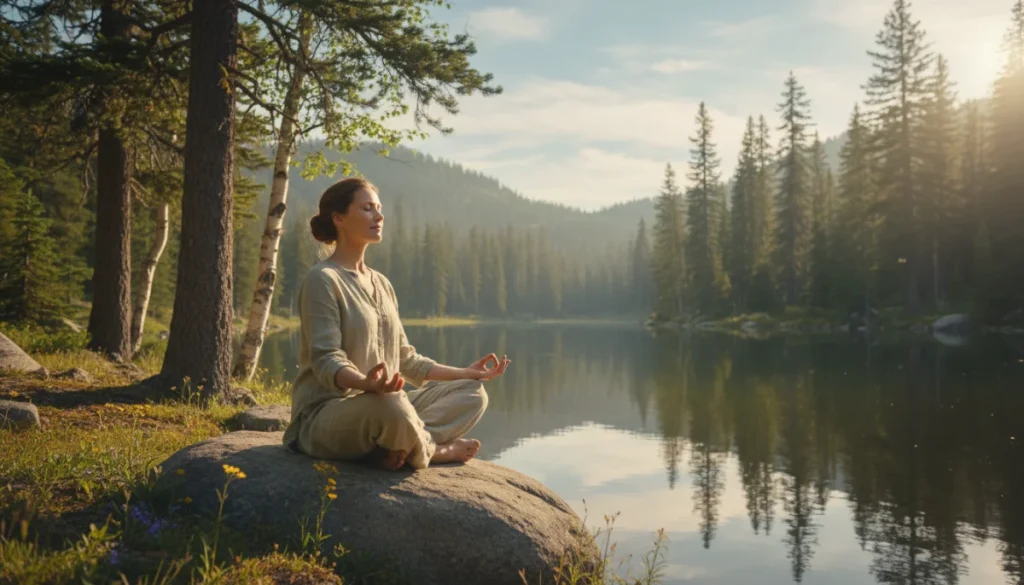
Beyond just physical movement, it’s important to engage mindfully with nature. This means paying attention to the sounds, sights, and smells of the natural world around us, fostering a deeper connection. Practices like forest bathing, where one immerses themselves in the atmosphere of the forest, exemplify this mindful approach.
Even in urban settings, seeking out green spaces like city parks or community gardens can provide significant benefits. Cultivating a small garden, even on a balcony, can offer a daily dose of nature and a sense of grounding. This mindful interaction helps to quiet the mind and reconnect us with the rhythms of the earth.
Overcoming Barriers to Self-Care in 2026
While the benefits of self-care are undeniable, implementing these practices consistently can be challenging amidst demanding schedules and societal expectations. Many Americans struggle with feelings of guilt when prioritizing their own needs, viewing self-care as a luxury rather than a necessity.
Addressing these internal and external barriers is crucial for sustained well-being. It requires a shift in mindset, recognizing that self-care is not selfish, but rather a vital component of being able to show up fully for ourselves and others. It’s about sustainable living, not just surviving.
Time Constraints and Prioritization
One of the most frequently cited barriers to self-care is a perceived lack of time. In a culture that often equates busyness with importance, carving out moments for personal well-being can feel like an indulgence. However, effective self-care doesn’t always require large blocks of time; small, consistent actions can be highly impactful.
Prioritizing self-care means scheduling it into your day just like any other important appointment. It might involve waking up 15 minutes earlier for mindful meditation or taking a short walk during a lunch break. The key is to integrate these practices rather than treating them as add-ons.
Shifting Mindsets and Societal Support
Overcoming the stigma associated with self-care requires a collective shift in mindset. Encouraging open conversations about mental health and well-being, both in workplaces and communities, can foster environments where self-care is not just accepted but actively promoted. Leaders and organizations have a role to play in normalizing these practices.
For individuals, it’s about giving ourselves permission to rest, recharge, and pursue activities that bring us joy and peace. Challenging the internal critic that whispers ‘you should be doing more’ is a continuous process that builds resilience and self-compassion. This mental shift is as important as the actions themselves.
Measuring the Impact of Self-Care Practices
To truly understand the value of Prioritizing Well-being: 3 Essential Self-Care Practices for Americans in 2026, it’s helpful to consider how we can measure their impact. While some benefits are qualitative, like increased happiness or reduced stress, others can be observed through improved sleep patterns, enhanced productivity, and stronger relationships.
Regular reflection on our self-care journey allows us to identify what works best for us and make necessary adjustments. This iterative process ensures that our self-care strategies remain relevant and effective, adapting to our evolving needs and circumstances.
Personal Reflection and Journaling
One of the simplest yet most powerful ways to measure impact is through personal reflection and journaling. Regularly noting how certain self-care practices affect your mood, energy levels, and overall outlook can provide invaluable insights. This personal data helps to reinforce positive habits and identify areas for improvement.
Consider tracking specific metrics, such as hours of sleep, minutes spent outdoors, or the frequency of genuine social interactions. While not exhaustive, these indicators can offer a tangible sense of progress and motivation. The act of journaling itself can also be a therapeutic self-care practice.
Feedback from Others and Professional Guidance
Sometimes, the impact of our self-care practices is noticeable to those around us before it is fully apparent to ourselves. Feedback from friends, family, or colleagues about positive changes in our demeanor or energy can be a powerful affirmation. These external observations provide valuable perspectives on our progress.
For deeper insights or if struggling with persistent challenges, seeking professional guidance from therapists, coaches, or healthcare providers can be highly beneficial. They can offer personalized strategies and tools to optimize self-care practices, ensuring a holistic and sustainable approach to well-being.
| Key Practice | Brief Description |
|---|---|
| Mindful Digital Detox | Consciously managing screen time and online engagement to reduce cognitive overload. |
| Genuine Social Connections | Prioritizing face-to-face interactions and nurturing meaningful relationships. |
| Movement with Nature | Integrating physical activity with time spent in natural environments for holistic health. |
Frequently Asked Questions About Self-Care in 2026
Increased digital integration, societal pressures, and a fast-paced lifestyle contribute to higher stress levels. Prioritizing self-care is essential to counteract these modern challenges, fostering mental resilience and overall well-being in a rapidly evolving world.
Begin by setting small, achievable boundaries. Designate specific screen-free times or areas in your home. Turn off non-essential notifications and be intentional about your online interactions. Gradually increase periods of disconnection to build sustained habits.
This combination offers dual benefits: physical health from exercise and mental rejuvenation from nature exposure. It reduces stress, improves mood, enhances cognitive function, and provides a deeper sense of grounding than indoor activities alone.
Prioritize in-person interactions by scheduling regular meet-ups, joining community groups, and practicing active listening. Focus on nurturing existing relationships through consistent check-ins and open communication, valuing quality over quantity in your social circle.
Self-care is a necessary component of holistic health, not a selfish act. By prioritizing your own well-being, you become more resilient, productive, and capable of supporting others. It’s about replenishing your resources to avoid burnout and lead a more fulfilling life.
Conclusion
As we look towards 2026, the call to embrace Prioritizing Well-being: 3 Essential Self-Care Practices for Americans in 2026 resonates more strongly than ever. Mindful digital detox, cultivating genuine social connections, and integrating movement with nature are not merely trends but foundational pillars for a healthier, more resilient society. By intentionally weaving these practices into our daily lives, we can navigate the complexities of modern existence with greater ease, fostering personal growth and a profound sense of well-being that extends far beyond individual benefits, impacting our communities and future generations.
