Biotechnology’s Next Frontier: 5 Medical Innovations for US Market by 2027
Anúncios
Biotechnology’s next frontier is rapidly approaching, with five medical innovations poised for US market launch by 2027, promising to revolutionize treatment paradigms and significantly improve patient outcomes across various health conditions.
Anúncios
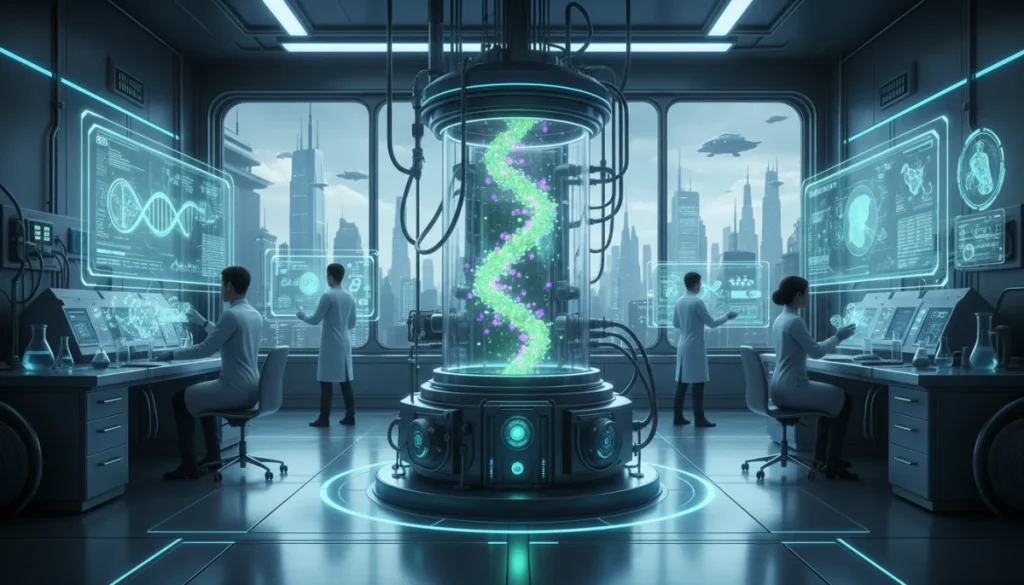
The landscape of healthcare is on the cusp of an unprecedented transformation, driven by rapid advancements in biotechnology. We are not just talking about incremental improvements; we are witnessing a paradigm shift. The phrase Biotechnology’s Next Frontier: 5 Medical Innovations Poised for US Market Launch by 2027 encapsulates the exciting developments that promise to redefine treatment, diagnosis, and patient care.
The Dawn of Precision Medicine and Gene Therapies
Precision medicine, a revolutionary approach that tailors medical treatment to the individual characteristics of each patient, is at the forefront of biotechnology innovation. This method considers genetic makeup, lifestyle, and environment, moving beyond the traditional ‘one-size-fits-all’ approach to healthcare.
Anúncios
Gene therapies, a cornerstone of precision medicine, are designed to treat or prevent disease by modifying a person’s genes. These therapies can involve replacing a mutated gene with a healthy copy, inactivating a problematic gene, or introducing a new gene to fight disease.
Targeted Gene Editing for Genetic Disorders
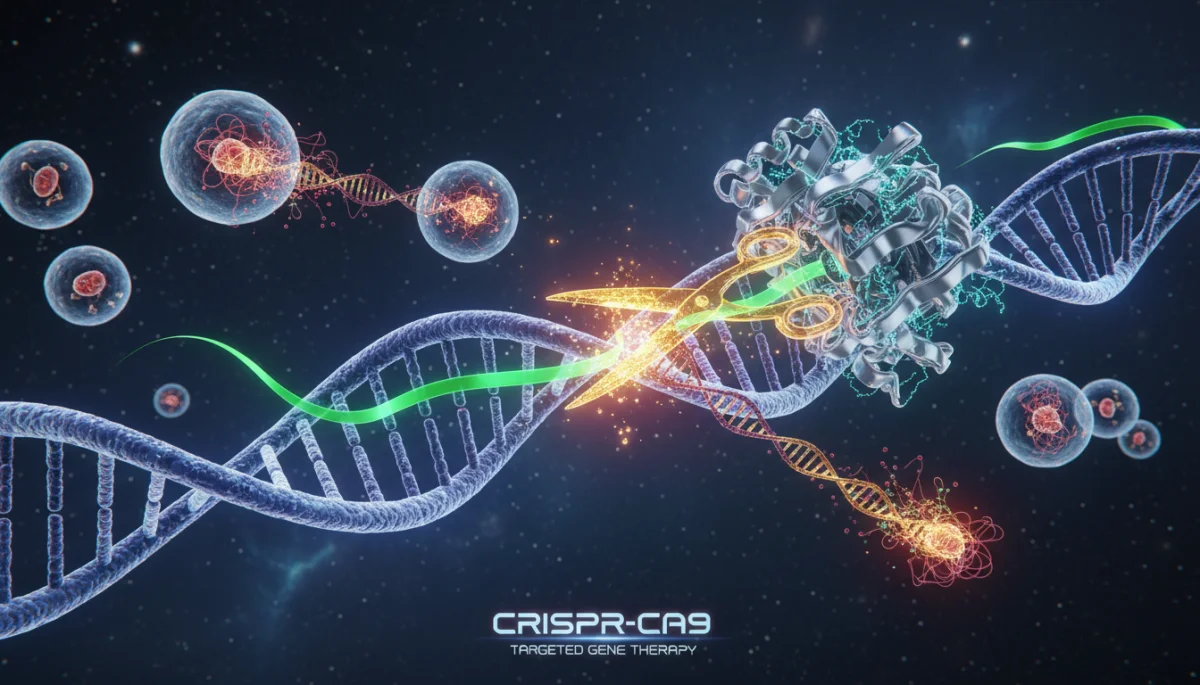
One of the most promising areas is targeted gene editing, particularly with technologies like CRISPR-Cas9. This innovation allows for highly precise modifications to DNA, offering potential cures for previously untreatable genetic conditions.
- Cystic Fibrosis: New gene-editing therapies aim to correct the underlying genetic defect responsible for cystic fibrosis, offering a long-term solution rather than just symptom management.
- Sickle Cell Disease: Clinical trials are showing remarkable success in modifying hematopoietic stem cells to produce healthy red blood cells, potentially curing sickle cell disease.
- Huntington’s Disease: Research is advancing on therapies that could silence the mutated gene responsible for Huntington’s, slowing or even halting disease progression.
The development of these targeted gene-editing tools represents a significant leap forward. They promise to move beyond conventional treatments, offering the prospect of a single intervention that could fundamentally alter the course of a disease.
As these technologies mature, their integration into mainstream medical practice by 2027 could dramatically change the lives of millions. The regulatory pathways are being streamlined, and manufacturing processes are scaling up, making these once-futuristic treatments a near-term reality.
Advanced mRNA Vaccine and Therapeutic Platforms
The success of mRNA vaccines during recent global health crises has opened the floodgates for a new era of mRNA-based therapeutics. Beyond infectious diseases, mRNA technology is being adapted for cancer treatments, autoimmune disorders, and even genetic conditions.
mRNA platforms offer several advantages, including rapid development, flexible manufacturing, and the ability to encode for multiple antigens or proteins. This versatility makes them ideal candidates for addressing a wide range of medical challenges.
mRNA for Cancer Immunotherapy
Personalized mRNA cancer vaccines are emerging as a game-changer. These vaccines are custom-designed for each patient, based on the unique genetic mutations found in their tumor.
- Melanoma: Early clinical trials have shown promising results in preventing recurrence and improving survival rates in high-risk melanoma patients when personalized mRNA vaccines are combined with checkpoint inhibitors.
- Pancreatic Cancer: Researchers are exploring mRNA vaccines to stimulate immune responses against notoriously difficult-to-treat cancers like pancreatic cancer, aiming to turn ‘cold’ tumors ‘hot’ for immune attack.
- Colorectal Cancer: mRNA technology is being investigated to target specific markers on colorectal cancer cells, potentially leading to more effective and less toxic treatments.
The ability to rapidly design and produce mRNA therapeutics means that treatments can be tailored to individual patient needs, potentially leading to more effective and less toxic interventions. The scalability of mRNA production also suggests that these therapies could become more widely accessible in the coming years.
By 2027, we anticipate several mRNA cancer vaccines and therapies to be closer to or on the US market, offering new hope for patients with various malignancies. This represents a significant shift from broad-spectrum chemotherapy to highly precise immunological approaches.
Revolutionary Cell-Based Therapies for Degenerative Diseases
Cell-based therapies involve introducing new, healthy cells into a patient’s body to replace or repair damaged ones. This field is experiencing rapid growth, particularly for degenerative diseases where current treatments often only manage symptoms.
Stem cell therapies, in particular, hold immense promise due to the unique ability of stem cells to differentiate into various cell types and regenerate tissues. These therapies are being explored for a multitude of conditions affecting organs and systems throughout the body.
Stem Cell Applications in Neurological Disorders
Neurological disorders, such as Parkinson’s disease and spinal cord injuries, are areas where cell-based therapies could offer transformative solutions by repairing damaged neural pathways.
Stem cells can be programmed to become specific types of neurons, which can then be transplanted into affected areas of the brain or spinal cord.
- Parkinson’s Disease: Clinical trials are underway to transplant dopamine-producing neurons derived from stem cells into the brains of Parkinson’s patients, aiming to restore motor function.
- Spinal Cord Injury: Stem cell transplantation is being explored to promote nerve regeneration and improve functional recovery after spinal cord injuries, potentially restoring mobility and sensation.
- Alzheimer’s Disease: While still in early stages, stem cell research aims to replace damaged brain cells and reduce neuroinflammation associated with Alzheimer’s.
The potential for cell-based therapies to regenerate damaged tissues and restore lost functions is truly remarkable. These therapies could offer not just symptom relief but a genuine reversal of disease progression in many degenerative conditions.
As research progresses and clinical trials yield positive outcomes, we expect to see more cell-based therapies gaining FDA approval and becoming available to patients in the US by 2027, ushering in a new era of regenerative medicine.
AI-Powered Drug Discovery and Development
Artificial intelligence (AI) is fundamentally changing the pharmaceutical landscape, accelerating drug discovery and development at an unprecedented pace. AI algorithms can analyze vast datasets, identify potential drug candidates, and predict their efficacy and toxicity with remarkable accuracy.
This integration of AI significantly reduces the time and cost associated with bringing new drugs to market. It also allows researchers to explore novel therapeutic targets and design more effective compounds.
Accelerating Therapeutic Pipelines with AI
AI’s ability to process and interpret complex biological data is invaluable in identifying promising molecules and optimizing their properties.
From identifying novel drug targets to designing molecules with desired characteristics, AI streamlines every stage of the drug development process.
- De Novo Drug Design: AI can generate entirely new molecular structures that are optimized for specific targets, leading to novel drug candidates that might not be discovered through traditional methods.
- Repurposing Existing Drugs: AI algorithms can identify new therapeutic uses for existing approved drugs, significantly shortening the development timeline for new indications.
- Clinical Trial Optimization: AI helps in selecting appropriate patient cohorts, predicting trial outcomes, and identifying potential adverse events, making clinical trials more efficient and successful.
The synergy between AI and biotechnology is creating a powerful engine for innovation. This collaboration is set to deliver a pipeline of new drugs and therapies that are more effective, safer, and developed faster than ever before.
By 2027, AI-powered drug discovery will likely have led to several new therapeutic agents entering clinical use in the US, particularly in areas like oncology and rare diseases, where traditional methods have struggled.
Next-Generation Diagnostics and Biosensors
The future of healthcare is also heavily reliant on early and accurate diagnosis. Next-generation diagnostics and biosensors are poised to revolutionize how diseases are detected, monitored, and managed, often before symptoms even appear.
These innovations leverage advanced biotechnology to provide highly sensitive, specific, and often non-invasive ways to gather crucial health information. They promise to shift the paradigm from reactive treatment to proactive prevention and personalized management.
Liquid Biopsies for Early Cancer Detection
Liquid biopsies, which detect cancer from a simple blood sample, are among the most exciting diagnostic advancements. They offer a non-invasive alternative to traditional tissue biopsies and can detect cancer at very early stages.
- Circulating Tumor DNA (ctDNA): Liquid biopsies can detect fragments of tumor DNA in the bloodstream, allowing for early cancer detection, monitoring treatment response, and identifying minimal residual disease.
- Exosomes: These tiny vesicles released by cells, including cancer cells, can be analyzed from blood samples to provide insights into tumor biology and progression.
- Protein Biomarkers: Advanced biosensors are being developed to detect specific protein biomarkers in blood or other bodily fluids, indicating the presence of cancer or other diseases.
The ability to detect diseases like cancer at their earliest stages through simple, non-invasive tests significantly improves treatment outcomes and patient survival rates. These advanced diagnostics also allow for more precise monitoring of disease progression and treatment effectiveness.
By 2027, we can expect to see widespread adoption of these next-generation diagnostics in clinical practice in the US, enabling earlier interventions and more personalized treatment strategies across a range of conditions, not just cancer.
| Key Innovation | Brief Description |
|---|---|
| Precision Gene Therapies | Targeted gene editing for genetic disorders like cystic fibrosis and sickle cell disease. |
| mRNA Therapeutics | Advanced mRNA platforms for personalized cancer vaccines and other treatments. |
| Cell-Based Therapies | Regenerative treatments using stem cells for neurological and degenerative diseases. |
| AI Drug Discovery | AI accelerating the identification and development of new drug candidates. |
Frequently Asked Questions About Biotechnology Innovations
The primary goal of precision medicine is to tailor medical treatment to the individual characteristics of each patient. This approach considers genetic makeup, lifestyle, and environment to provide more effective and personalized care, moving beyond generalized treatment strategies.
mRNA therapeutics deliver genetic instructions (mRNA) to cells to produce specific proteins, which then trigger an immune response or therapeutic effect. Unlike traditional vaccines that introduce weakened or inactive pathogens, mRNA platforms offer faster development and greater flexibility for various applications, including cancer.
Cell-based therapies hold promise for treating a wide range of degenerative diseases, including neurological disorders like Parkinson’s and Alzheimer’s, spinal cord injuries, and certain cardiovascular conditions. They aim to repair or replace damaged cells and tissues, offering regenerative potential.
AI significantly accelerates drug discovery by analyzing vast datasets to identify potential drug candidates, predict their efficacy and toxicity, and optimize molecular structures. This speeds up the development pipeline, reduces costs, and helps identify novel therapeutic targets more efficiently than traditional methods.
Liquid biopsies are non-invasive diagnostic tests that detect disease markers, such as circulating tumor DNA, from a simple blood sample. Their significance lies in enabling early disease detection, monitoring treatment response, and identifying minimal residual disease, particularly in cancer, often before symptoms appear.
Conclusion
The rapid evolution of biotechnology is ushering in an era of unprecedented medical innovation, with several groundbreaking advancements poised to enter the US market by 2027. From the precision of gene therapies and the versatility of mRNA platforms to the regenerative power of cell-based treatments, the future of medicine promises more personalized, effective, and less invasive solutions. Coupled with the transformative impact of AI in drug discovery and next-generation diagnostics, these innovations collectively represent a monumental leap forward in our ability to prevent, diagnose, and treat a wide array of diseases. As these technologies become more accessible, they will undoubtedly redefine healthcare and offer renewed hope for patients across the nation.
