Embracing Imperfection: A 2026 Mindset Shift for Personal Acceptance
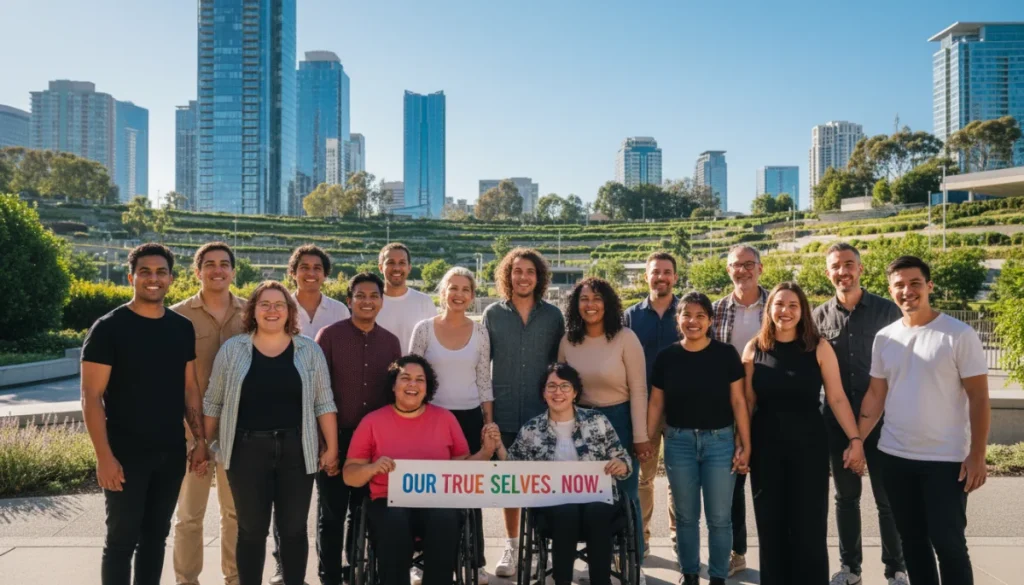
Anúncios
Embracing imperfection in 2026 marks a profound mindset shift crucial for fostering personal acceptance and enhancing overall well-being across the United States.
Anúncios
In an era often dominated by curated perfection and unattainable standards, the concept of embracing imperfection mindset is gaining significant traction in the United States. This profound shift encourages individuals to acknowledge, accept, and even celebrate their flaws as integral parts of their identity, paving the way for deeper personal acceptance and authentic living.
Understanding the Imperfection Revolution in 2026
The year 2026 marks a pivotal moment in the collective consciousness, where the relentless pursuit of flawlessness is being challenged by a growing movement towards authenticity. This revolution isn’t about giving up on self-improvement, but rather redefining what improvement truly means. It’s about building resilience and finding peace in who we are, right now.
Anúncios
For decades, societal pressures, amplified by digital platforms, have propagated an image of an ideal self—a flawless, ever-achieving individual. However, this narrative has proven unsustainable, leading to widespread anxiety, self-doubt, and mental health challenges. The current shift is a direct response to these pressures, offering a more compassionate and realistic path to well-being.
The Genesis of a New Mindset
- Digital Detox Impact: A growing trend of intentional disengagement from social media’s highlight reels has highlighted the detrimental effects of constant comparison.
- Mental Health Advocacy: Increased awareness and open conversations around mental health have normalized discussions about vulnerability and human fallibility.
- Cultural Evolution: A broader cultural movement towards inclusivity and diversity naturally extends to accepting individual differences, including perceived imperfections.
This foundational shift is not merely a trend but a fundamental re-evaluation of what constitutes a fulfilling life. It encourages introspection and a re-calibration of personal values, moving away from external validation towards internal peace.
Ultimately, understanding this revolution means recognizing that true strength often lies not in the absence of flaws, but in the courage to acknowledge and integrate them into our self-narrative. It’s about cultivating a mindset that values growth over static perfection.
The Psychological Benefits of Embracing Imperfection
Adopting an imperfection-embracing mindset offers a cascade of psychological benefits that profoundly impact an individual’s mental and emotional well-being. Moving away from self-criticism opens doors to greater self-compassion and inner peace.
Psychologists and researchers are increasingly highlighting how this shift can mitigate the effects of imposter syndrome, reduce anxiety, and foster a more stable sense of self-worth. When we stop fighting against our perceived flaws, we free up immense mental energy that can be redirected towards constructive self-development and genuine connection.
Reducing Self-Criticism and Anxiety
- Enhanced Self-Compassion: Treating oneself with kindness and understanding, especially during moments of failure or perceived inadequacy.
- Decreased Social Anxiety: Less fear of judgment from others, as the individual is already at peace with their own imperfections.
- Improved Resilience: The ability to bounce back from setbacks, viewing them as learning opportunities rather than definitive failures.
This mindset shift also cultivates a more realistic self-perception, grounding individuals in their authentic experiences rather than an idealized version of themselves. This realism is a powerful antidote to the often-debilitating pressure of perfectionism.
The psychological liberation that comes with embracing imperfection allows individuals to engage more fully with life, take calculated risks, and form deeper, more authentic relationships. It’s a journey towards self-acceptance that redefines personal success and happiness.
Practical Strategies for Cultivating Self-Acceptance
Translating the concept of embracing imperfection into daily practice requires deliberate effort and a set of actionable strategies. It’s not an overnight transformation but a gradual process of retraining our internal dialogue and habits.
Starting small and consistently applying these methods can lead to significant changes in how we perceive ourselves and interact with the world. The goal is to build a robust foundation of self-acceptance that withstands external pressures and internal doubts.
Mindfulness and Self-Compassion Practices
- Daily Mindfulness Meditation: Dedicate time each day to observe thoughts and feelings without judgment, fostering present-moment awareness.
- Self-Compassion Journaling: Write down self-critical thoughts and then reframe them with a compassionate perspective, as you would a dear friend.
- Body Scan Meditation: Pay attention to physical sensations throughout the body, accepting them without trying to change or fix anything.
Beyond these internal practices, it’s crucial to evaluate and adjust external influences. This might involve curating social media feeds, setting boundaries in relationships, and seeking out environments that foster acceptance rather than judgment.


Another powerful strategy involves reframing failures as learning opportunities. Instead of dwelling on mistakes, analyze what went wrong, identify lessons learned, and plan for future improvements without attaching self-worth to the outcome. This iterative approach cultivates a growth mindset, which is inherently tolerant of imperfection.
These practical steps, when consistently applied, empower individuals to navigate the complexities of life with greater ease and self-assurance, fostering a genuine sense of personal acceptance that resonates deeply.
Challenging Societal Norms and External Pressures
Embracing imperfection in 2026 often means actively challenging entrenched societal norms and resisting the pervasive external pressures that dictate what ‘perfect’ should look like. This is a courageous act of self-assertion, moving beyond the dictates of popular culture and media.
The landscape of expectations, particularly in the US, is heavily influenced by consumerism and aspirational advertising, which often create a sense of inadequacy. To truly accept oneself, one must learn to critically evaluate these messages and forge an independent path.
Navigating the Digital Landscape
- Curated Social Feeds: Unfollow accounts that trigger feelings of inadequacy or comparison; follow those that promote body positivity and authentic living.
- Mindful Media Consumption: Be conscious of how media portrays success and beauty, recognizing the often-unrealistic standards presented.
- Digital Boundaries:1 Set limits on screen time and engage in digital detox periods to reduce exposure to external pressures.
Beyond digital influences, real-world interactions also play a significant role. Learning to say ‘no’ to commitments that don’t align with personal values, and surrounding oneself with supportive individuals who celebrate authenticity, are vital steps.
This process of challenging norms is not about rebellion for its own sake, but about constructing a personal reality where self-worth is internally derived, rather than externally validated. It’s about reclaiming agency over one’s self-perception.
By consciously resisting the pull of external perfection and cultivating an internal compass, individuals can build a robust sense of self-acceptance that is resilient to fleeting trends and societal expectations.
The Role of Community and Support Systems
While embracing imperfection is a deeply personal journey, the role of community and robust support systems cannot be overstated. Sharing experiences and vulnerabilities within a trusted group can significantly accelerate and deepen the process of self-acceptance.
In 2026, there’s a growing recognition of the power of collective vulnerability. Communities, both online and offline, are forming around the shared goal of authentic living, providing safe spaces for individuals to shed their masks and be truly seen.
Building Authentic Connections
- Support Groups: Joining or forming groups focused on self-acceptance, mental wellness, or specific challenges where vulnerability is encouraged.
- Therapeutic Relationships: Engaging with mental health professionals who can provide tools and guidance for navigating self-criticism and fostering acceptance.
- Trusted Friends and Family: Cultivating relationships with individuals who offer unconditional support and celebrate one’s authentic self.
These support systems provide a crucial mirror, reflecting back a more compassionate and realistic image of oneself than an individual might be able to perceive alone. They offer validation, empathy, and practical advice.
Furthermore, contributing to these communities by sharing one’s own journey can be incredibly empowering. It reinforces the idea that imperfection is a universal human experience, reducing feelings of isolation and shame.
Ultimately, community serves as a vital anchor in the journey of embracing imperfection, providing the encouragement and understanding necessary to sustain this transformative mindset shift over the long term.
Future Outlook: Sustaining the Imperfection Mindset Beyond 2026
The shift towards embracing imperfection in 2026 is not a temporary fad but a foundational change with lasting implications for personal growth and societal well-being. Sustaining this mindset requires ongoing commitment and adaptation.
As we move beyond 2026, the challenge will be to integrate these principles so deeply into our educational systems, workplaces, and cultural narratives that they become the norm, rather than an alternative. This requires a proactive approach from individuals and institutions alike.
Long-Term Integration Strategies
- Educational Reforms: Incorporating self-compassion and resilience training into school curricula from an early age.
- Workplace Culture: Fostering environments that prioritize psychological safety, allowing for experimentation and learning from mistakes without fear of severe repercussion.
- Media Representation: Advocating for more diverse and realistic portrayals of individuals in media, celebrating authentic human experiences.
The future of personal acceptance hinges on our ability to continually reinforce the value of imperfection. This means actively challenging new forms of perfectionism that may emerge and consistently advocating for a more humane approach to self-development.
Individuals can contribute by mentoring others, sharing their own stories of growth through imperfection, and championing policies that support mental health and authentic expression. This collective effort ensures that the seeds planted in 2026 continue to flourish.
Sustaining the imperfection mindset means committing to a lifelong journey of self-discovery and acceptance, recognizing that true progress is often messy, non-linear, and deeply human.
| Key Aspect | Brief Description |
|---|---|
| Mindset Shift | Moving from perfectionism to accepting flaws for well-being. |
| Psychological Benefits | Reduces anxiety, boosts self-compassion, and enhances resilience. |
| Practical Strategies | Mindfulness, journaling, and reframing failures as learning. |
| Community Support | Building authentic connections and seeking therapeutic guidance. |
Frequently Asked Questions About Embracing Imperfection
It means acknowledging and accepting your flaws, mistakes, and vulnerabilities as natural parts of being human, rather than striving for an unrealistic ideal of perfection. It’s about self-compassion and finding peace with who you are.
Embracing imperfection significantly reduces anxiety, stress, and self-criticism. It fosters greater self-esteem, resilience, and emotional well-being by removing the constant pressure to be flawless, leading to a healthier psychological state.
No, it’s not about complacency. It’s about separating self-worth from performance. You can still strive for growth and improvement, but from a place of self-acceptance, rather than fear of not being good enough. It encourages healthy ambition.
Begin with mindfulness and self-compassion exercises, such as meditation and journaling. Challenge negative self-talk, reframe failures as learning opportunities, and curate your social media to reduce comparison and foster positive influences.
Societal norms are gradually shifting from a perfection-driven culture due to increased mental health awareness and a growing desire for authenticity. Digital detox trends and advocacy for inclusivity are contributing to this broader acceptance of human flaws.
Conclusion
The movement towards embracing imperfection in 2026 represents a crucial evolutionary step in personal growth and societal well-being across the US. By consciously choosing self-acceptance over unattainable perfection, individuals are unlocking profound psychological benefits, fostering genuine connections, and building a more resilient sense of self. This mindset shift is not just a passing trend but a fundamental re-evaluation of what it means to live authentically and thrive in a complex world. As we look to the future, sustaining this compassionate approach will be key to cultivating a society that values humanity in all its beautiful, flawed forms.
