Smart Cities in Action: 5G & IoT Transforming US Urban Living
Anúncios
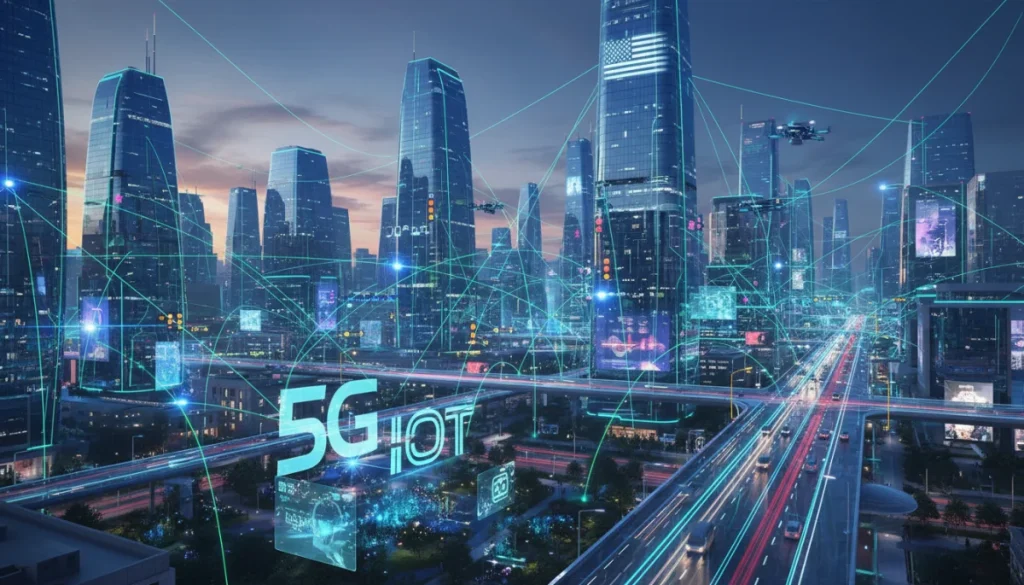
5G and IoT are fundamentally reshaping urban environments in the US, enabling advanced connectivity and data-driven solutions for unprecedented efficiency and improved quality of life in smart cities.
Anúncios
The urban landscape of the United States is undergoing a profound transformation, driven by the synergistic power of advanced technologies. This article explores how smart cities in action: how 5G and IoT are transforming urban living in the US, creating more connected, efficient, and sustainable environments for their residents.
The foundation: understanding smart cities, 5G, and IoT
To truly grasp the monumental shift occurring in American urban centers, it’s essential to first define the core components driving this evolution. Smart cities are not merely a collection of advanced gadgets; they represent an integrated ecosystem where technology serves to enhance urban functionality and the quality of life for citizens.
Anúncios
At its heart, a smart city leverages data and interconnected systems to manage assets, resources, and services more efficiently. This includes everything from traffic management and public safety to waste collection and energy consumption. The ability to collect, analyze, and act upon real-time information is paramount to this model.
The role of 5G connectivity
5G, the fifth generation of cellular technology, is far more than just faster internet. It offers unprecedented speeds, ultra-low latency, and massive capacity, enabling a new era of connectivity that is critical for smart city infrastructure. Without 5G, many of the ambitious visions for urban transformation would remain just that—visions.
- Enhanced Speed: Download and upload speeds are dramatically increased, allowing for rapid data transfer.
- Low Latency: The near-instantaneous response time is vital for applications requiring real-time decision-making, such as autonomous vehicles.
- Massive Connectivity: 5G can support millions of devices per square kilometer, a necessity for dense IoT deployments.
The internet of things (IoT) ecosystem
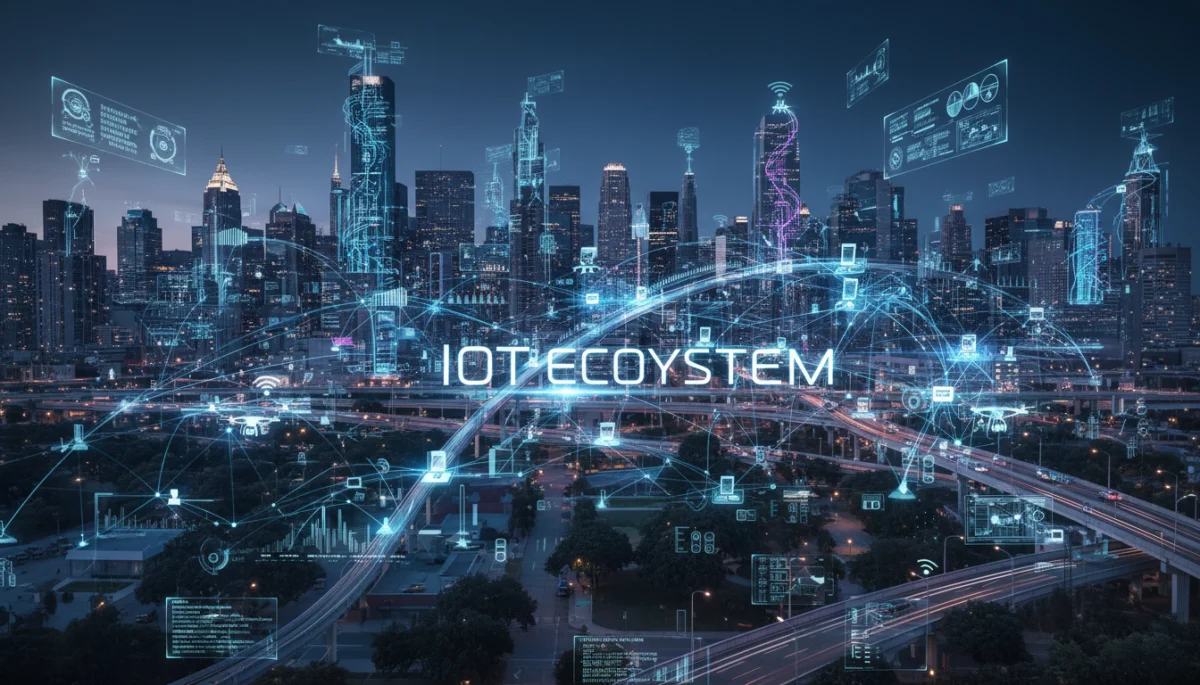
The Internet of Things (IoT) refers to the vast network of physical objects embedded with sensors, software, and other technologies for the purpose of connecting and exchanging data with other devices and systems over the internet. In a smart city context, IoT devices are the eyes and ears, collecting crucial data from every corner of the urban environment.
From smart streetlights that adjust brightness based on pedestrian activity to waste bins that signal when they are full, IoT sensors provide the granular data needed to optimize city operations. This constant flow of information, enabled by 5G, allows urban planners and administrators to make informed decisions that directly impact residents’ daily lives. The synergy between 5G and IoT is what truly unlocks the potential of smart cities, moving beyond theoretical concepts to tangible, impactful applications.
The combination of these technologies creates a powerful platform for innovation, allowing cities to address complex challenges with data-driven solutions. Understanding these foundational elements is the first step in appreciating the transformative journey American cities are embarking upon.
Revolutionizing urban mobility and infrastructure
One of the most immediate and visible impacts of smart city technologies, particularly 5G and IoT, is on urban mobility and infrastructure. Traffic congestion, inefficient public transportation, and aging infrastructure are common challenges in US cities. Smart solutions are now offering viable pathways to overcome these hurdles.
Intelligent transportation systems (ITS) are at the forefront of this revolution. IoT sensors embedded in roadways and traffic signals collect real-time data on vehicle flow, pedestrian movement, and potential hazards. This data is then transmitted via 5G networks to central control systems, which can dynamically adjust traffic light timings, reroute vehicles, and inform commuters about optimal routes.
Smart traffic management
The benefits of smart traffic management extend beyond reducing commute times. By optimizing traffic flow, cities can also decrease fuel consumption and harmful emissions, contributing to better air quality. Predictive analytics, fueled by historical and real-time data, allows cities to anticipate congestion and take proactive measures.
- Dynamic Signal Control: Traffic lights adapt to real-time conditions, not fixed schedules.
- Parking Management: Sensors guide drivers to available parking spaces, reducing circling and congestion.
- Emergency Vehicle Prioritization: Smart systems can clear routes for ambulances and fire trucks automatically.
Furthermore, the integration of autonomous vehicles into urban environments will rely heavily on 5G’s ultra-low latency. These vehicles require instantaneous communication with each other and with city infrastructure to operate safely and efficiently, making 5G an indispensable component of their widespread adoption.
Enhancing public safety and emergency response
Public safety is a paramount concern for any city, and smart city technologies are providing new tools to enhance security and improve emergency response times. The pervasive nature of IoT devices, coupled with the speed and reliability of 5G, creates a robust framework for a safer urban environment.
Connected sensor networks can detect unusual activity, environmental changes, or potential threats in real-time. For instance, smart streetlights equipped with cameras and acoustic sensors can identify gunshots or unusual gatherings, alerting authorities immediately. This proactive approach allows for a quicker response to incidents, potentially mitigating harm.
Intelligent surveillance and monitoring
Beyond traditional surveillance, IoT devices can monitor air quality, water contamination, and structural integrity of buildings and bridges. Early detection of issues can prevent major disasters, protecting both lives and property. In an emergency, 5G networks ensure that first responders have access to critical data, high-definition video feeds, and seamless communication, even in crowded or compromised areas.
Drones equipped with 5G connectivity can provide aerial views of disaster zones, assess damage, and locate individuals, all in real-time. This capability significantly enhances the situational awareness of emergency teams, allowing them to deploy resources more effectively. The rapid transmission of large data files, such as high-resolution images or 3D maps, is only possible with 5G’s bandwidth.
The integration of AI with these smart city systems further refines public safety efforts, enabling predictive policing models that identify high-risk areas or anticipate potential criminal activity based on historical data patterns. This combination of advanced technology and intelligent analysis is fundamentally transforming how US cities ensure the safety and well-being of their citizens.
Sustainable urban living: energy, waste, and environment
Sustainability is a critical pillar of the smart city concept, and 5G and IoT are instrumental in helping US cities achieve their environmental goals. From optimizing energy consumption to revolutionizing waste management, these technologies provide the data and connectivity needed to create greener, more resource-efficient urban spaces.
Smart grids, powered by IoT sensors and 5G communication, are transforming how electricity is generated, distributed, and consumed. These grids can monitor energy usage in real-time, identify inefficiencies, and even integrate renewable energy sources more effectively. This leads to reduced energy waste and a smaller carbon footprint for the entire city.
Innovations in waste management
Waste management, often a logistical challenge, is becoming significantly smarter. IoT-enabled waste bins can detect their fill levels and automatically notify collection services when they need emptying. This eliminates unnecessary trips, reduces fuel consumption, and optimizes collection routes, leading to substantial cost savings and environmental benefits.
- Smart Lighting: Streetlights adjust brightness based on ambient light and presence detection, saving energy.
- Water Management: Sensors detect leaks in water pipes, preventing water loss and conserving resources.
- Air Quality Monitoring: IoT sensors provide hyper-local air quality data, informing public health initiatives.
Environmental monitoring is another area where 5G and IoT shine. Networks of sensors can continuously track air and water quality, noise levels, and even biodiversity. This real-time environmental data allows cities to quickly respond to pollution incidents, enforce environmental regulations, and develop more effective sustainability policies. The ability to collect and process vast amounts of environmental data rapidly is crucial for effective climate action and fostering a healthier urban ecosystem.
Economic development and citizen engagement
Beyond operational efficiencies, smart city initiatives driven by 5G and IoT are powerful catalysts for economic development and enhanced citizen engagement. By creating more attractive, efficient, and sustainable environments, US cities can draw in businesses, talent, and tourism, fostering robust economic growth.
The infrastructure investments required for 5G and IoT deployment create jobs and stimulate local economies. Furthermore, the availability of high-speed, reliable connectivity is a significant draw for tech companies and startups, transforming cities into innovation hubs. Smart cities often become testbeds for new technologies, attracting research and development investments.
Facilitating digital services and citizen participation
For citizens, smart cities offer a plethora of improved digital services. From seamless public Wi-Fi access in parks and public spaces to user-friendly mobile apps for accessing city services, reporting issues, or participating in civic discussions, the digital divide is being bridged. This increased accessibility fosters greater civic engagement and transparency.
Open data initiatives, where anonymized data collected by IoT sensors is made publicly available, empower citizens, researchers, and businesses to develop their own innovative solutions. This collaborative approach can lead to unexpected breakthroughs and further enhance urban living. The transparent sharing of data, while respecting privacy, builds trust between city governments and their residents.
Smart city platforms can also provide personalized information to residents, such as real-time public transport updates, localized weather alerts, or notifications about community events. This level of personalized service, enabled by data analytics and ubiquitous connectivity, makes urban living more convenient and responsive to individual needs, ultimately strengthening the social fabric of the city.
Challenges and the path forward for US smart cities
While the promise of smart cities powered by 5G and IoT is immense, their implementation in the US is not without significant challenges. Addressing these hurdles is crucial for the successful and equitable development of urban environments.
One of the primary challenges is the substantial upfront investment required for deploying 5G infrastructure and a vast network of IoT sensors. Cities often face budget constraints, making it difficult to fund these large-scale projects. Public-private partnerships are emerging as a viable model to overcome this financial barrier, leveraging private sector capital and expertise.
Data privacy and cybersecurity concerns
The collection of vast amounts of data, while essential for smart city operations, raises significant concerns about data privacy and cybersecurity. Protecting sensitive citizen data from breaches and ensuring its ethical use are paramount. Robust security protocols, transparent data governance policies, and strong regulatory frameworks are necessary to build public trust.
- Interoperability: Ensuring different IoT devices and platforms can communicate seamlessly is complex.
- Digital Divide: Ensuring equitable access to smart city benefits for all residents, regardless of socioeconomic status.
- Regulatory Frameworks: Developing policies that keep pace with rapid technological advancements.
Another challenge lies in the interoperability of different systems and devices from various vendors. A truly smart city requires seamless communication across diverse platforms, which often involves complex integration efforts. Standards and open protocols are vital to ensure that different components of the smart city ecosystem can work together effectively.
Despite these challenges, the trajectory for smart cities in the US is clearly forward. Continued innovation in 5G and IoT technologies, coupled with collaborative efforts between government, industry, and academia, will pave the way for more resilient, efficient, and livable urban futures. The focus must remain on creating inclusive smart cities that benefit all residents, ensuring that technology serves humanity rather than the other way around.
The future landscape: what’s next for smart cities
Looking ahead, the evolution of smart cities in the US will be characterized by even deeper integration of advanced technologies and a greater emphasis on human-centric design. The foundational work being laid today with 5G and IoT is just the beginning of a truly transformative era for urban living.
Artificial intelligence (AI) and machine learning (ML) will become even more pervasive, moving beyond predictive analytics to truly autonomous urban systems. Imagine AI-powered systems that can not only predict traffic congestion but also dynamically optimize public transport routes and even suggest alternative modes of travel tailored to individual preferences, all in real-time.
Hyper-personalization and citizen-centric design
The concept of hyper-personalization will extend to urban services. Citizens could receive highly customized information and services based on their location, preferences, and needs, creating a more intuitive and responsive urban experience. This will require sophisticated data analytics and a commitment to user experience design in city planning.
Edge computing, which processes data closer to its source, will become increasingly vital. This reduces latency even further and enhances data security, allowing for quicker decision-making in critical applications like autonomous vehicles and emergency services. The distributed nature of edge computing complements the centralized capabilities of cloud computing, creating a resilient and efficient data processing architecture.
Furthermore, the development of digital twins – virtual replicas of physical cities – will become a powerful tool for urban planners. These digital models, fed by real-time IoT data, will allow cities to simulate the impact of new policies, infrastructure projects, or environmental changes before implementation, minimizing risks and optimizing outcomes. This foresight will enable cities to be more agile and adaptive in their development. The journey of smart cities is continuous, driven by ongoing technological advancements and a commitment to creating better urban environments for everyone.
| Key Aspect | Impact of 5G & IoT |
|---|---|
| Urban Mobility | Real-time traffic optimization, smart parking, autonomous vehicle support, reduced congestion. |
| Public Safety | Enhanced surveillance, faster emergency response, predictive threat detection. |
| Sustainability | Smart grids, optimized waste management, real-time environmental monitoring. |
| Economic Growth | Attracting innovation, creating jobs, improving citizen services and engagement. |
Frequently asked questions about smart cities
A smart city in the US utilizes integrated technology, primarily 5G and IoT, to improve urban operations, enhance public services, and boost the quality of life for residents. It’s about data-driven decision-making for efficiency and sustainability.
5G provides the high speed, ultra-low latency, and massive connectivity required for smart city applications. It enables real-time data transfer for autonomous systems, supports numerous IoT devices, and ensures reliable communication for critical services.
IoT in US smart cities is used for intelligent traffic management, smart lighting, waste management optimization, environmental monitoring, and enhancing public safety through connected sensors and cameras across urban infrastructure.
Key challenges include significant infrastructure investment, ensuring data privacy and cybersecurity, achieving interoperability between diverse systems, and addressing the digital divide to ensure equitable access to smart city benefits for all citizens.
Smart cities enhance sustainability through optimized energy grids, efficient waste collection routes, smart water management systems that detect leaks, and real-time environmental monitoring, all contributing to reduced resource consumption and pollution.
Conclusion
The integration of 5G and IoT is not merely an incremental upgrade but a fundamental re-imagining of urban life across the United States. From dynamic traffic management and enhanced public safety to groundbreaking sustainability efforts and vibrant economic development, these technologies are crafting cities that are more responsive, resilient, and livable. While challenges such as funding, data privacy, and equitable access remain, the ongoing commitment to innovation and collaboration promises a future where technology empowers urban centers to serve their populations with unprecedented efficiency and intelligence. The journey towards fully realized smart cities is a testament to human ingenuity, aiming to create environments that truly thrive in the digital age.
