Sustainable Innovation: Reducing US Carbon Emissions
Anúncios
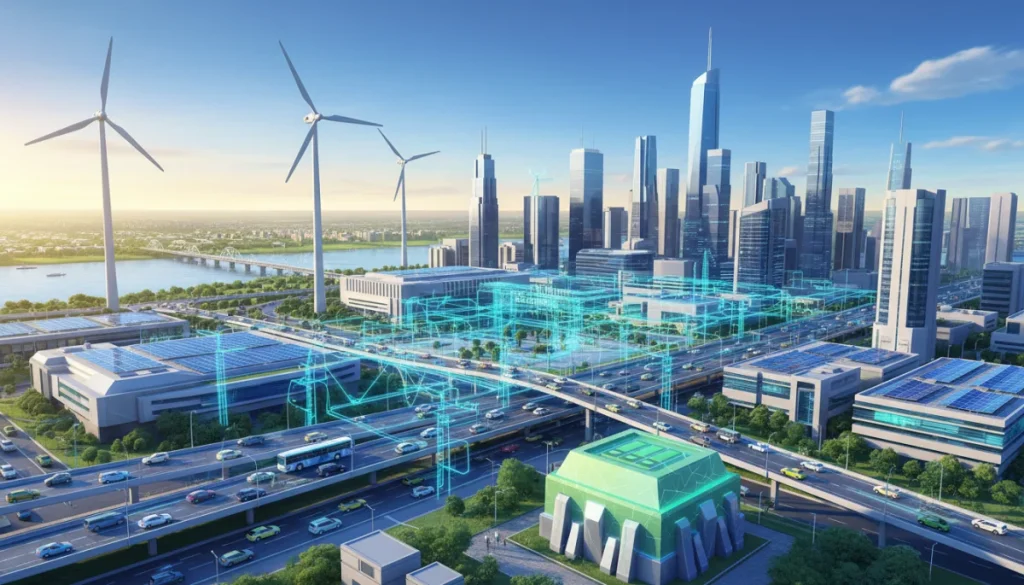
Four key sustainable innovations, including advanced renewable energy, carbon capture, enhanced energy storage, and smart grid systems, are projected to reduce US carbon emissions by 15% by 2030, accelerating the transition to a low-carbon economy.
Anúncios
The imperative to combat climate change has never been more urgent, and the United States is at a critical juncture. The promise of sustainable innovation US is not merely an environmental aspiration but a pathway to economic resilience and global leadership. This article delves into four transformative technologies poised to significantly cut US carbon emissions by 15% by 2030, offering a glimpse into a cleaner, more sustainable future.
Anúncios
The Rise of Advanced Renewable Energy Systems
Advanced renewable energy systems are at the forefront of the battle against carbon emissions. These technologies move beyond conventional solar and wind, incorporating innovations that boost efficiency, reliability, and integration into the national grid. The goal is to maximize energy generation while minimizing environmental impact.
The evolution of solar photovoltaic (PV) technology, for instance, has seen significant breakthroughs. Perovskite solar cells and bifacial panels are increasing energy capture, even in less-than-ideal conditions. Similarly, wind energy is benefiting from taller turbines with larger rotor diameters, accessing stronger and more consistent winds at higher altitudes, thereby generating more power per installation.
Innovations in Solar and Wind Power
- Perovskite Solar Cells: Offering higher efficiency and flexibility, these next-generation solar cells can be integrated into various surfaces beyond traditional rooftop panels.
- Bifacial Solar Panels: These panels capture sunlight from both sides, significantly increasing overall energy yield, especially when installed over reflective surfaces.
- Offshore Wind Farms: Leveraging vast ocean spaces, offshore wind provides consistent and powerful energy, with new floating turbine designs expanding deployment possibilities.
- Smart Wind Turbines: Equipped with AI and IoT sensors, these turbines can adjust their blades in real-time to optimize energy capture based on wind patterns.
These advancements are crucial for expanding renewable energy’s footprint across the US. By making these sources more efficient and adaptable, their integration into diverse geographical and climatic conditions becomes more feasible, accelerating the displacement of fossil fuel-based electricity generation. The continued investment in research and development will be paramount to unlocking their full potential and ensuring a robust, clean energy supply.
The impact of these advanced systems extends beyond just electricity generation. They contribute to grid stability, reduce dependence on volatile fossil fuel markets, and create new job opportunities in manufacturing, installation, and maintenance. The transition to a renewable-dominant energy landscape is not just about environmental benefits; it’s about building a more secure and prosperous energy future for the nation.
Breakthroughs in Carbon Capture, Utilization, and Storage (CCUS)
While transitioning to renewables is vital, carbon capture, utilization, and storage (CCUS) technologies offer a complementary solution by addressing emissions from existing industrial processes that are harder to decarbonize. These technologies capture carbon dioxide (CO2) from large point sources, preventing its release into the atmosphere.
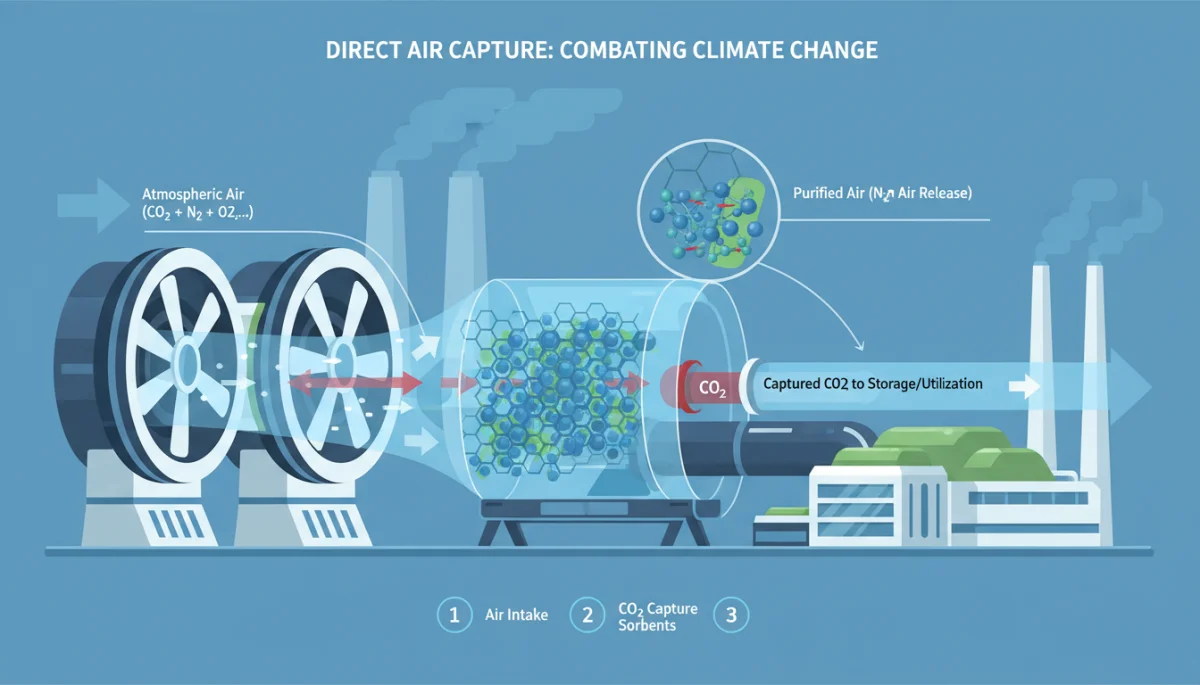
CCUS encompasses a range of methods, from post-combustion capture at power plants to direct air capture (DAC) which removes CO2 directly from ambient air. Once captured, the CO2 can be stored underground in geological formations or utilized in various industrial processes, such as enhanced oil recovery, concrete production, or even creating synthetic fuels.
Direct Air Capture (DAC) Technology
Direct Air Capture is a particularly promising area within CCUS. Unlike capturing CO2 from smokestacks, DAC systems can remove carbon from anywhere, offering flexibility in deployment. Companies are developing innovative sorbent materials and energy-efficient processes to make DAC scalable and economically viable. This technology holds the potential to not only reduce current emissions but also to remove historical CO2 from the atmosphere.
The integration of CCUS with industrial facilities, such as cement plants and steel mills, is crucial. These sectors often have high heat demands and process emissions that are difficult to abate through electrification alone. By deploying CCUS, these industries can continue to operate while significantly reducing their carbon footprint, contributing to national emission reduction targets.
However, the widespread adoption of CCUS requires significant infrastructure development for CO2 transport and storage, as well as policy incentives to drive investment. The long-term safety and permanence of geological storage are rigorously studied and regulated to ensure environmental integrity. With continued innovation and strategic investment, CCUS can play a significant role in achieving the US’s 2030 carbon reduction goals.
Revolutionizing Energy Storage Solutions
The intermittency of renewable energy sources like solar and wind presents a challenge for grid stability. Energy storage solutions are the linchpin for overcoming this hurdle, ensuring a continuous and reliable supply of clean electricity. Advancements in battery technology and other storage methods are transforming how we manage and distribute power.
Lithium-ion batteries have seen rapid improvements in cost, energy density, and cycle life, making them increasingly viable for grid-scale applications, electric vehicles, and residential storage. However, research into alternative battery chemistries, such as solid-state, flow, and sodium-ion batteries, is also accelerating, promising even safer, cheaper, and more sustainable options.
Beyond Lithium-Ion: Emerging Storage Technologies
- Flow Batteries: These batteries store energy in external tanks, offering long duration storage and scalability, ideal for grid-level applications.
- Solid-State Batteries: Promising higher energy density, faster charging, and improved safety compared to traditional lithium-ion, these are being developed for EVs and potentially grid storage.
- Thermal Energy Storage: Utilizing materials to store heat or cold, this method can store excess renewable energy and release it as needed for heating, cooling, or power generation.
- Green Hydrogen: Produced via electrolysis powered by renewables, green hydrogen can be stored and later converted back into electricity or used as a clean fuel in various sectors.
These diverse storage technologies cater to different needs, from short-duration grid balancing to seasonal energy storage. Their deployment is critical for maximizing the value of renewable energy, allowing excess generation during peak sunlight or wind to be stored and used when these sources are not available. This greatly reduces the need for fossil fuel-based backup power.
The development of robust and affordable energy storage is not just about integrating renewables; it’s about creating a more resilient and decentralized energy system. It empowers communities, industries, and individual consumers with greater energy independence and reliability, paving the way for a truly decarbonized power sector. Continued investment in this area is fundamental to achieving ambitious emission reduction targets.
The Evolution of Smart Grid Systems
A truly decarbonized and efficient energy system requires more than just clean energy generation and storage; it demands an intelligent infrastructure to manage it all. Smart grid systems are the digital backbone of this future, leveraging advanced sensors, communication technologies, and artificial intelligence to optimize electricity generation, distribution, and consumption.
Traditional grids are largely unidirectional, but smart grids are bidirectional, allowing for real-time information flow between utilities and consumers. This enables dynamic load management, integration of distributed energy resources (DERs) like rooftop solar, and rapid response to outages, significantly improving efficiency and reliability.
Key Components of a Modern Smart Grid
The implementation of smart meters, for example, provides consumers with detailed insights into their energy usage, encouraging conservation and demand-side management. For utilities, smart grids offer enhanced visibility and control over the network, allowing them to predict and prevent failures, optimize power flow, and reduce transmission losses.
- Advanced Metering Infrastructure (AMI): Smart meters provide real-time data on energy consumption, enabling dynamic pricing and demand response programs.
- Distributed Energy Resources (DERs) Integration: Smart grids seamlessly integrate localized energy sources like solar panels and battery storage, enhancing grid resilience.
- Self-Healing Grid Technology: Utilizing sensors and automated switches, smart grids can detect and isolate faults, rerouting power to minimize outage duration.
- Artificial Intelligence and Machine Learning: AI algorithms optimize energy dispatch, predict demand, and manage complex grid operations with greater efficiency.
The benefits of smart grid systems extend beyond operational efficiency. They are essential for integrating the increasing share of variable renewable energy sources, ensuring that the grid can handle fluctuations in supply and demand. By creating a more flexible and responsive electrical network, smart grids accelerate the retirement of fossil fuel peaker plants and reduce overall carbon intensity.
Investing in smart grid infrastructure is a foundational step towards a sustainable energy future. It not only supports carbon reduction goals but also enhances national energy security, fosters innovation in energy services, and provides consumers with greater control over their energy consumption. This interconnected approach is crucial for achieving a resilient and low-carbon energy economy.
Policy and Investment Driving Sustainable Innovation
While technological advancements are the engine of sustainable innovation, supportive policies and strategic investments are the fuel. Government initiatives, private sector funding, and international collaborations play a critical role in accelerating the development and deployment of these transformative technologies across the United States.
The US government has implemented various policies, including tax credits, grants, and loan programs, to incentivize renewable energy projects, carbon capture installations, and energy efficiency upgrades. These financial mechanisms reduce the upfront costs and risks associated with new technologies, making them more attractive to investors and developers.
Key Policy Mechanisms and Funding Initiatives
Furthermore, regulatory frameworks are evolving to facilitate the integration of distributed energy resources and smart grid technologies. Streamlined permitting processes, interconnection standards, and market designs that value grid services provided by renewables and storage are essential for overcoming deployment barriers.
- Investment Tax Credits (ITCs) and Production Tax Credits (PTCs): These federal incentives significantly reduce the cost of deploying solar, wind, and other clean energy projects.
- Department of Energy (DOE) Funding: The DOE provides substantial grants for research, development, and demonstration projects in advanced energy technologies.
- State-Level Renewable Portfolio Standards (RPS): Many states mandate a certain percentage of electricity come from renewable sources, driving market demand.
- Carbon Pricing Mechanisms: While varied, policies like cap-and-trade or carbon taxes can create economic incentives for industries to reduce emissions and invest in clean technologies.
Private sector investment is also surging, driven by increasing corporate sustainability goals, consumer demand for green products, and the growing recognition of climate-related financial risks and opportunities. Venture capital and private equity firms are channeling significant capital into clean tech startups, fostering innovation and commercialization.
The synergy between public policy and private investment creates a powerful ecosystem for sustainable innovation. By de-risking new technologies and creating robust markets, these efforts ensure that the US remains competitive in the global clean energy race while making tangible progress towards its carbon emission reduction targets. This collaborative approach is indispensable for widespread adoption.
The Road Ahead: Challenges and Opportunities
Achieving a 15% reduction in US carbon emissions by 2030 through sustainable innovation is an ambitious yet attainable goal. However, the path is not without its challenges, requiring continuous effort, adaptability, and a commitment to overcoming obstacles. Understanding these hurdles and the opportunities they present is crucial for effective strategy development.
One primary challenge lies in the sheer scale of transformation required across vast and diverse sectors of the economy. From upgrading aging infrastructure to retraining workforces and shifting entrenched industrial practices, the transition demands coordinated action and significant capital investment. Ensuring equitable benefits and managing potential disruptions are also key considerations.
Addressing Implementation Hurdles
- Infrastructure Modernization: The existing energy grid requires substantial upgrades to fully integrate and manage advanced renewable energy and smart grid technologies.
- Supply Chain Resilience: Ensuring a stable and ethical supply of critical minerals and components for clean energy technologies is vital.
- Workforce Development: Training and upskilling a new generation of workers for green jobs are necessary to meet the demands of the evolving energy sector.
- Public Acceptance and Engagement: Gaining broad public support and addressing community concerns are essential for the successful deployment of large-scale projects.
Despite these challenges, the opportunities presented by sustainable innovation are immense. The transition to a low-carbon economy can spur significant economic growth, create millions of new jobs, and enhance national energy independence. The US has the potential to become a global leader in green technology, exporting innovative solutions and setting new standards for environmental stewardship.
Furthermore, investing in sustainable innovation offers substantial health benefits by reducing air and water pollution, leading to healthier communities and reduced healthcare costs. It also strengthens national security by diversifying energy sources and reducing reliance on geopolitically sensitive fossil fuel imports. The collective benefits underscore the urgency and importance of sustained commitment to these technologies.
| Key Technology | Impact on Emissions |
|---|---|
| Advanced Renewables | Replaces fossil fuels for electricity generation, reducing direct emissions. |
| Carbon Capture (CCUS) | Removes CO2 from industrial sources and atmosphere, preventing release. |
| Energy Storage | Enables higher renewable integration, reducing reliance on fossil fuel backups. |
| Smart Grid Systems | Optimizes energy use and integrates renewables, boosting efficiency and cutting waste. |
Frequently Asked Questions about US Carbon Reduction
The US aims to reduce its greenhouse gas emissions by 50-52% below 2005 levels by 2030. The specific 15% reduction discussed relates to the significant contribution expected from these four sustainable innovations towards that broader national target.
Advanced systems incorporate innovations like bifacial solar panels, taller wind turbines, and smart controls that enhance efficiency, reliability, and integration. They move beyond basic energy generation to optimize performance and grid compatibility, maximizing their decarbonization impact.
CCUS aims for permanent removal by storing captured CO2 in secure geological formations. While challenges exist, rigorous monitoring and site selection ensure long-term containment. It serves as a crucial bridge technology for hard-to-abate industrial emissions.
Energy storage addresses the intermittency of renewables, allowing excess clean energy to be saved and used when needed. This reduces reliance on fossil fuel-fired power plants for backup, enabling higher penetration of renewables and a more stable, greener grid.
Smart grids optimize energy distribution and consumption, reducing waste and improving efficiency. They enable seamless integration of diverse energy sources, including distributed renewables, making the grid more resilient and responsive to demand fluctuations, thereby lowering overall carbon intensity.
Conclusion
The journey toward a sustainable future for the United States is being significantly shaped by pioneering technological advancements. The four pillars of sustainable innovation—advanced renewable energy systems, carbon capture, utilization, and storage, revolutionary energy storage solutions, and intelligent smart grid systems—are not merely theoretical concepts but tangible pathways to substantial carbon emission reductions. By strategically deploying and scaling these technologies, coupled with robust policy support and continuous investment, the US is well-positioned to achieve its ambitious goal of cutting carbon emissions by 15% by 2030. This concerted effort promises not only a healthier planet but also a more resilient, prosperous, and energy-independent nation, demonstrating that environmental stewardship and economic growth can indeed go hand-in-hand.
