Sustainable Tech Investments: US Opportunities in 18 Months
Anúncios
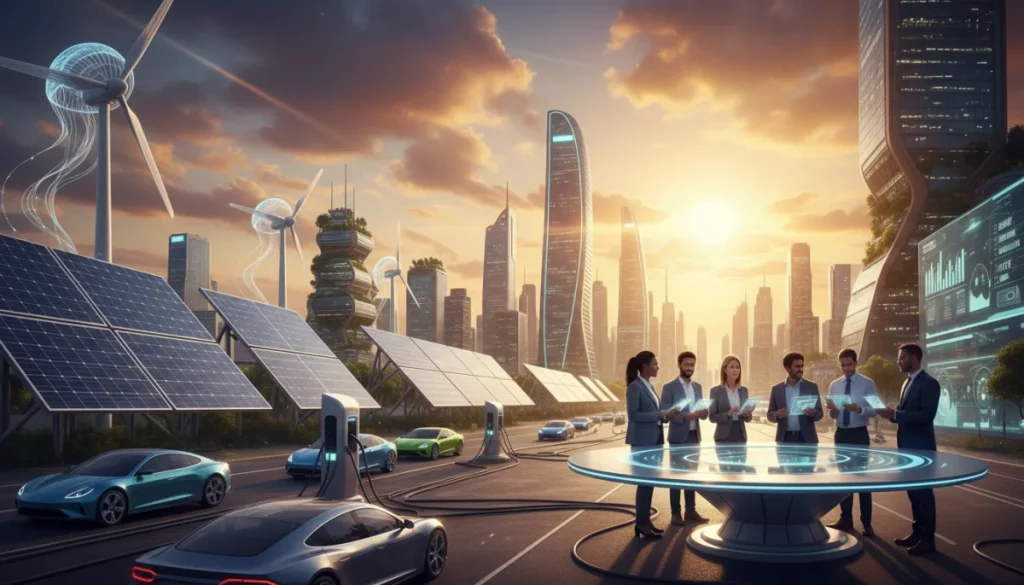
The next 18 months are pivotal for US investors seeking to capitalize on sustainable tech investments, with emerging sectors like advanced renewables, circular economy, and smart grid solutions poised for substantial growth and innovation.
Anúncios
As the global landscape shifts towards environmental consciousness and regulatory pressures increase, understanding sustainable tech investments becomes not just an ethical choice, but a strategic imperative for US investors. The coming 18 months are poised to be a period of significant transformation and opportunity within this rapidly expanding sector, offering compelling avenues for both financial returns and positive societal impact.
The Rise of Renewable Energy Solutions
The renewable energy sector continues its robust expansion, driven by decreasing costs, technological advancements, and supportive government policies. For US investors, this means a dynamic environment filled with opportunities beyond traditional solar and wind, extending into more advanced and integrated energy systems.
Anúncios
Investment in renewable energy is no longer a niche market; it’s a foundational pillar of the modern economy. The shift away from fossil fuels is accelerating, creating fertile ground for companies innovating in energy generation, storage, and distribution.
Advanced Solar and Wind Technologies
While solar panels and wind turbines are well-established, the next 18 months will see significant breakthroughs and deployment in their efficiency and integration. This includes perovskite solar cells, floating solar farms, and offshore wind projects.
- Perovskite Solar Cells: Offering higher efficiency and lower manufacturing costs than traditional silicon, perovskites are nearing commercial viability.
- Offshore Wind Expansion: Massive US coastal projects are gaining momentum, requiring substantial investment in infrastructure and specialized technology.
- Smart Inverters and Grid Integration: Technologies that allow renewables to seamlessly connect to and stabilize the grid are becoming crucial.
Energy Storage Innovations
The intermittency of renewable energy sources makes robust energy storage solutions indispensable. The market for batteries, particularly grid-scale solutions, is exploding, attracting considerable investor interest.
- Lithium-ion Alternatives: Research and development into sodium-ion, solid-state, and flow batteries are promising, potentially offering safer, cheaper, and more sustainable options.
- Vehicle-to-Grid (V2G) Technology: Electric vehicles becoming mobile energy storage units, feeding power back into the grid, represents a transformative concept.
- Long-Duration Storage: Solutions like compressed air energy storage (CAES) and pumped-hydro are critical for balancing seasonal and daily energy demands.
The convergence of advanced generation and storage technologies will define the next phase of renewable energy investment, offering diversified portfolios for those looking to capitalize on the energy transition.
Circular Economy: Redefining Resource Utilization
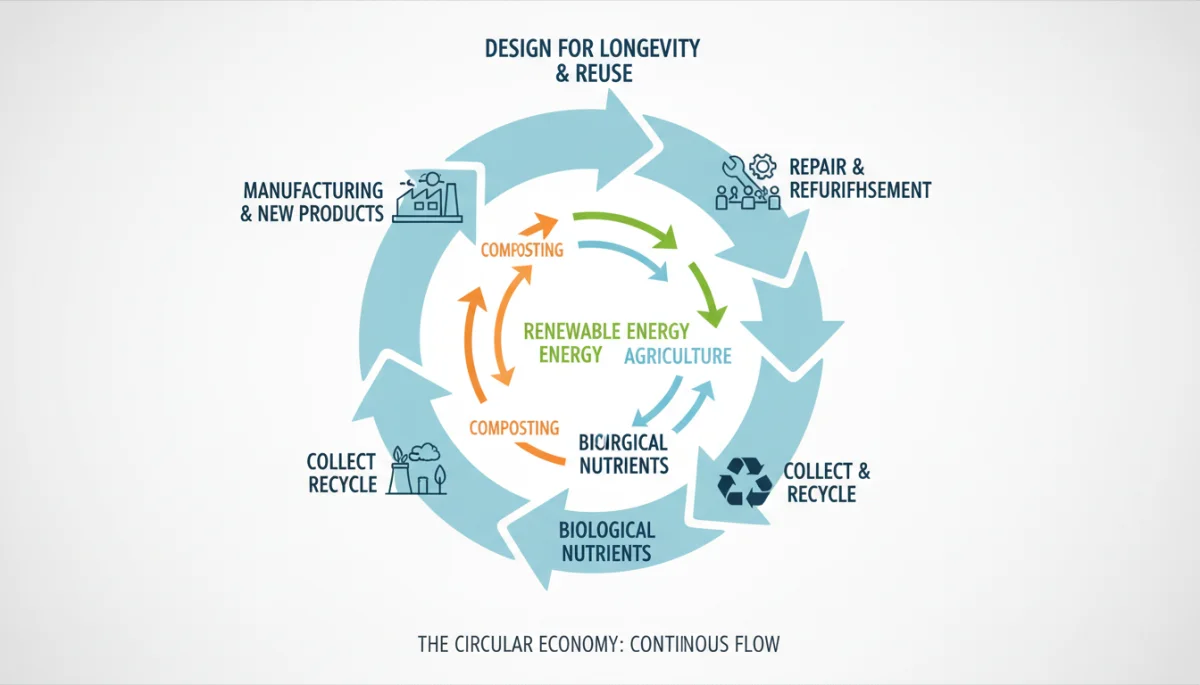
The linear ‘take-make-dispose’ model is rapidly being replaced by the principles of the circular economy, focusing on minimizing waste and maximizing resource efficiency. This paradigm shift creates vast investment opportunities in industries dedicated to reuse, repair, and recycling.
For US investors, the circular economy is not just about waste management; it’s about fundamentally redesigning products and systems to retain value and eliminate waste from the outset. This holistic approach unlocks new markets and drives innovation across various sectors.
Waste-to-Value Technologies
Transforming waste into valuable resources is a cornerstone of the circular economy. This includes advanced recycling techniques, biochemical conversion, and energy recovery from non-recyclable materials.
Technologies that can efficiently convert plastics, organic waste, and industrial byproducts into new materials or energy sources are becoming increasingly attractive. These innovations not only reduce landfill burden but also create new supply chains for industries seeking sustainable inputs.
Sustainable Materials and Product Design
Companies focusing on developing and utilizing sustainable materials, as well as designing products for longevity and easy disassembly, are at the forefront of this movement. This includes bioplastics, recycled content, and modular product designs.
- Bio-based Materials: Innovations in plant-derived plastics and composites that reduce reliance on fossil fuels.
- Design for Disassembly: Products designed to be easily taken apart for repair, refurbishment, or recycling, extending their lifecycle.
- Recycled Content Integration: Companies committed to incorporating significant percentages of recycled materials into their new products.
Reverse Logistics and Reuse Platforms
The infrastructure for collecting, sorting, and processing materials for reuse and recycling is crucial. Investment in reverse logistics and platforms that facilitate the sharing and reuse of products is a growing area.
From apparel rental services to industrial equipment sharing platforms, businesses that enable products to stay in use longer are creating new revenue streams and reducing environmental impact. These platforms often leverage digital technologies to optimize asset utilization.
The circular economy offers a multifaceted investment landscape, rewarding companies that can innovate in resource management and redefine traditional consumption patterns.
Green Transportation and Mobility
The transportation sector is undergoing a profound transformation, moving away from fossil fuel dependence towards electrification, alternative fuels, and smart mobility solutions. This shift presents significant opportunities for investors in the next 18 months.
Decarbonizing transportation is a global priority, and the US is at the forefront of this transition. Investment in green transportation extends beyond electric vehicles to encompass the entire ecosystem supporting sustainable movement of people and goods.
Electric Vehicle (EV) Infrastructure
The rapid adoption of EVs necessitates a robust and widespread charging infrastructure. Investment opportunities abound in charging station networks, battery swapping technologies, and smart grid integration for EV charging.
- Fast-Charging Networks: Development of ultra-fast charging stations along major corridors and urban centers.
- Battery Swapping: Solutions for quick battery exchange, particularly for commercial fleets, reducing downtime.
- Smart Charging Solutions: Technologies that optimize charging times to leverage off-peak electricity rates and balance grid load.
Sustainable Public and Commercial Transport
Beyond personal vehicles, the electrification and decarbonization of public transit, heavy-duty trucking, and maritime shipping are critical areas for investment. This includes electric buses, hydrogen fuel cell trucks, and sustainable aviation fuels.
Companies developing electric or hydrogen-powered solutions for large-scale transportation are addressing significant emissions sources. The scalability of these technologies offers substantial growth potential, supported by government incentives and corporate sustainability goals.
Advanced Mobility Solutions
Innovation in urban mobility, including micro-mobility solutions, autonomous electric vehicles, and integrated multimodal transport systems, is reshaping how people move within cities. These solutions often leverage AI and data analytics to optimize efficiency.
Investment in companies developing software platforms for ride-sharing, last-mile delivery with electric vehicles, and smart traffic management systems will be crucial for creating truly sustainable urban environments. These technologies aim to reduce congestion, pollution, and energy consumption.
The green transportation sector is dynamic and diverse, offering a wide array of investment avenues for those looking to support and profit from the transition to a cleaner, more efficient mobility paradigm.
Sustainable Agriculture and Food Tech
Addressing food security and environmental impact simultaneously, sustainable agriculture and food technology are emerging as critical investment areas. Innovations here focus on reducing resource consumption, improving yields, and creating healthier food systems.
The global food system faces immense pressure from climate change, population growth, and resource depletion. Sustainable tech in this sector aims to mitigate these challenges, offering solutions that are both environmentally sound and economically viable.
Precision Agriculture and Vertical Farming
Leveraging data, AI, and automation, precision agriculture optimizes resource use in traditional farming, while vertical farming offers controlled-environment agriculture with significantly reduced land and water usage.
- IoT Sensors and Drones: Technologies for real-time monitoring of crop health, soil conditions, and irrigation needs.
- AI-driven Analytics: Software platforms that analyze agricultural data to optimize planting, fertilizing, and harvesting.
- Controlled Environment Agriculture (CEA): Indoor farming solutions that use less water, no pesticides, and can be located closer to urban centers.
Alternative Proteins and Sustainable Packaging
The demand for sustainable protein sources and eco-friendly food packaging is accelerating. This includes plant-based meats, lab-grown proteins, and biodegradable packaging materials.
Companies developing innovative protein alternatives are responding to consumer demand for healthier and more sustainable diets, while those creating compostable or recyclable packaging are addressing the pervasive issue of plastic waste in the food industry.
Water Management and Resource Efficiency
Efficient water usage in agriculture is paramount. Investments in smart irrigation systems, water purification technologies, and drought-resistant crops are crucial for long-term sustainability.
Technologies that minimize water waste and maximize its utility in agricultural processes are vital. This also extends to solutions for wastewater treatment and reuse within the food production cycle, ensuring a closed-loop approach to resource management.
Sustainable agriculture and food tech offer compelling investment opportunities, addressing fundamental human needs while fostering environmental stewardship and resource efficiency.
Water Technology and Management
With increasing global water scarcity and pollution, advanced water technology solutions are becoming indispensable. For US investors, this sector offers significant growth potential in areas like desalination, wastewater treatment, and smart water infrastructure.
Water is a finite resource, and its effective management is critical for human health, economic stability, and environmental protection. Innovations in water technology are essential for addressing current and future challenges.
Advanced Desalination and Purification
As freshwater sources dwindle, technologies that can efficiently and affordably convert seawater or brackish water into potable water are gaining traction. This includes advanced membrane technologies and energy-efficient desalination processes.
Companies developing next-generation reverse osmosis membranes, forward osmosis, or other novel purification methods are crucial for expanding access to clean water. Reducing the energy footprint of these processes is a key innovation driver.
Wastewater Treatment and Resource Recovery
Treating wastewater to remove pollutants and recover valuable resources like nutrients and energy is a growing area. This involves advanced biological and chemical treatment processes, as well as technologies for nutrient capture.
- Membrane Bioreactors (MBRs): Highly efficient wastewater treatment systems that combine biological treatment with membrane filtration.
- Nutrient Recovery: Technologies that extract phosphorus and nitrogen from wastewater for use as fertilizers.
- Energy from Wastewater: Systems that generate biogas or other forms of energy from organic matter in wastewater.
Smart Water Infrastructure and Leak Detection
Modernizing aging water infrastructure with smart sensors, IoT devices, and data analytics can significantly reduce water loss due to leaks and improve overall system efficiency. Investment in these digital solutions is crucial.
Companies offering intelligent monitoring systems, predictive analytics for infrastructure maintenance, and automated leak detection technologies are vital for preserving water resources and ensuring reliable supply. This also includes smart metering solutions for consumers.
The water technology sector presents robust opportunities for investors committed to solving one of the world’s most pressing environmental challenges, with innovations spanning from source to tap and back.
Sustainable Materials and Green Chemistry
Beyond specific applications, the foundation of a sustainable future lies in the materials we use and the processes by which we create them. Sustainable materials and green chemistry represent a cross-cutting investment theme, impacting nearly every industry.
The goal is to develop materials that are less harmful to the environment throughout their lifecycle and to design chemical processes that minimize hazardous substances and energy consumption. This fundamental shift offers profound investment implications.
Bio-based and Recycled Polymers
The push to replace fossil-fuel-derived plastics with materials from renewable resources or recycled content is a significant trend. This includes polylactic acid (PLA), polyhydroxyalkanoates (PHAs), and advanced recycling technologies for plastics.
- Biodegradable Plastics: Materials that can naturally decompose without leaving harmful residues.
- Chemically Recycled Plastics: Technologies that break down plastics to their molecular components, allowing for infinite recycling.
- Sustainable Packaging Alternatives: Innovations in paper-based, mushroom-derived, or other novel packaging materials.
Carbon Capture, Utilization, and Storage (CCUS)
Technologies that capture carbon dioxide emissions from industrial sources, either for storage or conversion into valuable products, are critical for decarbonizing hard-to-abate sectors. This includes direct air capture (DAC) and CO2-to-fuel conversion.
Investment in CCUS technologies is essential for industries like cement, steel, and chemical production that face significant emissions challenges. The ability to turn captured carbon into useful products like building materials or synthetic fuels adds an economic incentive.
Green Chemical Processes
Developing chemical manufacturing processes that use fewer hazardous substances, consume less energy, and produce less waste is a core tenet of green chemistry. This includes catalysis, solvent-free reactions, and renewable feedstock utilization.
Companies innovating in these areas are creating more efficient and environmentally friendly production methods, reducing the environmental footprint of countless products. This also includes the development of safer and more sustainable alternatives to existing harmful chemicals.
Sustainable materials and green chemistry provide foundational investment opportunities, driving systemic change across industries and enabling a truly circular and low-carbon economy.
| Key Investment Area | Brief Opportunity Description |
|---|---|
| Renewable Energy | Advanced solar, wind, and energy storage solutions are poised for significant growth and widespread adoption. |
| Circular Economy | Invest in waste-to-value tech, sustainable materials, and reuse platforms to minimize waste and maximize resource efficiency. |
| Green Transportation | EV infrastructure, sustainable public transport, and advanced mobility solutions offer high-growth potential. |
| Water Technology | Desalination, advanced wastewater treatment, and smart water infrastructure address critical global water challenges. |
Frequently Asked Questions About Sustainable Tech Investments
Key drivers include government incentives like the Inflation Reduction Act, increasing consumer and corporate demand for sustainable products, and technological advancements reducing costs and increasing efficiency across various green sectors. These factors create a robust environment for growth.
Investors should look for companies with strong intellectual property, clear market differentiation, scalable business models, and proven financial viability. Researching their impact metrics and alignment with global sustainability goals is also crucial for long-term success.
Risks include regulatory changes, technological obsolescence, market volatility, and the capital-intensive nature of some projects. Diligent due diligence and diversified portfolios can help mitigate these potential downsides for investors.
No, sustainable tech investments are accessible to a wide range of investors. Beyond direct equity, options like exchange-traded funds (ETFs) focused on clean energy or green bonds offer diversified exposure for individual investors to participate in this growing market.
The circular economy focuses on eliminating waste and continuous resource use, creating investment opportunities in advanced recycling, sustainable materials, and product-as-a-service models. It underpins many sustainable tech innovations by redefining production and consumption.
Conclusion
The next 18 months present a critical window for US investors to strategically engage with the rapidly evolving landscape of sustainable tech. From advanced renewable energy systems and the transformative circular economy to green transportation and vital water technologies, the opportunities for both significant financial returns and meaningful environmental impact are substantial. By focusing on innovation, scalability, and robust market alignment, investors can position themselves at the forefront of a sustainable future, contributing to a resilient economy and a healthier planet.
