US Robotics in Logistics: From Concept to Reality (Updates)
Anúncios
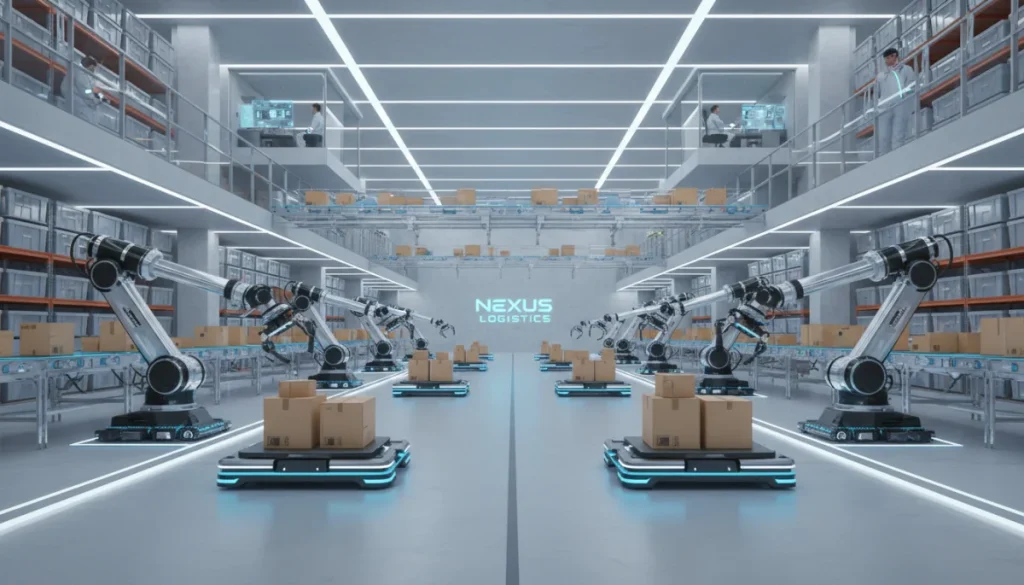
The integration of robotics in US logistics is rapidly transitioning from conceptual designs to widespread operational deployment, fundamentally reshaping how goods are moved, stored, and delivered across the supply chain.
Anúncios
The journey from concept to reality: a deep dive into the latest advances in US robotics for logistics (recent updates) is no longer a futuristic dream but a present-day transformation. Across warehouses, distribution centers, and last-mile delivery, intelligent machines are redefining efficiency, accuracy, and scalability in an industry under constant pressure to innovate.
The evolving landscape of logistics automation
The logistics sector in the United States is experiencing an unprecedented wave of automation, driven by advancements in robotics. This evolution is not merely about replacing manual labor but about augmenting human capabilities and optimizing complex processes that were once bottlenecks. The integration of robots allows for higher throughput, reduced errors, and improved safety standards, directly addressing the demands of e-commerce and a dynamic global supply chain.
Anúncios
Early robotic applications in logistics were often limited to highly structured environments and repetitive tasks. However, recent breakthroughs in artificial intelligence, machine learning, and sensor technology have enabled robots to perform more intricate and adaptable functions. These new capabilities are crucial for navigating the diverse and often unpredictable challenges inherent in modern logistics operations.
Autonomous mobile robots (AMRs) revolutionize warehousing
Autonomous Mobile Robots (AMRs) represent a significant leap forward from their Automated Guided Vehicle (AGV) predecessors. Unlike AGVs, which follow fixed paths, AMRs use sophisticated navigation systems to move freely, adapt to changes in their environment, and collaborate with human workers. This flexibility makes them indispensable for dynamic warehouse operations.
- Enhanced Flexibility: AMRs can dynamically re-route, avoiding obstacles and optimizing paths in real-time.
- Scalability: Fleets of AMRs can be easily expanded or contracted based on demand fluctuations.
- Improved Safety: Advanced sensors and AI ensure AMRs operate safely alongside human personnel.
- Increased Throughput: By automating repetitive transport tasks, AMRs free up human workers for more complex roles.
The widespread adoption of AMRs is transforming warehousing from a labor-intensive activity into a highly orchestrated, automated symphony of movement. This shift is critical for companies looking to meet ever-increasing customer expectations for speed and accuracy.
The implications of AMR technology extend beyond mere task automation. They enable a fundamental rethinking of warehouse layouts and operational strategies, fostering environments where efficiency and responsiveness are maximized. Companies that embrace AMRs are finding themselves better equipped to handle peak seasons and unexpected surges in demand, maintaining a competitive edge in a rapidly changing market.
Precision picking and packing: the rise of robotic arms
Beyond transportation, the intricate tasks of picking and packing have long been considered human domains due to the dexterity and cognitive ability required. However, recent advancements in robotic arm technology, coupled with advanced vision systems and machine learning, are rapidly changing this perception. Robotic arms are now capable of handling a vast array of items with precision and speed, from delicate goods to irregularly shaped products.
These sophisticated robotic systems utilize AI to identify, grasp, and manipulate items with a level of accuracy that minimizes damage and optimizes packaging density. This not only speeds up the fulfillment process but also reduces waste and improves overall operational consistency. The ability of these robots to learn and adapt to new product SKUs further enhances their value in dynamic logistics environments.
Advanced vision and gripping technologies
The success of robotic picking and packing hinges on two critical technological pillars: advanced vision systems and versatile gripping mechanisms. Vision systems, often employing 3D cameras and deep learning algorithms, allow robots to accurately perceive objects, determine their orientation, and plan optimal grasping strategies.
- 3D Vision: Enables robots to recognize and locate items in unstructured bins, a common challenge in warehouses.
- Machine Learning for Gripping: Robots learn the best way to grasp different items based on their material, shape, and fragility.
- Multi-functional End-Effectors: Development of grippers that can adapt to various item types, from suction cups to multi-fingered hands.
These innovations mean that robotic arms are no longer confined to handling uniform items. They can now tackle the complex variability found in e-commerce fulfillment, where a single order might contain items of vastly different sizes and textures. The continuous development in these areas promises even greater versatility and efficiency in the near future.
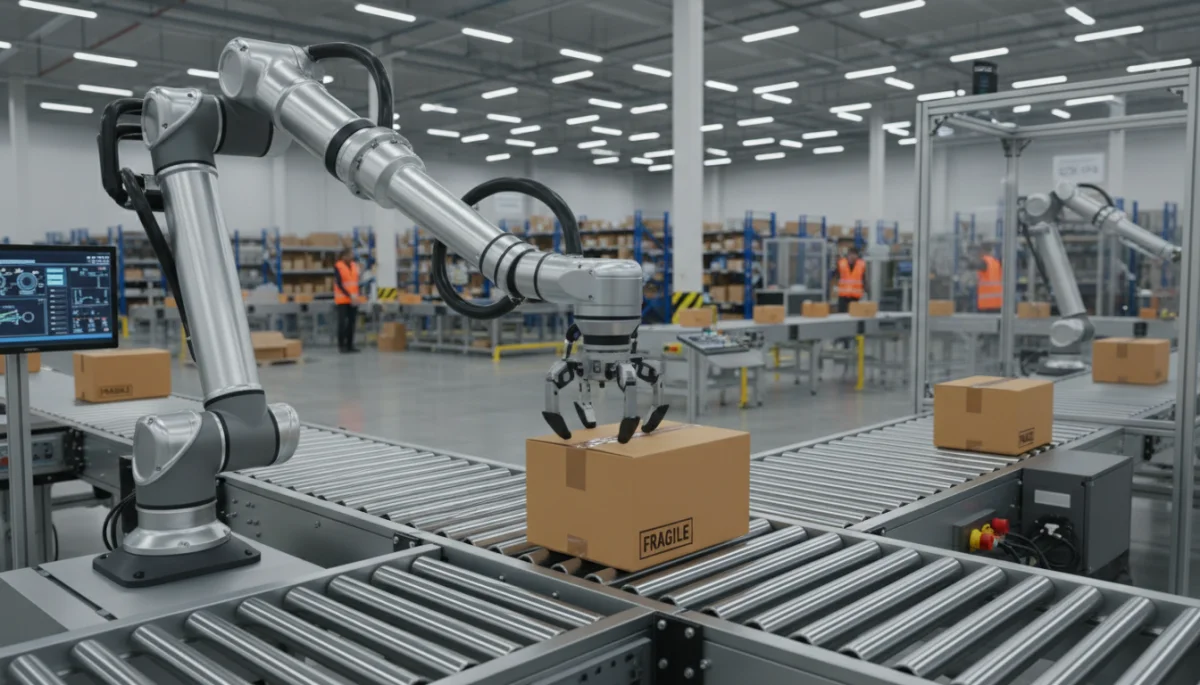
The deployment of robotic arms for picking and packing significantly reduces the physical strain on human workers, allowing them to focus on tasks that require higher cognitive input or direct customer interaction. This synergy between humans and robots is creating a more ergonomic and productive work environment, addressing labor shortages and enhancing overall job satisfaction.
Last-mile delivery innovations: drones and autonomous vehicles
The ‘last mile’ of delivery, often the most expensive and time-consuming segment of the supply chain, is another frontier where US robotics is making significant inroads. Drones and autonomous ground vehicles (AGVs, distinct from warehouse AMRs) are being tested and deployed to overcome urban congestion, reduce delivery times, and lower operational costs. These technologies promise to revolutionize how packages reach consumers’ doorsteps.
Autonomous delivery vehicles, ranging from small sidewalk robots to larger self-driving vans, are designed to navigate public spaces, delivering goods safely and efficiently. Drones, on the other hand, offer the potential for rapid air delivery, particularly in less densely populated areas or for urgent shipments. The regulatory landscape for these technologies is still evolving, but pilot programs are demonstrating their immense potential.
Challenges and opportunities in urban environments
Deploying autonomous delivery solutions in urban environments presents a unique set of challenges, from navigating crowded sidewalks and complex traffic patterns to ensuring public acceptance and safety. Companies are investing heavily in AI and sensor technologies to address these hurdles, developing vehicles that can perceive their surroundings with high accuracy and make intelligent decisions.
- Regulatory Hurdles: Navigating varying local and federal regulations for autonomous operation.
- Public Acceptance: Building trust and familiarity with autonomous delivery systems among consumers.
- Infrastructure Integration: Ensuring robots can seamlessly interact with existing urban infrastructure.
- Safety Protocols: Developing robust safety mechanisms to prevent accidents and protect pedestrians.
Despite these challenges, the opportunities presented by last-mile robotic delivery are too significant to ignore. The ability to offer faster, more flexible, and potentially greener delivery options could fundamentally change consumer expectations and redefine the retail landscape. As technology matures and regulations adapt, we can expect to see these solutions become increasingly common.
The environmental benefits are also noteworthy, as electric autonomous vehicles and drones can reduce carbon emissions associated with traditional delivery methods. This aligns with broader sustainability goals and appeals to environmentally conscious consumers, further bolstering the case for robotic last-mile solutions.
AI and machine learning: the brains behind the brawn
At the heart of every advanced robotic system in logistics lies sophisticated artificial intelligence and machine learning algorithms. These technologies provide the ‘brains’ that enable robots to perceive, reason, learn, and adapt, moving beyond mere programmed actions to intelligent, autonomous behavior. Without AI, modern robotics would be largely limited in its capabilities and unable to tackle the complexities of real-world logistics.
AI-driven analytics help optimize routes, manage inventory, predict demand, and even anticipate potential equipment failures, ensuring a more resilient and efficient supply chain. Machine learning allows robots to improve their performance over time, learning from new data and experiences, making them increasingly effective at their assigned tasks. This continuous learning is a game-changer for dynamic environments like warehouses and distribution centers.
Predictive analytics and operational optimization
The application of AI in logistics extends beyond individual robot control to overarching operational optimization. Predictive analytics, powered by machine learning, enables companies to forecast demand with greater accuracy, optimize inventory placement, and streamline order fulfillment processes. This proactive approach minimizes waste, reduces costs, and improves customer satisfaction.
- Demand Forecasting: AI algorithms analyze historical data and external factors to predict future demand.
- Inventory Management: Optimizing stock levels and locations to reduce holding costs and prevent stockouts.
- Route Optimization: Dynamic routing for delivery vehicles and AMRs to minimize travel time and fuel consumption.
- Maintenance Prediction: Identifying potential equipment failures before they occur, reducing downtime.
The synergy between AI and robotics creates a powerful ecosystem where machines are not just performing tasks but actively contributing to strategic decision-making. This intelligent automation represents the pinnacle of modern logistics, offering unprecedented levels of efficiency and adaptability. Companies leveraging these technologies are poised to gain a significant competitive advantage in the coming years.
Human-robot collaboration: the future workforce
Contrary to popular fears, the widespread adoption of robotics in logistics is not necessarily leading to mass job displacement but rather to a transformation of the human workforce. The future of logistics increasingly involves human-robot collaboration, where robots handle repetitive, physically demanding, or dangerous tasks, allowing human employees to focus on more complex problem-solving, supervision, and customer-facing roles.
This collaborative approach, often referred to as ‘cobots’ (collaborative robots), enhances overall productivity and job satisfaction. Humans provide the cognitive flexibility and adaptability that robots currently lack, while robots offer strength, precision, and endurance. This creates a symbiotic relationship that maximizes the strengths of both human and artificial intelligence, leading to more efficient and resilient operations.
Reskilling and upskilling for a robotic era
As the nature of work evolves, so too must the skills of the workforce. Companies are investing in reskilling and upskilling programs to prepare their employees for roles that involve working alongside robots. This includes training in robot operation, maintenance, data analysis, and process optimization. The goal is to empower workers to leverage robotic tools effectively, rather than be replaced by them.
- Robot Operation Training: Teaching employees how to interact with and control robotic systems.
- Maintenance and Troubleshooting: Equipping workers with the skills to maintain and repair robotic equipment.
- Data Interpretation: Training in analyzing data generated by robotic systems to improve efficiency.
- Process Improvement: Empowering employees to identify and implement optimizations in automated workflows.
This focus on human-robot collaboration and workforce development ensures that the benefits of automation are shared, creating new opportunities and fostering a more skilled and engaged labor force. The transition is not without its challenges, but the long-term vision is one of enhanced productivity and a more dynamic, fulfilling work environment for all involved.
The economic impact and future outlook
The integration of advanced robotics into US logistics carries profound economic implications, driving productivity gains, cost reductions, and fostering innovation across the supply chain. Companies adopting these technologies often report significant improvements in operational efficiency, leading to higher profitability and a stronger competitive position. This technological shift is not just about isolated improvements but about a systemic transformation of the entire logistics ecosystem.
Furthermore, the growth of the robotics industry itself creates new jobs in manufacturing, research and development, and specialized services. While some traditional roles may diminish, new, higher-skilled positions are emerging, contributing to economic growth and technological leadership. The US is at the forefront of this revolution, with considerable investment in both public and private sectors driving continuous innovation.
Investment and growth in robotics technology
Investment in robotics and automation technologies within the US logistics sector continues to surge. Venture capital, corporate R&D, and government initiatives are pouring resources into developing the next generation of intelligent machines. This sustained investment is critical for maintaining the pace of innovation and ensuring the US remains a leader in advanced manufacturing and logistics.
- Increased R&D Spending: Significant investment in developing more capable and versatile robotic systems.
- Startup Ecosystem: A vibrant ecosystem of startups focused on niche robotic solutions for logistics.
- Government Initiatives: Funding and policy support to accelerate the adoption of automation technologies.
- Academic Partnerships: Collaboration between industry and universities to drive fundamental research and workforce development.
The future outlook for US robotics in logistics is exceptionally bright. As technologies become more sophisticated, affordable, and easier to integrate, their adoption will only accelerate. We can anticipate even greater levels of autonomy, more seamless human-robot collaboration, and the emergence of entirely new logistics paradigms. The journey from concept to reality is ongoing, promising a future of unprecedented efficiency and innovation in the supply chain.
The economic benefits extend beyond individual companies, impacting national competitiveness and global trade. By enhancing the efficiency and resilience of its logistics infrastructure, the US can better respond to global market demands and challenges, securing its position as a leader in the global economy. This continuous evolution is vital for sustained prosperity and innovation.
| Key Aspect | Brief Description |
|---|---|
| AMR Revolution | Autonomous Mobile Robots provide flexible, scalable, and safe material handling in warehouses, optimizing paths dynamically. |
| Robotic Picking | Advanced robotic arms with AI vision systems precisely pick and pack diverse items, enhancing speed and accuracy. |
| Last-Mile Automation | Drones and autonomous vehicles are transforming final delivery, reducing costs and improving efficiency in urban and rural areas. |
| AI & Machine Learning | AI powers predictive analytics, route optimization, and continuous learning for robots, making logistics smarter. |
Frequently asked questions about robotics in US logistics
AMRs are intelligent robots that navigate dynamic environments without fixed paths, using AI and sensors. In logistics, they enhance flexibility, scalability, and safety in warehouses by automating material transport, improving throughput, and allowing human workers to focus on more complex tasks.
Robotic arms, equipped with advanced vision systems and versatile grippers, can precisely pick and pack a wide range of items. This technology significantly increases accuracy, reduces product damage, and speeds up fulfillment, optimizing packaging density and minimizing operational errors in e-commerce.
Drones and autonomous vehicles are revolutionizing last-mile delivery by offering faster, more efficient, and potentially more environmentally friendly options. They help overcome urban congestion and reduce delivery costs, addressing the challenges of getting packages to consumers’ doorsteps quickly and reliably, especially in challenging terrains.
AI provides the intelligence for robots to perceive, learn, and adapt, moving beyond programmed actions. It enables predictive analytics for demand forecasting, optimizes inventory management, streamlines routes, and anticipates maintenance needs, creating a more resilient and efficient supply chain by integrating intelligent decision-making.
Yes, human-robot collaboration is a key trend. Robots handle repetitive or physically demanding tasks, allowing humans to focus on complex problem-solving, supervision, and customer interaction. This symbiotic relationship enhances overall productivity, job satisfaction, and necessitates reskilling programs for a more dynamic workforce.
Conclusion
The profound transformation witnessed in US robotics for logistics, moving from nascent concepts to tangible operational realities, underscores a fundamental shift in how supply chains function. These recent updates highlight not just technological prowess but a strategic evolution towards enhanced efficiency, resilience, and adaptability. As automation continues to integrate deeply into every facet of logistics, from warehousing to last-mile delivery, the synergy between advanced robotics, AI, and human ingenuity promises a future where logistics operations are more streamlined, sustainable, and responsive to global demands. This ongoing revolution is not merely optimizing processes but redefining the very fabric of the US supply chain, ensuring a competitive edge in an increasingly interconnected world.
