Negotiating Vendor Contracts in 2026: 8 Tactics for Better Deals
Anúncios
Securing 10-15% better deals annually through vendor contract negotiation 2026 demands a proactive, data-driven approach, focusing on long-term value and strategic partnerships rather than short-term gains.
In today’s dynamic business landscape, mastering negotiating vendor contracts in 2026: 8 tactics to secure 10-15% better deals annually is not just an advantage, but a necessity. Companies are constantly seeking innovative ways to optimize expenditures and enhance operational efficiency. This guide will equip you with actionable strategies to achieve significant cost savings and forge stronger, more beneficial vendor relationships.
Anúncios
Understanding the 2026 Vendor Landscape
The year 2026 brings with it a unique set of challenges and opportunities in vendor management. Digital transformation continues to accelerate, influencing how services are delivered and consumed. Economic shifts, supply chain complexities, and evolving regulatory frameworks all play a crucial role in shaping vendor relationships.
Businesses must adapt their negotiation strategies to reflect these changes. A deeper understanding of market dynamics, emerging technologies, and the competitive environment is paramount. This foundational knowledge allows for more informed discussions and the identification of leverage points that can lead to more favorable terms.
Anúncios
The Impact of AI and Automation
Artificial intelligence and automation are increasingly integrated into vendor operations. This can lead to increased efficiency for vendors, potentially translating into cost savings that can be passed on to clients. Understanding how your vendors utilize these technologies can provide valuable insights for negotiation.
- Data-driven insights: AI tools can analyze vast datasets to predict market trends and optimize pricing.
- Automated processes: Streamlined operations reduce human error and accelerate service delivery.
- Enhanced transparency: Digital platforms offer clearer visibility into service level agreements and performance metrics.
Concluding this section, recognizing the evolving vendor landscape and the role of technology is the first step towards successful negotiations. It prepares you to approach discussions from a position of knowledge and foresight, ensuring that your strategies are aligned with current market realities.
Tactic 1: Comprehensive Data Analysis and Benchmarking
Effective contract negotiation begins long before any conversation with a vendor. It starts with thorough preparation, and at the heart of this preparation is comprehensive data analysis and benchmarking. You need to understand what you’re currently paying, what the market rates are, and what value you’re truly receiving.
Gathering historical spend data, analyzing usage patterns, and meticulously reviewing past contract terms provides a solid baseline. This internal data should then be compared against external benchmarks. Industry reports, competitor analysis, and professional procurement networks can offer invaluable insights into what constitutes a fair and competitive deal in 2026.
Leveraging Market Intelligence
Access to up-to-date market intelligence is a powerful negotiation tool. This includes understanding vendor-specific pricing structures, their profit margins, and any recent mergers or acquisitions that might impact their service offerings or pricing strategy. The more you know about the vendor and their position in the market, the stronger your negotiating stance.
- Industry reports: Provide average pricing and service level expectations.
- Competitor analysis: Reveals what similar companies are paying for comparable services.
- Peer networks: Offer anecdotal evidence and best practices from other businesses.
In essence, robust data analysis and benchmarking transform negotiation from a guessing game into a strategic, data-backed discussion. It allows you to present a compelling case for improved terms, ensuring you’re not just asking for a better deal, but demonstrating why you deserve one based on verifiable facts.
Tactic 2: Cultivating Strong Vendor Relationships
While negotiation often focuses on pricing and terms, the underlying relationship with your vendor is equally critical. A strong, trusting relationship can open doors to flexibility, cooperation, and mutually beneficial solutions that might not be available in a purely transactional interaction. Building rapport and demonstrating respect for your vendor’s business can significantly influence the outcome of negotiations.
This doesn’t mean sacrificing your company’s interests; rather, it means approaching negotiations as a partnership. Understanding their business objectives, challenges, and aspirations can help you frame your requests in a way that aligns with their goals, making them more receptive to your proposals. Regular communication, transparent feedback, and a fair approach to problem-solving contribute to a robust relationship.
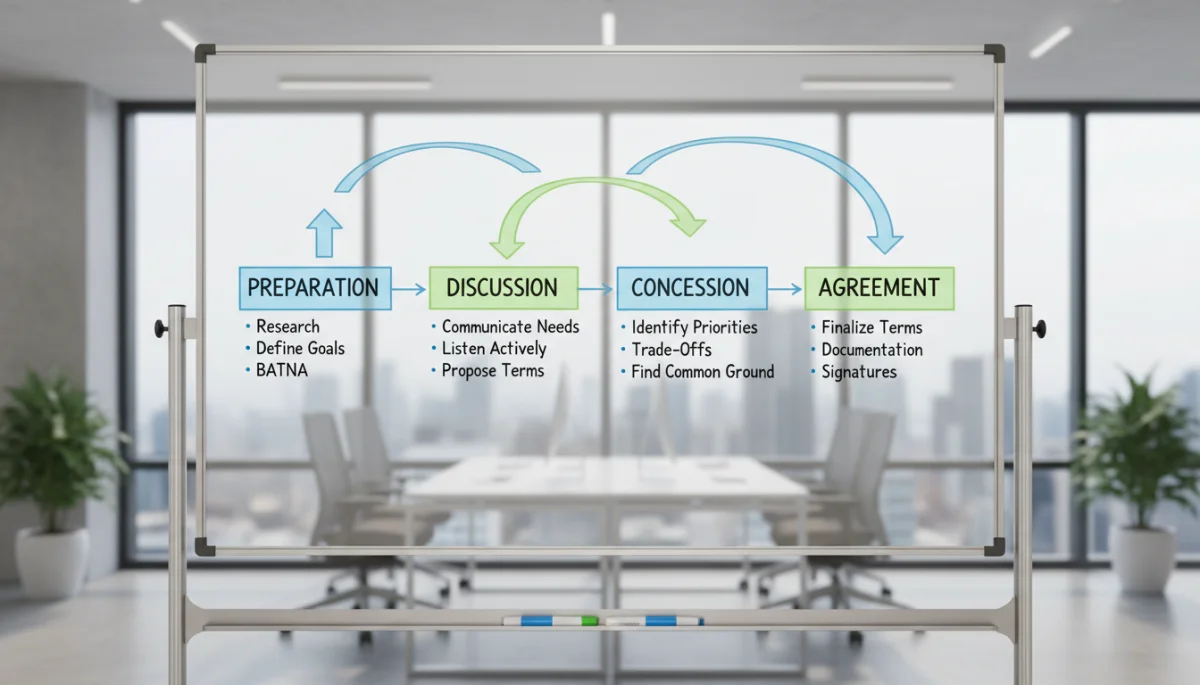
When vendors feel valued and understood, they are often more willing to offer concessions or explore innovative solutions. This can manifest in better pricing, improved service levels, or customized offerings that perfectly fit your needs.
Ultimately, fostering strong vendor relationships creates a collaborative environment where both parties are invested in long-term success. This leads to more sustainable and advantageous agreements, moving beyond a simple buyer-seller dynamic to a true strategic alliance.
Tactic 3: Clearly Defining Scope and Performance Metrics
Ambiguity in contract terms is a common pitfall that can lead to disputes and unexpected costs down the line. To secure 10-15% better deals, it’s imperative to clearly define the scope of services and establish precise performance metrics. This ensures that both parties have a shared understanding of expectations and deliverables.
Before entering negotiations, meticulously outline your requirements. What specific services do you need? What are the expected outcomes? How will performance be measured? These questions must be answered with clarity and precision. Incorporate Service Level Agreements (SLAs) that are specific, measurable, achievable, relevant, and time-bound (SMART).
Importance of SMART SLAs
SMART SLAs provide a framework for accountability and performance management. They should include:
- Key Performance Indicators (KPIs): Specific metrics that track the vendor’s performance.
- Reporting requirements: How and when performance data will be shared.
- Penalties for non-compliance: What happens if the vendor fails to meet agreed-upon standards.
- Incentives for exceeding expectations: Opportunities for vendors to earn bonuses for exceptional service.
By defining scope and performance metrics with such rigor, you not only protect your interests but also provide the vendor with clear targets. This reduces the likelihood of scope creep, ensures quality of service, and provides a clear basis for future negotiations or adjustments, ultimately leading to better value for your investment.
Tactic 4: Leveraging Competition and Alternative Options
Even if you have a preferred vendor, exploring alternative options and fostering a competitive environment is a powerful negotiation tactic. This doesn’t mean you have to switch vendors, but the mere existence of viable alternatives can significantly strengthen your bargaining position. Vendors are often more willing to offer concessions when they know their position is not guaranteed.
Conducting Requests for Proposals (RFPs) or Requests for Information (RFIs) from multiple vendors can provide valuable insights into market pricing and innovative solutions. This process allows you to compare offerings, identify best practices, and gather leverage for your negotiations. Even if your intention is to renew with an existing vendor, the data gathered from competitors can be instrumental.
The Power of a “Walk-Away” Option
The ability to credibly walk away from a deal is one of the most potent negotiation tools. This doesn’t mean being aggressive, but rather being prepared and having a clear understanding of your minimum acceptable terms. If you have done your due diligence and identified suitable alternatives, you can negotiate with confidence, knowing you have other options if the current vendor cannot meet your needs.
In conclusion, leveraging competition and having alternative options is not about playing games, but about ensuring you get the best possible value. It encourages vendors to put their best offer forward, knowing that they are operating in a competitive marketplace. This tactic is essential for consistently securing 10-15% better deals annually.
Tactic 5: Negotiating Beyond Price – Value-Added Services
While price is often the primary focus, effective negotiation extends far beyond the bottom line. Smart negotiators look for opportunities to secure value-added services, extended warranties, training, or preferential support that can significantly enhance the overall value of the contract without necessarily increasing the headline price. These elements can contribute substantially to your operational efficiency and long-term savings.
Consider what additional benefits would be most impactful for your organization. Could faster response times for support queries improve your uptime? Would additional training for your staff on a new software system enhance productivity? These are the kinds of questions that unlock hidden value in a vendor agreement. Frame these requests as win-win scenarios, highlighting how these additions can also benefit the vendor by strengthening the partnership.
Exploring Flexible Payment Terms
Beyond the core service, payment terms can also be a significant area for negotiation. Flexible payment schedules, early payment discounts, or extended payment windows can improve your cash flow and provide financial advantages. Discussing these options can lead to mutually agreeable financial arrangements.
- Extended warranty: Reduces future repair or replacement costs.
- Dedicated account manager: Ensures personalized support and faster issue resolution.
- Training and onboarding: Improves user adoption and maximizes software/service utility.
By expanding the negotiation scope beyond just price, you unlock a broader range of opportunities to enhance the value of your vendor contracts. This holistic approach ensures that you’re not just getting a cheaper deal, but a truly better, more comprehensive solution that supports your business objectives in 2026 and beyond.
Tactic 6: Incorporating Future-Proofing Clauses
In a rapidly evolving technological and economic landscape, ensuring your vendor contracts are future-proofed is a critical tactic for long-term value. This involves incorporating clauses that anticipate future changes, such as technology upgrades, regulatory shifts, or changes in your business needs. Without these provisions, you might find yourself locked into outdated terms or facing unexpected costs for necessary adjustments.
Future-proofing clauses can include provisions for technology refreshes, intellectual property rights, data security standards, and mechanisms for contract review and adjustment. It’s about building flexibility into the agreement, allowing it to adapt to unforeseen circumstances without requiring a complete renegotiation or incurring punitive fees.
Key Future-Proofing Elements
When drafting or reviewing contracts, pay close attention to:
- Technology refresh clauses: Ensures access to the latest versions of software or hardware.
- Exit strategies: Clearly outlines the process for transitioning away from a vendor if necessary.
- Data security and privacy updates: Guarantees compliance with evolving regulations like GDPR or CCPA.
- Scalability options: Allows for easy scaling up or down of services based on business growth or contraction.
Ultimately, incorporating future-proofing clauses protects your investment and ensures that your vendor relationships remain relevant and beneficial in the long run. It reduces risk and provides the agility needed to respond to market changes, securing enduring value from your contracts.
Tactic 7: Establishing a Clear Exit Strategy
While no one enters a contract expecting it to fail, having a clear and well-defined exit strategy is a non-negotiable tactic for strong vendor contract negotiation. An exit strategy outlines the process for terminating the agreement, transitioning services to a new provider, and managing data or intellectual property. It protects your business from potential disruptions and holds the vendor accountable for a smooth transition.
A robust exit strategy should cover aspects such as notice periods, data migration procedures, intellectual property ownership, and any costs associated with termination. Negotiating these terms upfront, when both parties are motivated to establish a good relationship, is far more advantageous than trying to define them during a contentious termination.
Components of an Effective Exit Strategy
Consider including the following in your exit clauses:
- Notice period: A reasonable timeframe for both parties to prepare for termination.
- Data portability: Guarantees your ability to retrieve all your data in a usable format.
- Transition support: Specifies the vendor’s responsibilities in assisting with the handover to a new provider.
- Cost transparency: Clearly defines any fees or penalties related to early termination or data transfer.
By establishing a clear exit strategy, you not only mitigate risks but also enhance your leverage during negotiations. It signals to the vendor that you are a serious and prepared client, encouraging them to offer competitive terms and maintain high service levels throughout the contract duration.
Tactic 8: Regular Performance Reviews and Renegotiation Cycles
Securing 10-15% better deals annually isn’t a one-time event; it’s an ongoing process that requires regular performance reviews and scheduled renegotiation cycles. The market changes, your business needs evolve, and vendor capabilities may shift. A proactive approach to contract management ensures that your agreements remain optimized and continue to deliver maximum value.
Establish a cadence for formal performance reviews with your vendors. These reviews should assess whether SLAs are being met, identify areas for improvement, and discuss any emerging needs or opportunities. This continuous dialogue fosters transparency and allows for timely adjustments to the contract terms.
The Annual Review Advantage
Scheduling annual or bi-annual renegotiation cycles, even for multi-year contracts, is a smart strategy. This provides an opportunity to:
- Adjust pricing: Based on market changes or increased volume.
- Update terms: To reflect new technologies or regulatory requirements.
- Incorporar novos serviços: As your business evolves and needs change.
- Address performance issues: If the vendor has not consistently met expectations.
Regular performance reviews and planned renegotiation cycles transform static contracts into dynamic agreements. This ensures your vendor relationships are continuously aligned with your strategic objectives, allowing you to consistently achieve and even exceed your goals for securing better deals annually.
| Key Tactic | Brief Description |
|---|---|
| Data Analysis | Thoroughly analyze spend data and benchmark against market rates for leverage. |
| Build Relationships | Foster trust and collaboration for mutually beneficial outcomes beyond just price. |
| Define Scope & Metrics | Clearly outline requirements and SMART SLAs to prevent ambiguity and ensure accountability. |
| Future-Proofing | Incorporate clauses to adapt to future tech, regulations, and business needs. |
Frequently Asked Questions About Vendor Contract Negotiation
Vendor contract negotiation in 2026 is critical due to evolving market dynamics, rapid technological advancements, and increasing economic pressures. Effective negotiation ensures businesses secure optimal terms, manage costs efficiently, and maintain competitive advantages, directly impacting profitability and operational stability.
Achieving 10-15% better deals annually requires a multi-faceted approach. This includes comprehensive data analysis, leveraging market intelligence, cultivating strong vendor relationships, defining clear performance metrics, exploring value-added services, and implementing regular review and renegotiation cycles with your suppliers.
Data analysis is foundational for successful negotiations. It provides a clear understanding of historical spending, identifies areas for cost optimization, and offers benchmarks against market rates. This data-driven approach empowers you with objective facts, strengthening your bargaining position and justifying requests for better terms.
While price is important, it shouldn’t be the sole focus. Prioritize overall value, considering factors like service quality, support, reliability, and value-added services. A slightly higher price for superior service can often lead to greater long-term savings and operational efficiency than simply opting for the cheapest option.
Vendor contracts should ideally undergo formal performance reviews at least annually, even for multi-year agreements. This allows for adjustments based on market changes, evolving business needs, and vendor performance. Proactive renegotiation cycles ensure continuous alignment and optimization of terms and pricing.
Conclusion
Mastering negotiating vendor contracts in 2026: 8 tactics to secure 10-15% better deals annually is an ongoing journey that demands strategic foresight, meticulous preparation, and a commitment to fostering strong, mutually beneficial relationships. By implementing the eight tactics discussed – from comprehensive data analysis and cultivating relationships to future-proofing clauses and regular reviews – businesses can significantly enhance their procurement outcomes. These strategies move beyond simple cost-cutting, focusing instead on securing long-term value, mitigating risks, and ensuring that vendor partnerships are consistently aligned with organizational goals. Embrace these tactics, and transform your vendor contracts into powerful levers for sustained business growth and profitability in the competitive landscape of 2026.
