Gratitude’s Role in Personal Growth: Boost Outlook 30% by 2026
Anúncios
Embracing gratitude daily is a powerful catalyst for personal growth, offering a proven path to significantly improve one’s outlook and overall well-being by fostering a more positive and resilient mindset.
Anúncios
In a world often focused on what’s lacking, shifting our perspective to appreciate what we have can be revolutionary. Exploring the role of gratitude in personal growth: 5 daily practices to improve your outlook by 30% in 2026 offers a profound pathway to not just momentary happiness, but sustained well-being and transformative self-improvement.
Understanding the Science Behind Gratitude and Well-being
The concept of gratitude might seem simple, yet its impact on our psychological and physical health is anything but. Scientific research has increasingly highlighted how a grateful disposition can fundamentally alter our brain chemistry, reduce stress, and foster stronger social connections. It’s not merely about saying ‘thank you’; it’s about cultivating an internal state of appreciation that influences every aspect of our lives.
Anúncios
When we practice gratitude, our brains release neurotransmitters like dopamine and serotonin, which are crucial for mood regulation and feelings of happiness. This isn’t just anecdotal; studies have shown that individuals who regularly express gratitude experience lower levels of depression and anxiety, and report higher overall life satisfaction. The act of acknowledging positive experiences, no matter how small, rewires our neural pathways to seek out more positivity, creating a virtuous cycle.
The Neurological Impact of Appreciation
Understanding how gratitude affects the brain provides a compelling reason to integrate it into daily life. It’s more than just a feeling; it’s a cognitive process with tangible benefits.
- Dopamine Release: Gratitude activates the brain’s reward system, increasing feelings of pleasure and motivation.
- Serotonin Boost: This neurotransmitter is vital for mood, sleep, and appetite, and its levels can be positively influenced by grateful thinking.
- Reduced Cortisol: The stress hormone cortisol decreases with regular gratitude practice, leading to lower stress levels and improved physical health.
- Enhanced Prefrontal Cortex Activity: This area of the brain is associated with decision-making, empathy, and social behavior, all of which are strengthened by gratitude.
Ultimately, the science confirms what many spiritual traditions have known for centuries: gratitude is a powerful tool for enhancing well-being. By consciously choosing to focus on the good, we are not just feeling better in the moment, but actively building a more resilient and positive mental framework for the future.
Practice 1: The Daily Gratitude Journal
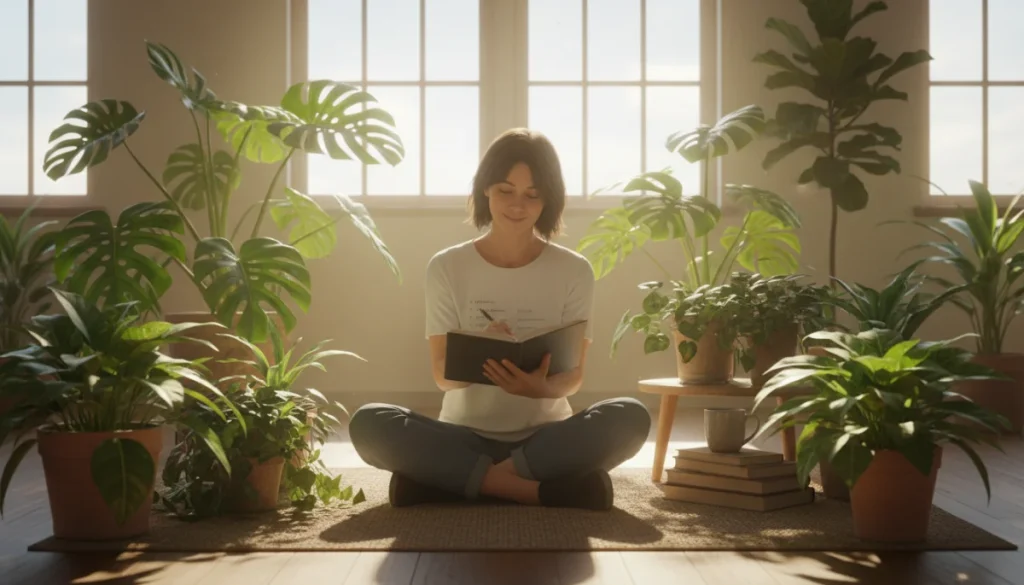
One of the most effective and widely recommended practices for cultivating gratitude is keeping a daily gratitude journal. This simple yet profound exercise involves dedicating a few minutes each day to write down things you are thankful for. The act of physically writing helps to solidify these thoughts and feelings, making them more impactful than simply thinking them.
A gratitude journal isn’t about listing grand achievements or life-altering events. It’s about recognizing the small, often overlooked blessings that permeate our daily existence. This could be anything from a warm cup of coffee in the morning, a kind word from a colleague, a beautiful sunset, or the comfort of a soft blanket. The key is consistency and specificity.
How to Start Your Gratitude Journal
Beginning a gratitude journal is straightforward, requiring only a notebook and a pen, or a digital equivalent. The format can be as flexible as your lifestyle demands, but a few guidelines can enhance its effectiveness.
- Consistency is Key: Try to write at the same time each day, perhaps in the morning to set a positive tone, or in the evening to reflect on the day’s blessings.
- Be Specific: Instead of writing ‘I am grateful for my family,’ try ‘I am grateful for my sister’s thoughtful call today.’ Specificity deepens the feeling of gratitude.
- Aim for 3-5 Items: Don’t feel pressured to list dozens of things. A few genuinely felt items are more powerful than a long list of superficial ones.
- Reflect, Don’t Just List: Take a moment to truly feel the gratitude for each item you write down. This emotional connection enhances the benefits.
By making the daily gratitude journal a non-negotiable part of your routine, you begin to train your mind to actively seek out and appreciate the positive aspects of life. This consistent practice will gradually shift your perspective, making you more attuned to abundance and less focused on scarcity, thereby significantly improving your outlook.
Practice 2: Expressing Gratitude Directly to Others
While internal reflection is vital, expressing gratitude directly to others amplifies its positive effects. This practice not only strengthens your own sense of appreciation but also enhances your relationships and creates a ripple effect of positivity. It moves gratitude from an abstract feeling to a tangible act that benefits both the giver and the receiver.
Direct expression can take many forms, from a simple verbal ‘thank you’ to a heartfelt letter. The important aspect is the sincerity and specificity of the appreciation. Telling someone exactly why you are grateful for them or their actions can be incredibly powerful, validating their efforts and reinforcing positive behaviors.
Methods for Direct Gratitude Expression
Integrating direct gratitude into your daily interactions doesn’t require grand gestures; often, the small, consistent acts are the most impactful.
- Verbal Thanks: Make eye contact and genuinely thank people for their help, kindness, or presence.
- Thank You Notes or Emails: A handwritten note or a thoughtful email can leave a lasting impression, especially when detailing specific reasons for your gratitude.
- Acts of Service: Sometimes, showing gratitude through actions, like offering help in return, can speak volumes.
- Public Recognition: Acknowledging someone’s contributions in a public setting, if appropriate, can boost their morale and foster a positive environment.
Regularly expressing gratitude to those around you not only makes them feel valued but also reinforces your own grateful mindset. It’s a practice that builds stronger communities, healthier relationships, and a more positive personal environment, contributing significantly to your overall personal growth and improved outlook.
Practice 3: Gratitude Meditations and Mindfulness
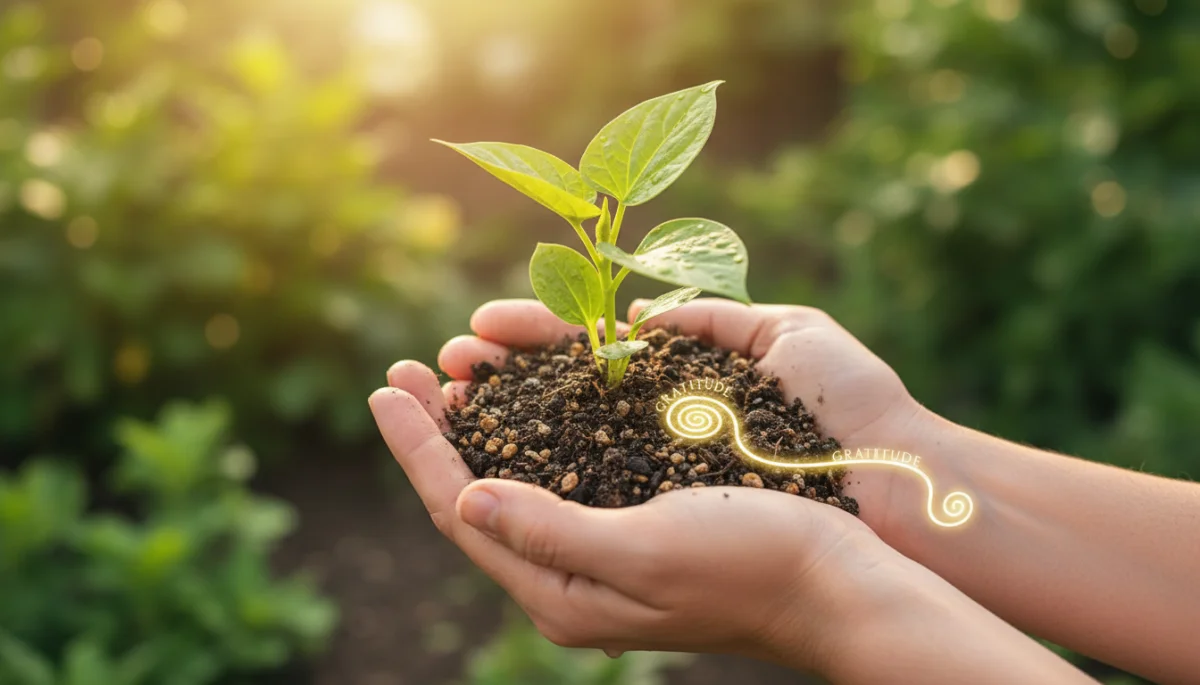
Beyond active journaling and direct expression, incorporating gratitude into your mindfulness and meditation practices can deepen its impact. Gratitude meditation involves focusing your attention on feelings of appreciation, allowing them to permeate your entire being. This practice combines the benefits of mindfulness—being present and aware—with the powerful emotional uplift of gratitude.
Mindfulness helps us slow down and notice the present moment, which is often where the seeds of gratitude reside. When we are mindful, we are better able to perceive the small wonders and blessings that might otherwise pass us by. Combining this awareness with a deliberate focus on gratitude creates a potent cocktail for mental and emotional well-being.
Integrating Gratitude into Your Mindfulness Routine
There are several ways to weave gratitude into your existing or new meditation and mindfulness practices, making it a natural part of your daily mental regimen.
- Guided Gratitude Meditations: Many apps and online resources offer guided meditations specifically designed to cultivate gratitude.
- Body Scan with Gratitude: As you scan your body, express gratitude for each part and its function, appreciating your health and physical capabilities.
- Mindful Walking: During a walk, consciously notice and appreciate elements of nature, your surroundings, or even the feeling of your feet on the ground.
- Pre-Sleep Reflection: Before falling asleep, spend a few minutes silently listing things you are grateful for from the day, allowing these positive thoughts to carry you into rest.
By regularly engaging in gratitude meditations and mindful practices, you train your mind to default to a state of appreciation. This consistent mental exercise can significantly reduce negative rumination and foster a more optimistic and content perspective, which is crucial for achieving a 30% improvement in your outlook by 2026.
Practice 4: The Gratitude Jar or Jar of Positivity
The gratitude jar is a delightful and tangible way to accumulate and visualize your blessings over time. This practice involves writing down one thing you are grateful for each day on a small slip of paper and placing it into a jar. Over weeks and months, the jar fills up, becoming a physical representation of the abundance in your life.
The true power of the gratitude jar comes alive during moments of challenge or low spirits. When you’re feeling down, you can reach into the jar, pull out a few slips, and remind yourself of the myriad positive experiences you’ve had. It serves as a powerful antidote to negativity, offering a concrete reminder that even amidst difficulties, there is always something to be grateful for.
Setting Up and Utilizing Your Gratitude Jar
Creating a gratitude jar is incredibly simple, making it an accessible practice for anyone looking to boost their positive outlook.
- Choose Your Jar: Select any jar or container that resonates with you. Decorating it can make the process even more personal and enjoyable.
- Daily Contribution: Each day, or whenever you feel moved, write down something you’re grateful for on a small piece of paper.
- Be Specific and Sincere: As with journaling, specificity makes the gratitude more potent.
- Review Periodically: At the end of the year, or during challenging times, open the jar and read through your accumulated blessings. This reflective act is incredibly uplifting.
The gratitude jar transforms abstract feelings into a visible collection of positive memories and experiences. This visual and tactile reminder of life’s goodness can be a powerful tool for shifting your perspective, fostering resilience, and ensuring a consistently improved outlook as you progress towards 2026.
Practice 5: Performing Acts of Kindness and Service
While gratitude often focuses on receiving, another powerful way to cultivate appreciation is through giving. Performing acts of kindness and engaging in service not only benefits others but also significantly enhances our own sense of gratitude and well-being. When we give, we often become more aware of our own resources and abilities to make a positive impact, fostering a deeper sense of appreciation for what we have.
This practice shifts the focus from an inward reflection to an outward action, creating a reciprocal loop of positivity. Helping others, whether through a small gesture or a larger commitment, allows us to see the world from a different perspective, often highlighting the privileges and blessings in our own lives that we might otherwise take for granted. It reinforces the idea that we are interconnected and capable of making a difference.
Ways to Integrate Kindness and Service
Acts of kindness and service don’t need to be monumental; even small, consistent gestures can have a profound impact on both the giver and the receiver.
- Volunteer Your Time: Dedicate a few hours a week or month to a cause you care about.
- Offer Help to a Neighbor: Simple gestures like helping with groceries or yard work can strengthen community bonds.
- Random Acts of Kindness: Pay for someone’s coffee, leave a kind note, or offer a genuine compliment.
- Mentor Someone: Share your knowledge and experience to help someone else grow and develop.
By actively engaging in acts of kindness and service, you not only contribute positively to the world around you but also cultivate a profound sense of gratitude within yourself. This outward expression of care often leads to a deeper appreciation for your own life and circumstances, significantly contributing to a more positive outlook and robust personal growth.
Sustaining Gratitude for Long-Term Personal Growth
Implementing these five daily practices is an excellent start, but sustaining gratitude for long-term personal growth requires consistency, adaptability, and a genuine commitment. Gratitude isn’t a destination; it’s a continuous journey that evolves with us. The goal isn’t to be grateful every single moment, but to develop a default mindset that leans towards appreciation, even amidst life’s inevitable challenges.
The key to making gratitude a lasting part of your life lies in integrating it seamlessly into your daily routine, making it as natural as brushing your teeth or drinking water. This means finding practices that resonate most with you and being flexible enough to adjust them as your life circumstances change. Remember, even on tough days, there is always something, however small, to be grateful for.
Strategies for Maintaining a Grateful Outlook
To ensure gratitude remains a cornerstone of your personal growth journey, consider these strategies for long-term integration and maintenance.
- Vary Your Practices: Don’t stick rigidly to one method. Rotate between journaling, direct expression, meditation, the gratitude jar, and acts of kindness to keep the practice fresh and engaging.
- Set Reminders: Use phone alarms or visual cues to prompt your gratitude practice throughout the day.
- Share Your Journey: Discussing your gratitude experiences with friends or family can reinforce the practice and inspire others.
- Be Patient and Kind to Yourself: There will be days when gratitude feels challenging. Acknowledge these feelings without judgment and gently redirect your focus to what you can appreciate.
By consistently nurturing a grateful mindset, you are not just improving your outlook; you are building a foundation for profound personal growth. This sustained practice will equip you with resilience, optimism, and a deeper connection to the positive aspects of your life, making the goal of improving your outlook by 30% by 2026 not just achievable, but truly transformative.
| Key Practice | Brief Description |
|---|---|
| Gratitude Journal | Daily writing of 3-5 specific things you are grateful for to solidify positive thoughts. |
| Direct Expression | Verbally or in writing, sincerely thank others for their kindness and actions. |
| Gratitude Meditations | Focus attention on feelings of appreciation to deepen mindfulness and well-being. |
| Acts of Kindness | Engage in service or kind gestures to appreciate your own resources and impact. |
Frequently Asked Questions About Gratitude and Growth
While individual experiences vary, many people report feeling a positive shift in their outlook within a few weeks of consistent gratitude practice. Significant improvements, like a 30% boost, typically manifest over several months as the brain rewires to a more positive default setting.
Yes, absolutely. Gratitude practices are particularly effective for combating chronic negativity. By consciously shifting focus to positive aspects, even small ones, you gradually dismantle cynical thought patterns and build a more optimistic and resilient mental framework over time.
There’s no single ‘wrong’ way, but sincerity is key. If practices feel forced or superficial, their effectiveness might be limited. The best approach is to find methods that genuinely resonate with you and to be specific about what you’re grateful for, allowing yourself to truly feel the emotion.
Consistency comes from integration. Try linking gratitude practices to existing daily routines, like morning coffee or before bed. Setting reminders, varying your methods, and sharing your experiences with others can also help solidify gratitude as a lasting habit.
Beyond an improved outlook, gratitude fosters stronger relationships, reduces stress, enhances empathy, boosts physical health, and increases overall life satisfaction. It promotes resilience and a greater sense of purpose, contributing holistically to personal well-being and growth.
Embracing a Grateful Future
The journey towards an improved outlook and significant personal growth is profoundly influenced by the conscious cultivation of gratitude. By integrating these five daily practices—journaling, direct expression, meditation, the gratitude jar, and acts of kindness—into your life, you are not merely adopting fleeting habits, but embedding a transformative mindset. The year 2026 is not just a calendar date; it represents an opportunity to witness a substantial shift in your perspective, resilience, and overall happiness. Embrace gratitude, and watch as your world, and your outlook, expand.