
2026 Outlook: Post-Quantum Cryptography Adoption in the US
The 2026 outlook for post-quantum cryptography adoption in the US anticipates significant progress driven by government mandates and industry collaboration, aiming to secure critical infrastructure against emerging quantum threats.

Sustainable Tech Investments: US Opportunities in 18 Months
For US investors, the next 18 months present critical windows into sustainable tech investments, offering significant growth potential across renewable energy, circular economy solutions, and innovative green transportation technologies.

IoT Cybersecurity: 5 Pillars for US Infrastructure
Robust IoT cybersecurity infrastructure is paramount for safeguarding US critical systems, encompassing device security, network protection, data integrity, incident response, and regulatory compliance to counter sophisticated cyber threats.
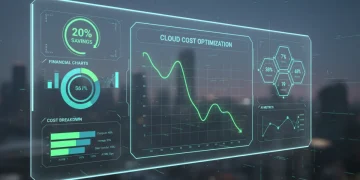
Save 20% on Cloud Costs: FinOps for AI Workloads in 2026
Implementing FinOps strategies for AI workloads in 2026 is crucial for organizations aiming to achieve significant financial savings, potentially reducing cloud costs by 20% through optimized resource utilization, transparent spending, and enhanced financial accountability.

Liquid Cooling: Data Center Readiness by 2027
Data centers must prepare for the imminent shift to advanced liquid cooling technologies by 2027 to manage increasing heat loads from high-density computing, ensuring efficiency and sustainability in the face of evolving AI and HPC demands.

3-Month Horizon: Navigating New FCC Regulations for 6G Spectrum
The next three months are critical for understanding new FCC regulations concerning 6G spectrum in the US, which will profoundly impact the future of wireless technology and its applications.

Smart Cities in Action: 5G & IoT Transforming US Urban Living
5G and IoT are fundamentally reshaping urban environments in the US, enabling advanced connectivity and data-driven solutions for unprecedented efficiency and improved quality of life in smart cities.

Maximizing ROI: Blockchain in Supply Chains by 2026
This article outlines a 6-step framework for integrating blockchain into supply chains by 2026, emphasizing the critical financial impact and strategies for maximizing return on investment.

Edge AI Deployment: Overcoming Latency for US Businesses
This guide delves into the intricate world of edge AI deployment, offering US businesses actionable strategies to conquer latency challenges and harness the power of localized, real-time artificial intelligence for enhanced operational efficiency.

Quantum Computing’s Commercial Viability by 2028: A Data-Driven Analysis
This article provides a data-driven analysis of quantum computing's commercial viability by 2028, examining its current state, potential applications, and the challenges it faces in achieving widespread market adoption.